Longtime TDA staffer Cristiano Werneck has just finished scouting the route for the 2023 Ruta Maya Cycling Adventure. Here is his report his trip, including the new section from Belize City to Tulum.
When TDA Founder Henry Gold and I, back in 2012, poured a bit of hard liquor at the Mayan ruins in Lamanai, an archeological site in Belize, as a form of an offering, we told each other to make a wish. It was the end of the inaugural Ruta Maya, then called the Doomsday Ride.
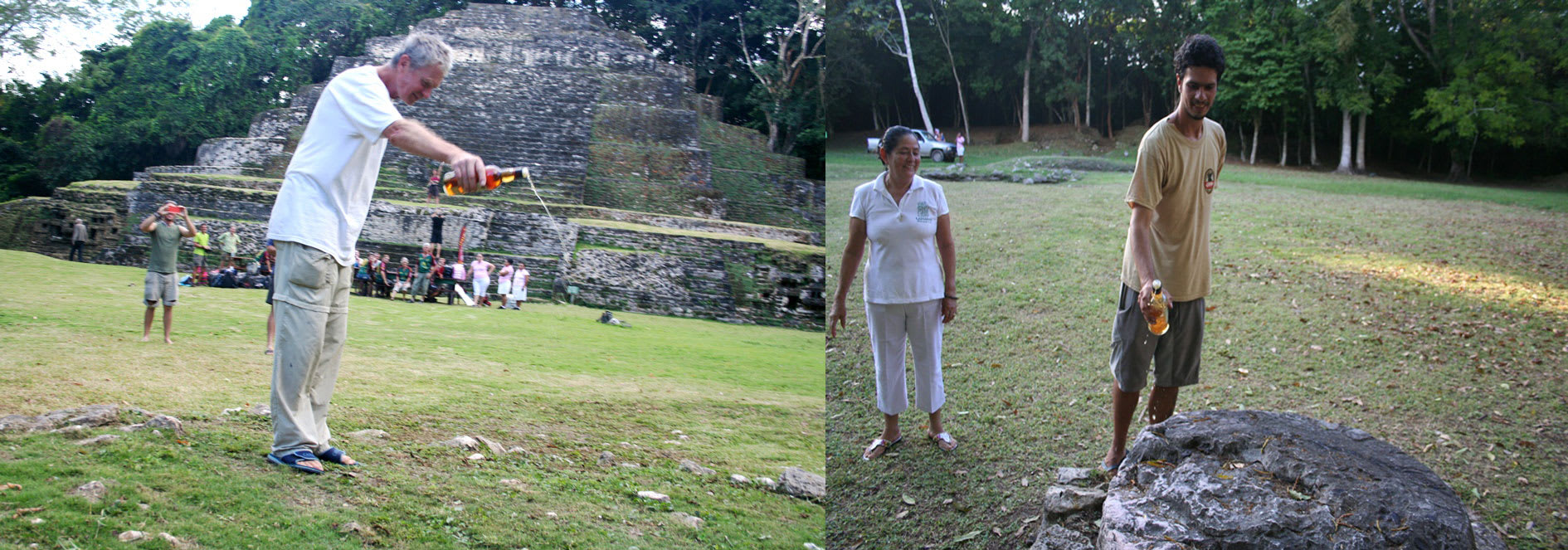
Henry & Cristiano attempt to appease the Mayan Gods
Michael Coo, from the Toronto office, had read somewhere that the Mayan Calendar predicted that the world was going to end on December 12, 2012. He found an old file in his computer with a route he had come up with a couple of years earlier and showed it to us. There was less than a year for us to finish designing it, scout it and sell it, and so the concept of a “pop-up tour” was created. It was actually not hard to sell the tour, since the world was going to end anyway, so why would anyone need a job or even any money after that December?!
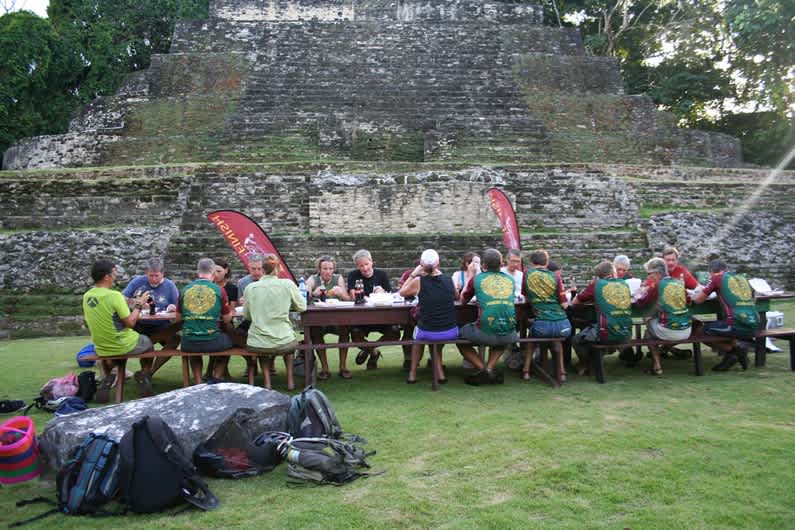
Doomsday dinner at Lamanai
Well, we finished that tour on the day the world was supposed to end. We even convinced the park rangers to allow us to have dinner inside the archaeological site, after closing time. The world was going to end in just a few hours, so why wouldn’t they? We dragged a few very heavy wooden tables and benches to just a few metres from the temples and we brought the food and the drinks in. We ate, we drank (possibly a bit too much) and we waited and waited… As we were waiting for the end of the world, Henry and I offered some booze to the Mayan Gods. I am not very sure about what Henry’s wishes were, but thinking about where TDA Global Cycling is right now and what we are still doing, it is not very hard to guess. Our wishes seem to have been fulfilled.
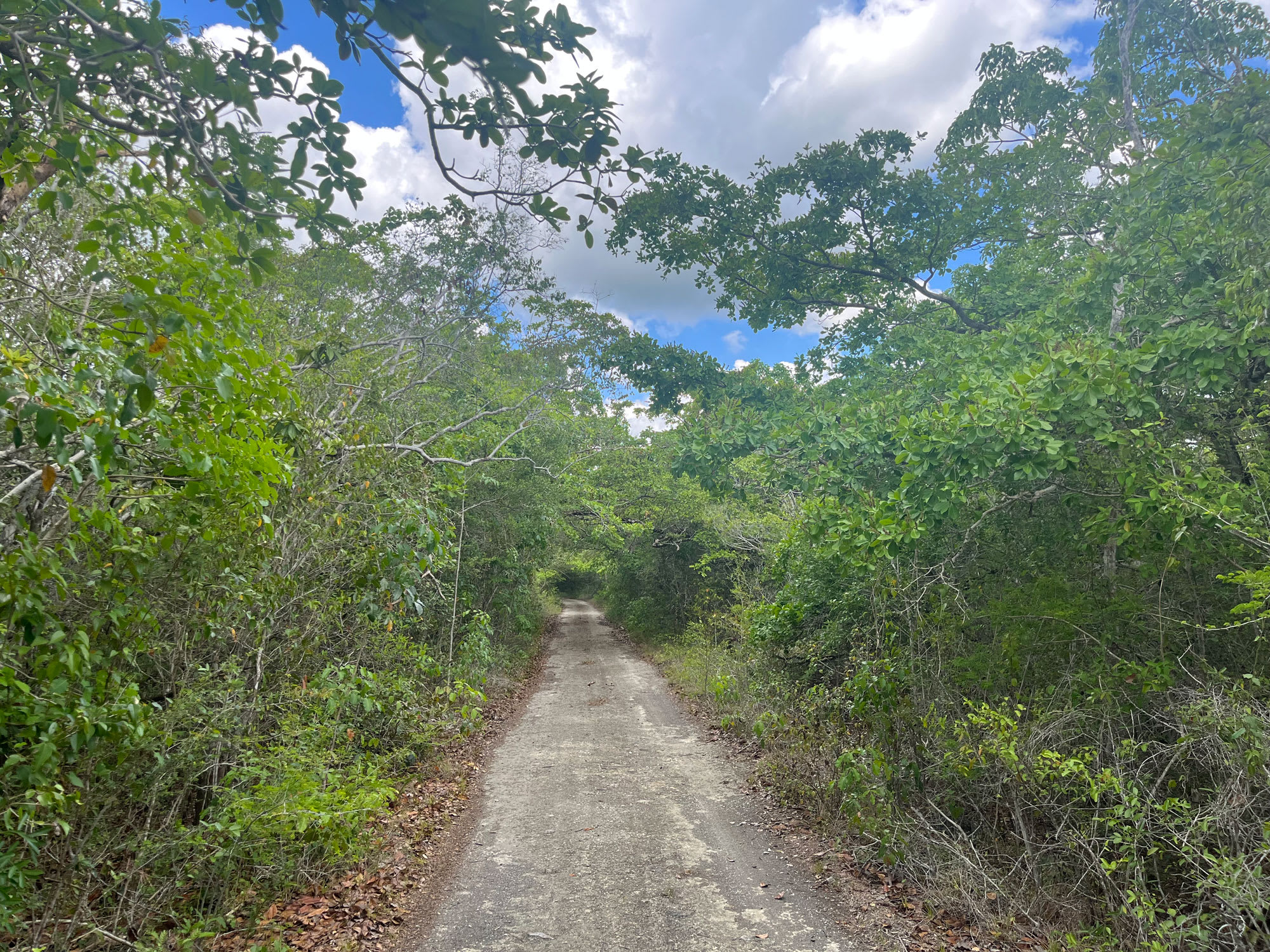
The road to Tulum
Eleven years and one pandemic later, I have just wrapped the scouting trip for the ‘new’ Ruta Maya. The revamped tour has taken shape and developed a face and a personality. The new stretch from Belize City to Tulum, Mexico, worked out very well. I am happy we decided to add this cherry on top of that cake. Not only it is a lot easier to fly out of Cancun than Belize City, but the extension also added some great highlights and a lot more Mayan history to the tour – the Lamanai archeological site, Corozal, Bacalar, the Sian Ka’an Reserve and the beautiful and very Mayan, Tulum.
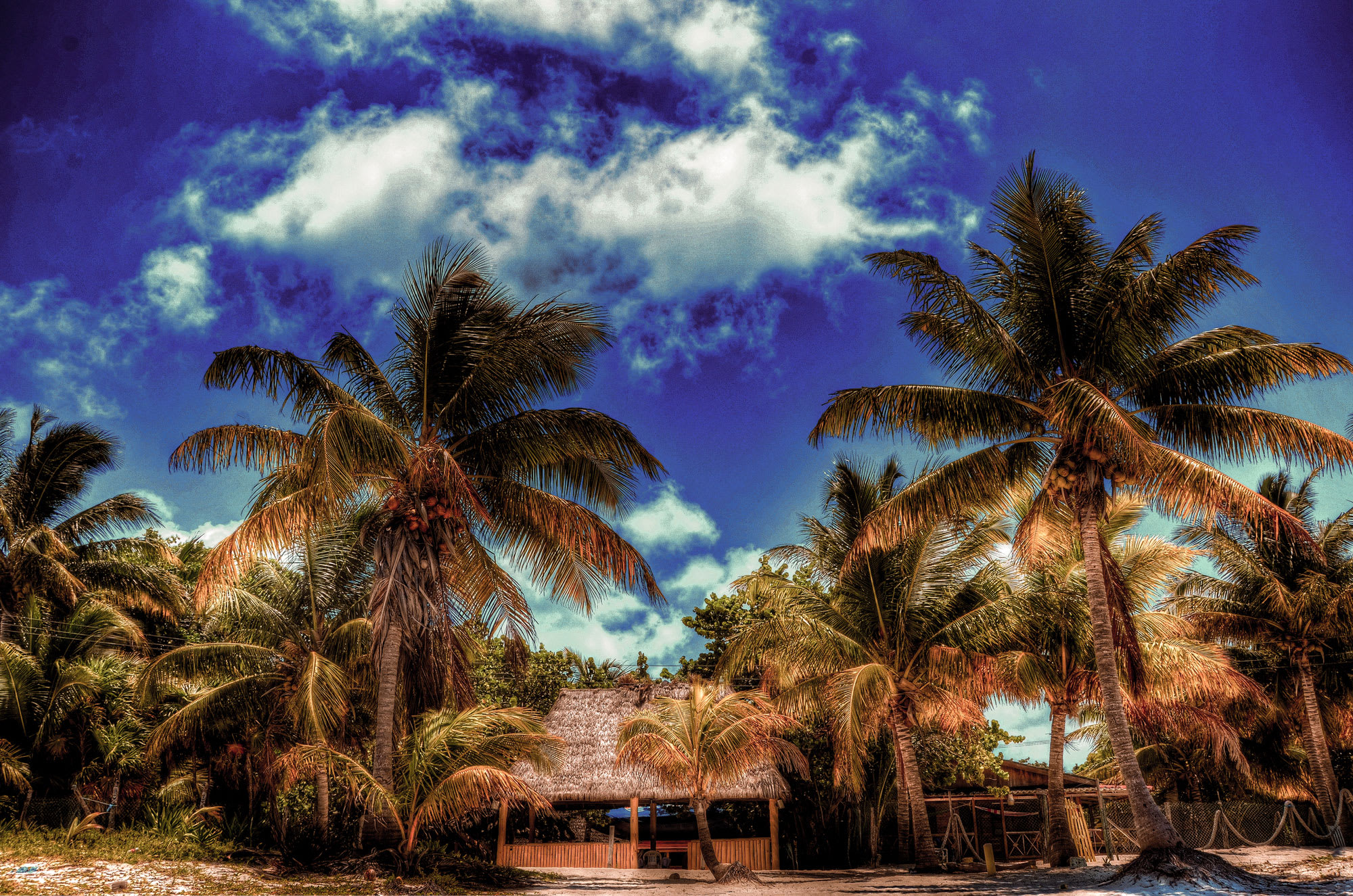
Reserva de la Biósfera Sian Ka’an
The old route (from San Jose to Belize City) is still there, and although we did make a few changes to the route, it was clear that we did a good job scouting it originally in 2012 and then again in 2015. We made a point to try to drive as many possible route options as we could but in the end our original route is just pretty damn good. We did make a few changes on the first stages from San Jose (Costa Rica) to Granada (Nicaragua). Other than day one, which is very challenging with 1,700 metres of climbing, the first week of the tour is actually designed to help slowly and gradually break in the cyclists for what is to come.
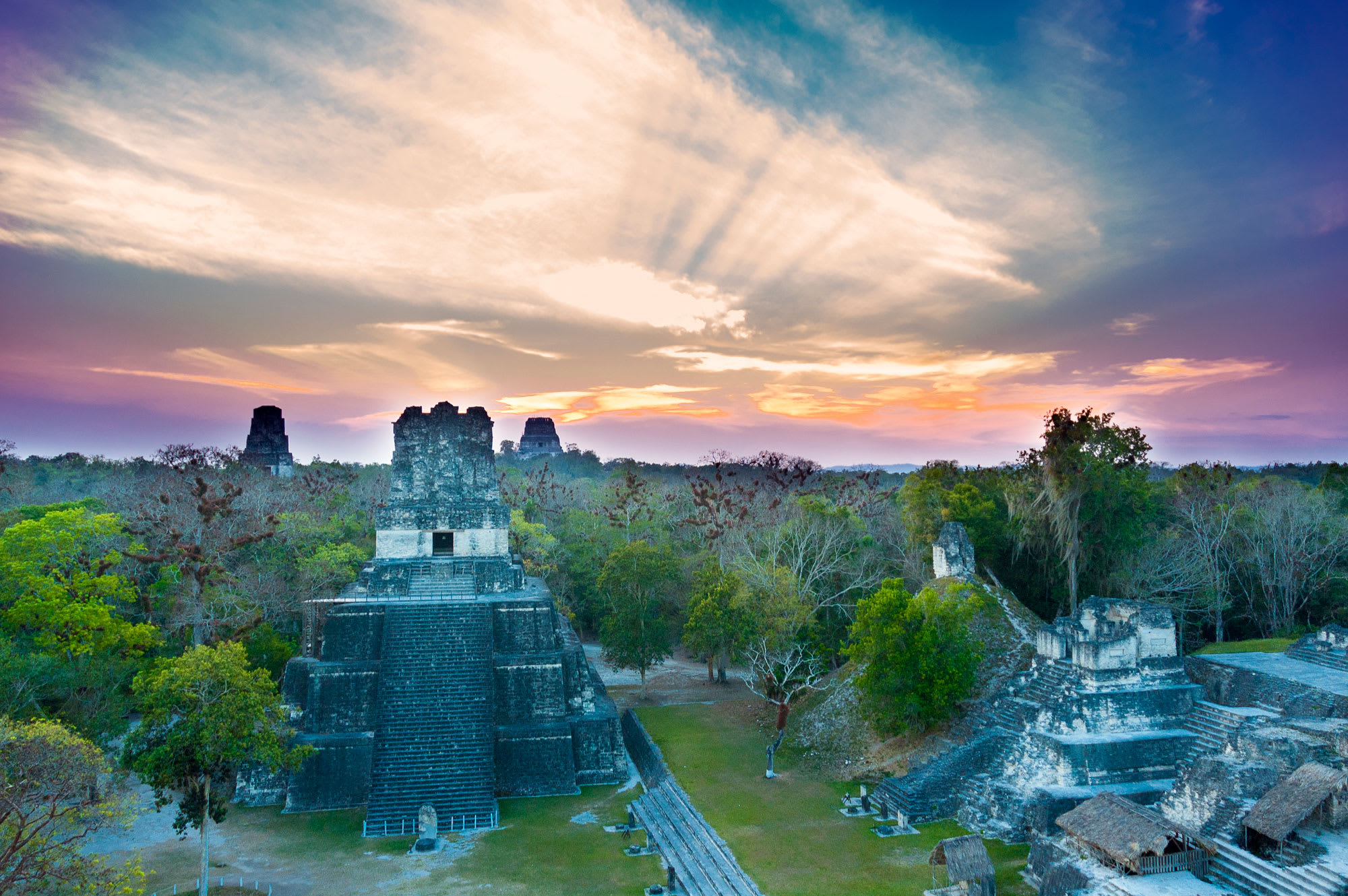
Tikal
One thing we did change drastically were the accommodations. Out of the 28 hotels from the former tour, we have upgraded 16 of them. Imagine yourself staying in a jungle lodge at Tikal National Park, just a few steps from the entrance of this fabled archeological site. That was just one of the changes we made. So, now you know that the 2023 Ruta Maya is going to be a great adventure, but is it a great tour for you?
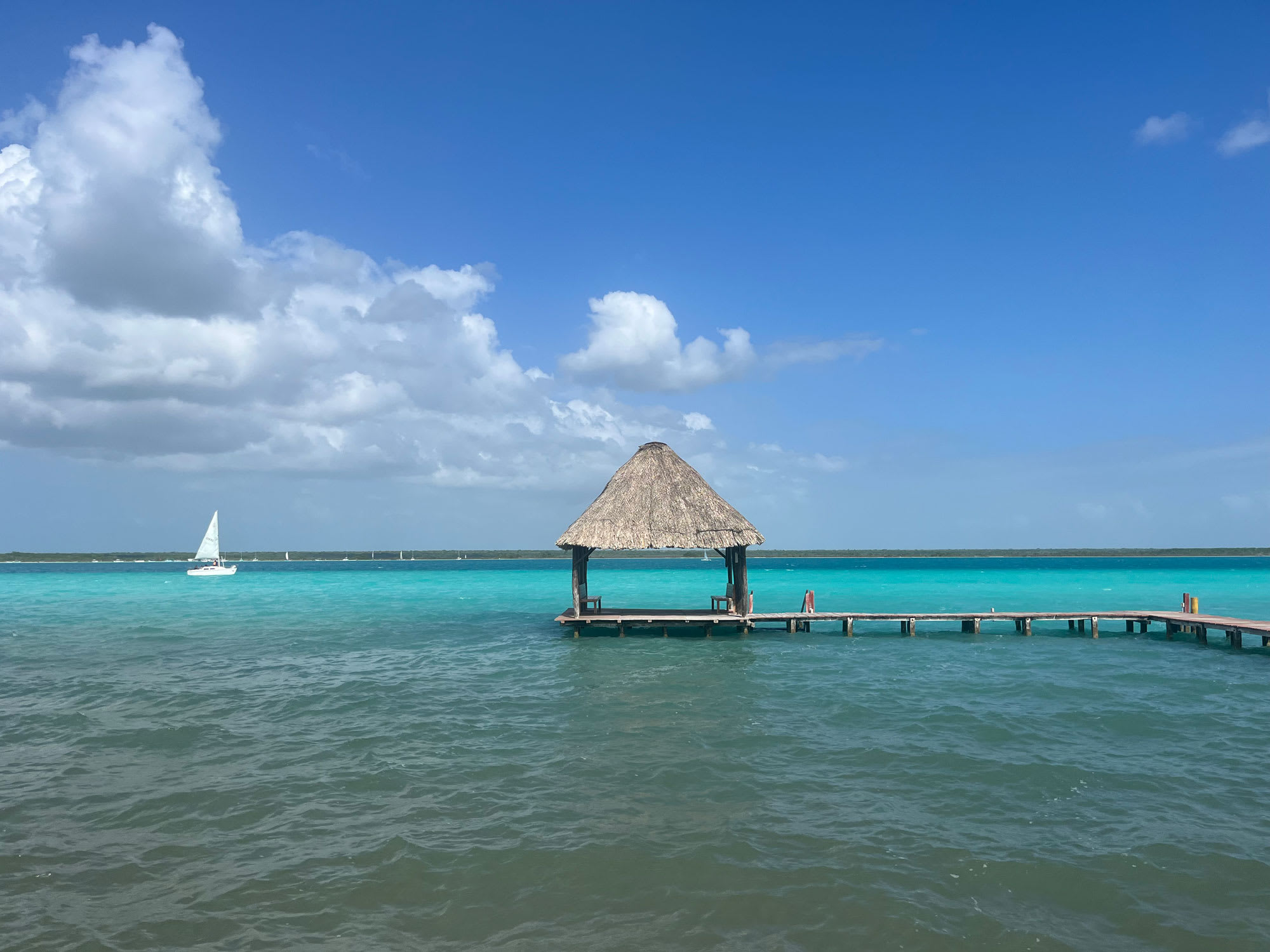
Well, stay tuned for more detailed info popping up here soon, but for now I can guarantee you that if you like history, colonial towns, beaches, mountains, volcanoes, a great mix of roads including some rough dirt roads, tortillas, beans and margaritas, there is a great chance this is the right tour for you. If you like climbing hills, waste no time and join us. If you have a curiosity about Mayan archeology or maybe you have been dreaming about diving the Blue Hole in Belize or the cenotes in Mexico, then you should seriously consider registering to hold your spot. There are only so many hotel rooms in some small villages in Nicaragua or Honduras.
RELATED
TOUR
]]>
Every year, the staff at TDA Global Cycling tries to gather somewhere on the globe for about a week to review, discuss, plan and organize the company’s past and future – to sit down to go over marketing, staffing, vehicles, finances etc. For 2020, we choose the Azores, a group of islands in the mid-Atlantic belonging to Portugal. Strangely, for such a well-travelled group of individuals, none of us had ever been there! We were all looking forward to it and studying our strategies. Opinions can be very strong so it is a good idea to get yourself ready to defend ideas and to be convincing.
As the scheduled meetings approached, so did the news about the COVID-19, and, as you can imagine, COVID-19 ended up taking over the first few days of our meetings (and the rest of it too, I guess!). It didn’t seem to make any sense to be talking about things like marketing and vehicles as our minds and hearts were obviously somewhere else. All we could think about was how to deal with the possible cancellations, refunds, evacuations and safety outcomes of such a pandemic.
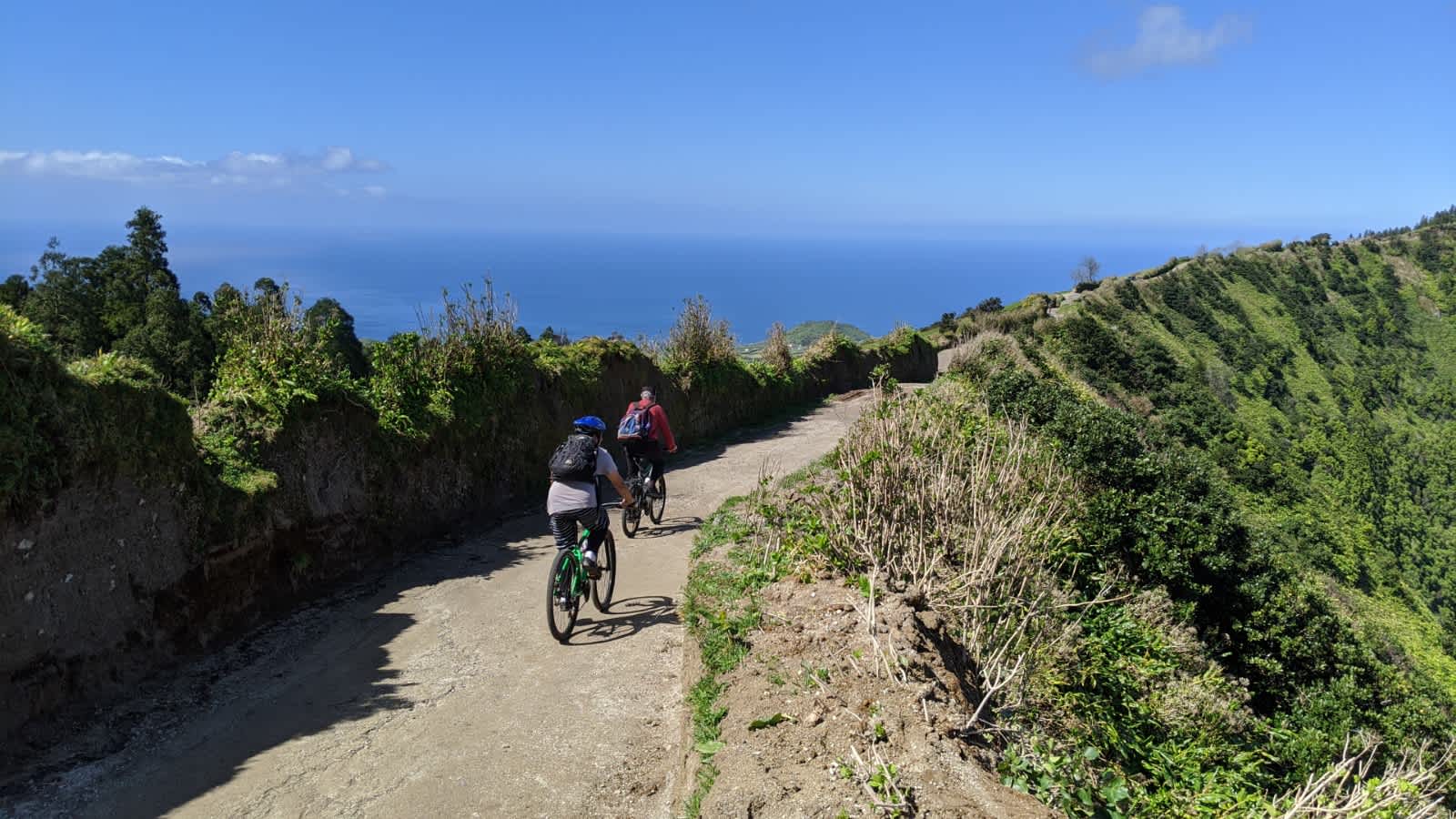
On the third day, after 2 long days of meetings, we decided to try to switch our mindset a bit and rented 6 bicycles to go on a morning ride. Micah, from the TDA Toronto office, created a route on Ride With GPS, warning about a strenuous 10 km climb. As many of you know, maps, elevation graphs and rider briefings are easily underestimated, and, in reality, the climbs were much longer and steeper than we had anticipated. We all felt like you, our riders, do on one of those days on a tour that end up being harder than people expected it to be.
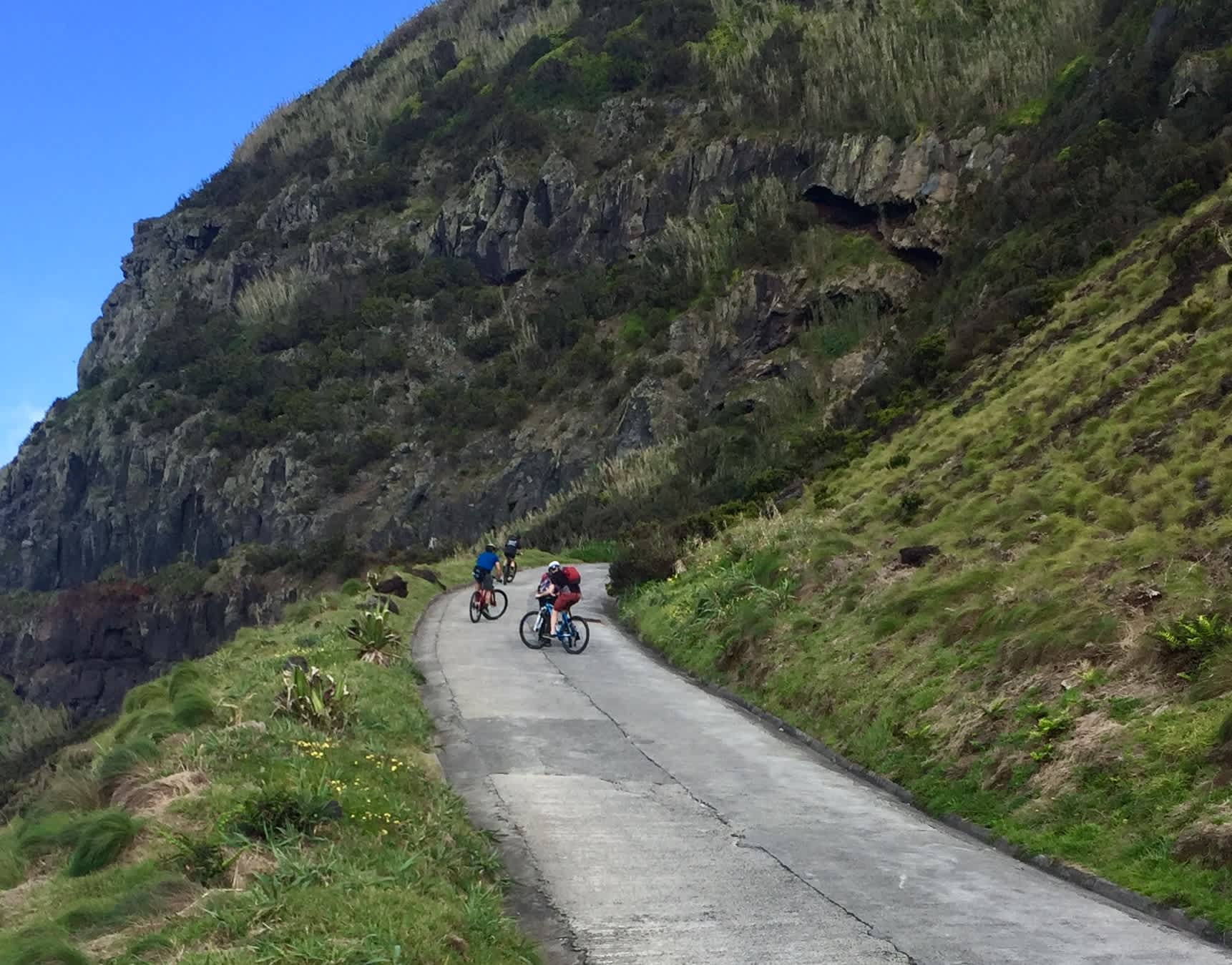
As we started climbing up from the ocean shore, I realized that Micah, who was already being cursed by all of us, was zigzagging up the climb, using an old technique that makes a climb longer but less steep. I decided to follow his example as it seemed to be the smartest thing to do on these old and heavy MTBs we had rented. Knowing that Micah has an All-Mountain bicycle back in Toronto, I joked that he was using techniques learned from riding on a full suspension MTB, but he corrected me saying that he got into the habit of climbing like that because of the single speed bike he uses for his commute in Toronto.
With the virus still monopolizing my thoughts, I believed I saw a metaphor in his ‘zigzagging trick.’ This was the way that TDA would have to get creative to deal with what was coming over the next few months. I said this out loud, something like “so this is what we do when the going gets tough, hey.” Micah’s answer came as a slap in the face and well represented the actual approach our little company was going to be using to deal with this crisis from that moment on. He said, “Yes, you just pedal harder.”
]]>TDA staffer and 2019 North American Epic Tour Leader Cristiano Werneck recently returned from his trip to Canada’s far north where he was scouting the new route from Tuktoyaktuk to Whitehorse, including the brand new (opened November 2017) gravel road from Tuktoyaktuk to Inuvik. He sent this report:
I looked around me in disbelief. I had just arrived in remote Northern Canada and all my equipment was giving up on me. The GoPro had just died, followed quickly by my GPS. On top of that, my laptop’s charger was also not functional, which meant that I couldn’t download all the videos and photos I had been taking from my phone. I was using my phone for navigation (not many turns up here but I did need distances and elevation data for the North American Epic Tour Manual) and voice notes. Now even its mount had broken.
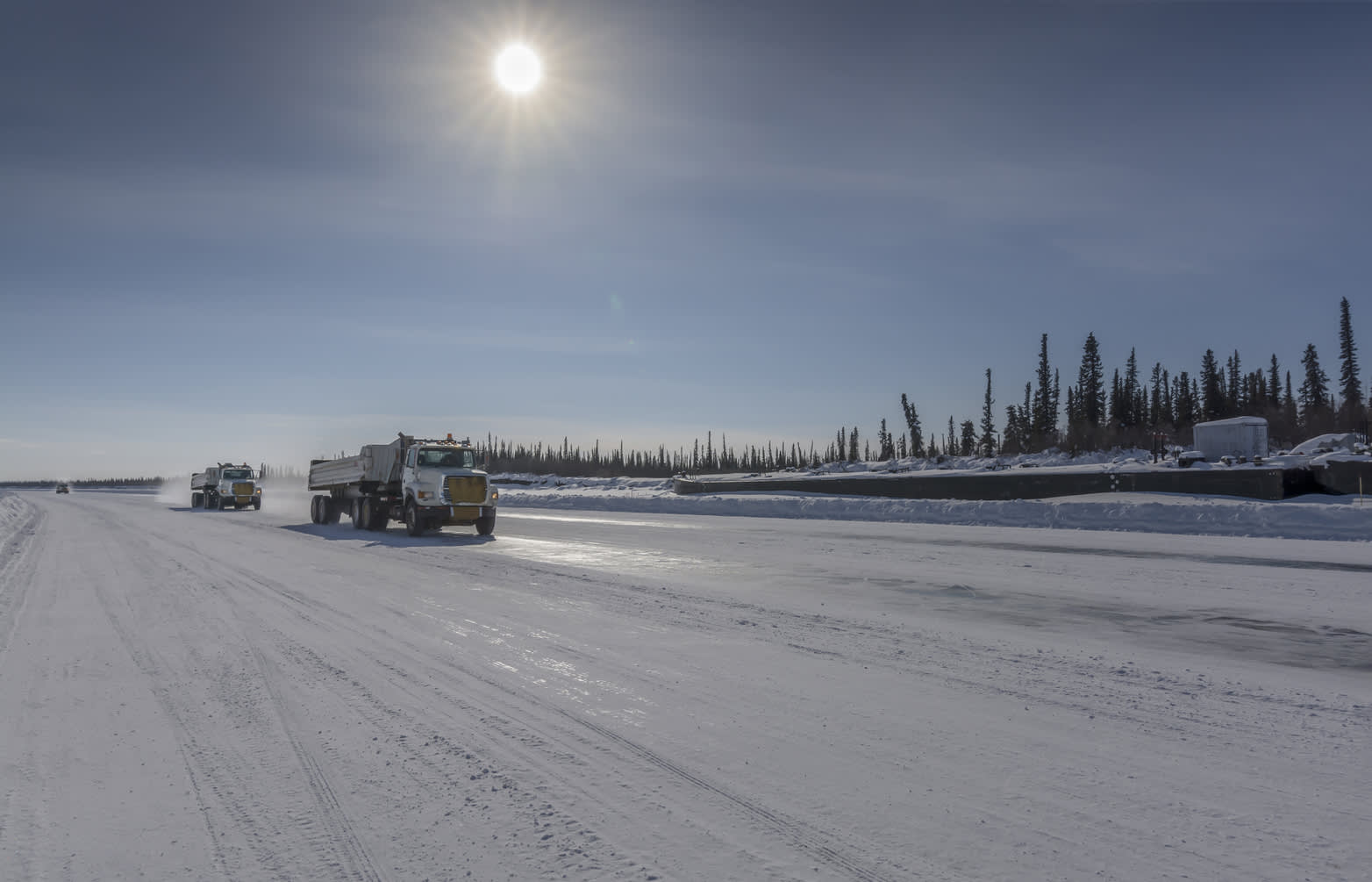
I looked around again and took a deep breath. After all, I was very lucky just to be where I was. The Canadian North is a special place that not many people have the privilege to visit. In fact, until a year ago the only way to drive a car where I was currently going was to wait for everything to freeze over in the winter. All this had now changed with the completion of a brand new gravel road between Inuvik and Tuktoyaktuk. I decided I wasn’t going to allow technology to ruin my experience. It was a long weekend in a very remote area of the country so I was going to have to make a plan. I kept reminding myself that I once met a drunk old man in a bar who told me that technology is great but “they haven’t finished inventing it yet”. With a shy smile on my face I kept going. I thought to myself, as long as I can keep my phone’s cord working, I can get by. That cord, however, had been giving me warnings for quite some time now. I had an old spare phone as a back-up but I needed internet access to set it up.
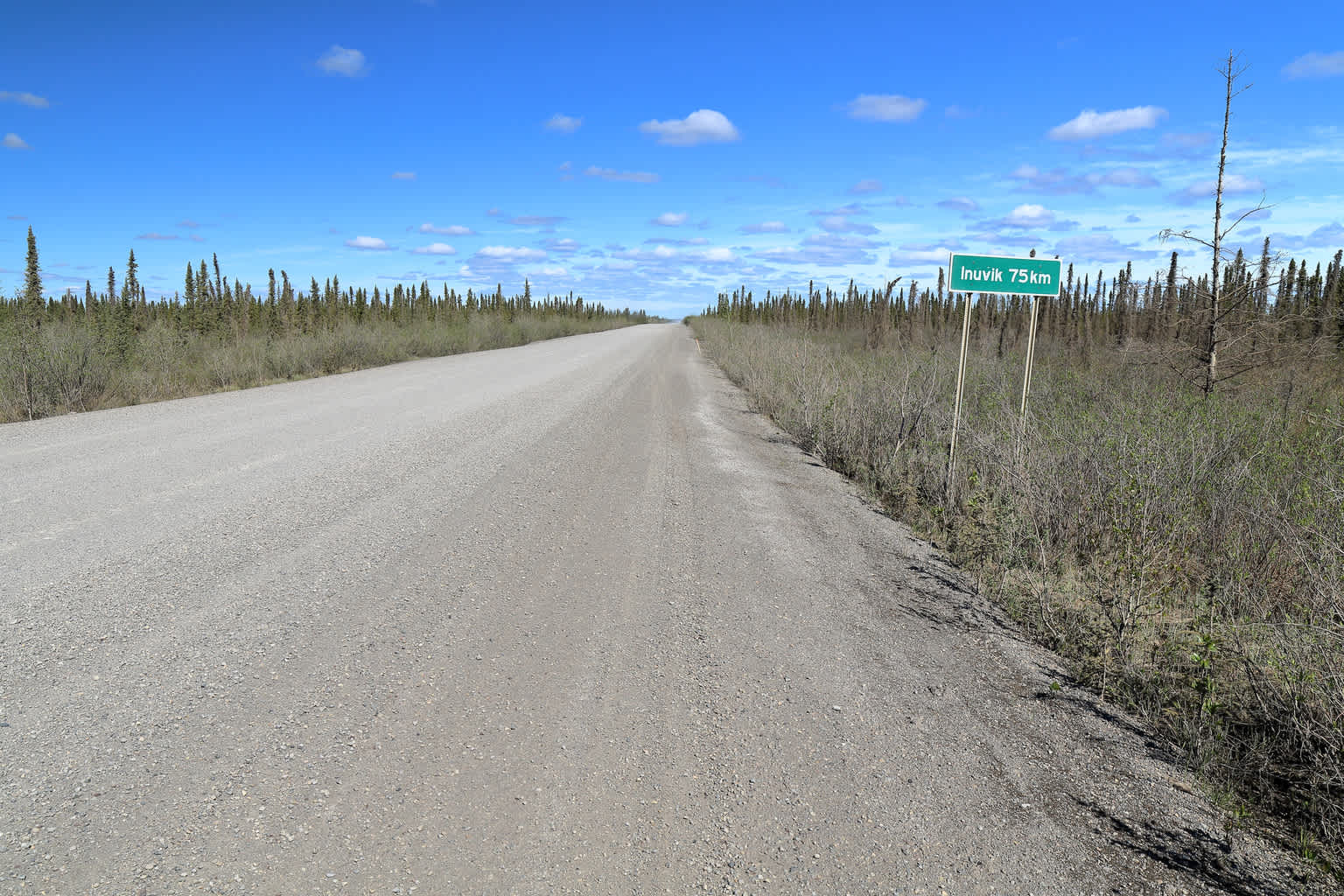
I decided to spend the night in Inuvik and see what I could come up with. After a couple of nights of sleeping in the car in the middle of nowhere it would be nice to take a shower and have Wi-Fi. After having seen and measured the route on my drive north from Whitehorse, I needed to connect with the office and make some changes to the tour’s schedule. Having just landed in Canada a couple of days earlier after scouting another part of the same tour through Central America, I realized that I didn’t have a SIM card either (remember it was a long weekend).

After checking in (and paying an arm and a leg for a room), I had a shower and sat down in front of my phone to try to connect to the rest of the world – only to get a “no internet” message. It was almost midnight but because the sun never sets during the summer when you are that close to the North Pole, it seemed like it was 2 pm and I had a lot of energy to do some work. “Sorry, our internet has stopped working but we are doing everything we can so that you will have internet tomorrow morning. Just don’t wake up very early” the nice manager from the Barbados advised me. All of a sudden, I simply didn’t even have the energy to argue and I just went to bed to try resting a bit. That, at least, I knew I could do without the internet, cameras, GPS, a laptop and a phone mount.
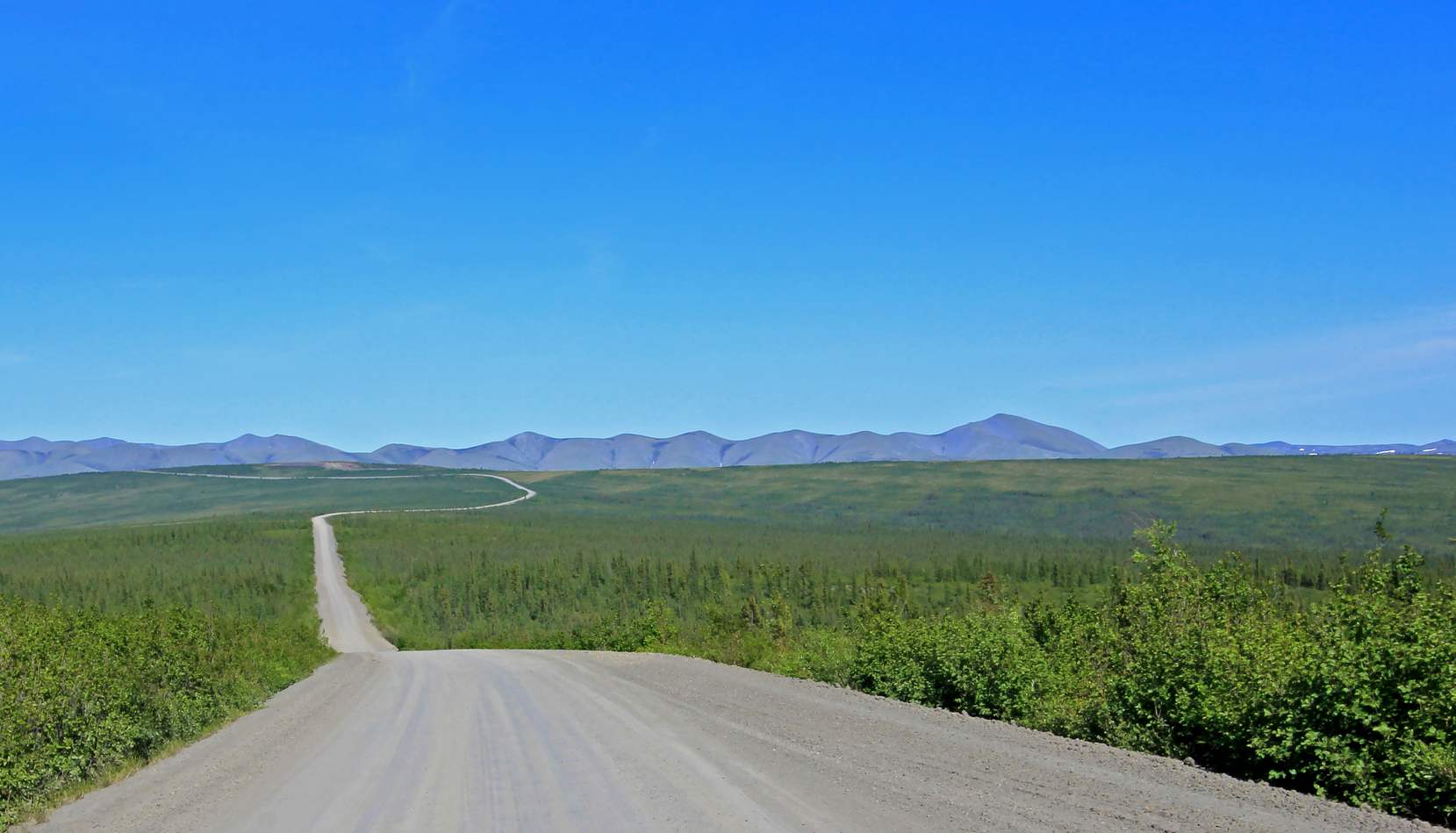
The following day I got up before the internet and since there was no breakfast at the hotel either, I headed directly to the Visitor Centre. I didn’t want to talk to Google anymore. I had decided to try talking to real people like in the old days instead and see how that worked out for me. I was welcomed warmly by their lovely staff. They not only answered all my questions but also gave me a nice guide book with kilometre by kilometre information. I could not really ask for more. Then I was introduced to something amazing called the “Dempster Highway Post Service”. As there is not much in terms of shopping and supplies along the route, cyclists and hikers (and motorcyclists) can drop packages in one of 3 locations to be picked up in a few days in another of those 3 locations. So, the day before, a cyclist who was just starting his ride south had dropped a big box of supplies there to be picked up in Eagle Plains almost 400 km south and I was going to be his courier.
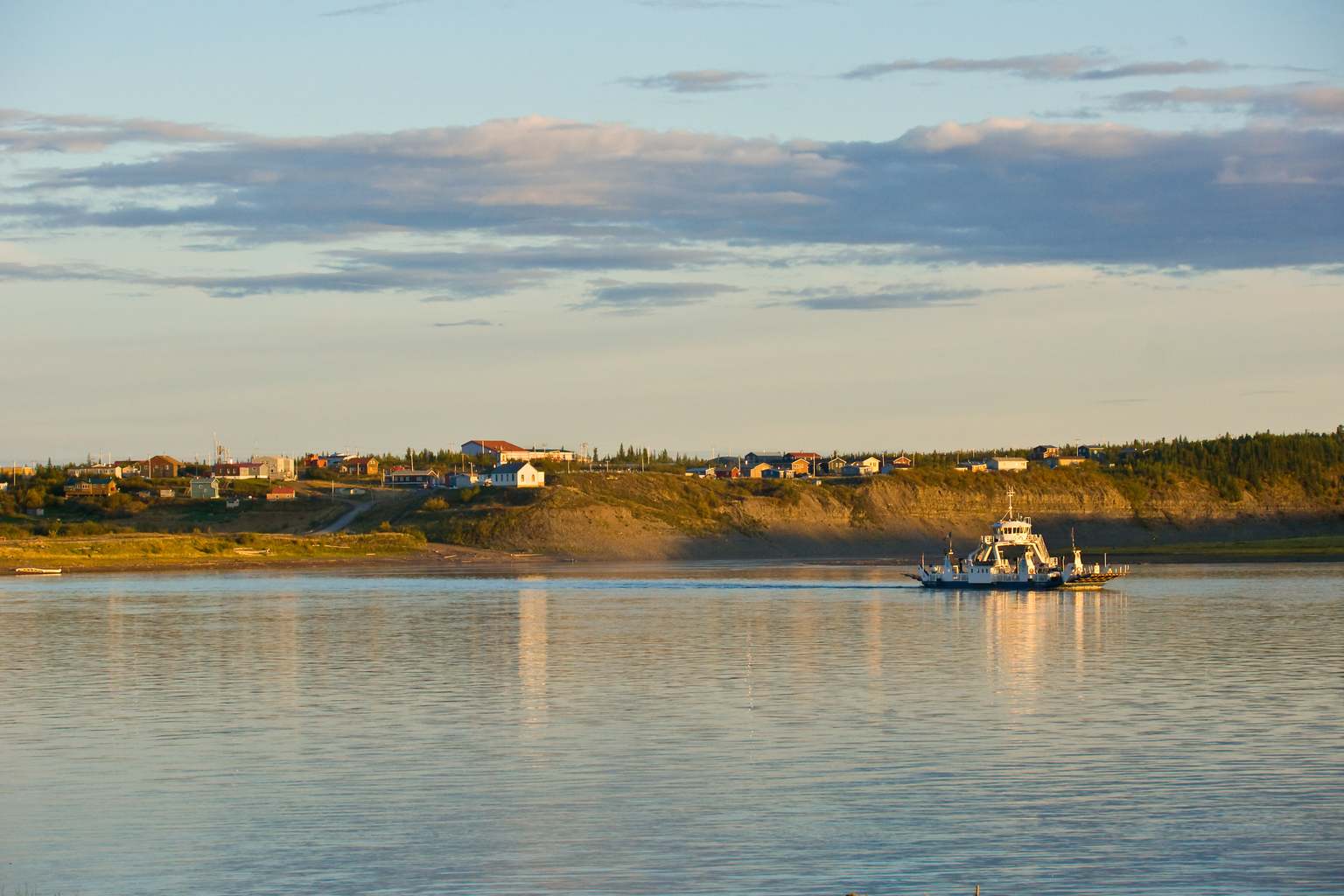
I sat in the car in their parking lot and browsed through my phone, deleting anything that wasn’t 100% necessary to achieve my mission. I (still) had a ‘lemon’ and I was certainly thirsty for some ‘lemonade’. Not even 2 flat tires nor a compromised credit card (both waiting patiently for me in the middle of nowhere) were going to stop me now. So as I devoured the guide book during any break I took, I learned some very interesting facts:
1. Inuvik is currently Canada’s largest city above the Arctic Circle
2. The Mackenzie River, whose Delta you will be paralleling as you ride south, is the longest river in Canada. It flows 4,200 km from northern BC all the way up to the Beaufort Sea, draining one fifth of Canada’s land area.
3. As the flow of the Mackenzie River provides an appropriate soil and climate, Canada’s boreal forest tree line stretches all the way up to the 69th northern latitude which comes to a surprise to many people.
4. The landscape north of the Richardson Mountain (in the NWT) is surrounded by the Laurantide Ice Sheet, with ice hundreds or thousands of metres thick.
5. The Yukon has many legends such as The Mad Trapper & The Tragic Lost Patrol
6. The Dempster Highway will take you through 10 of Canada’s 217 eco-regions. It leads you across a portion of Eastern Beringia (the vast refuge that escaped continental glaciations during the last ice age) and introduces you to the winter habitat of the Porcupine Caribou herd.
7. Building roads over permafrost is not easy!
8. The alpine tundra environment has probably changed, aside from the construction of the Dempster Highway, very little over the last 100,000 years or more. According to the Bering Land Bridge Theory, what you see now is the view the first people would have had as they roamed eastward from Asia, across the Bering land bridge, and into what is now the interior of Alaska and northwestern Yukon.
9. The Dempster Highway will take you through the lands of Han, Gwich’in and Inuvialuit people
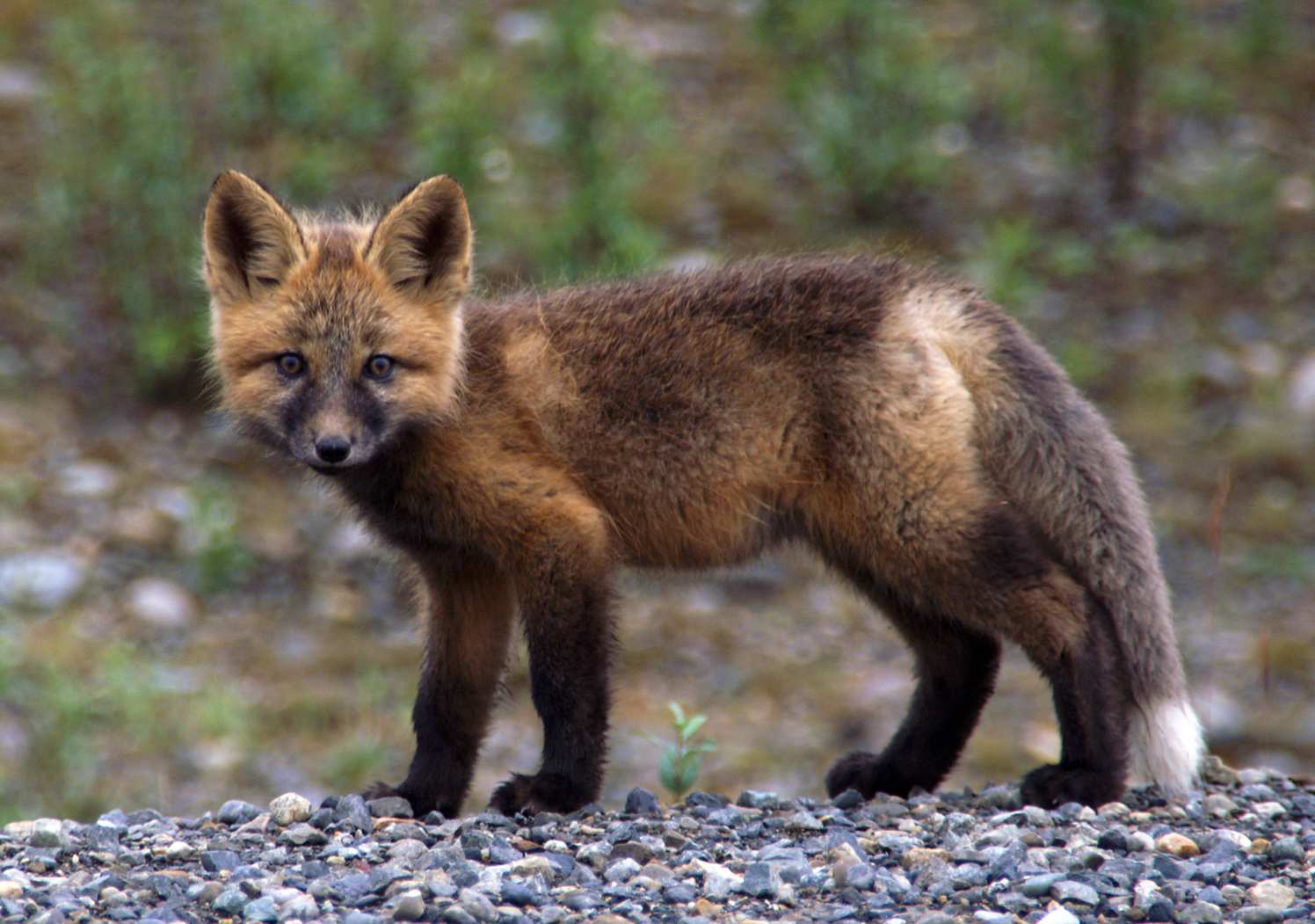
See you in the North!
]]>While there is much controversy regarding the real story behind the arrival of the first Europeans in Brazil, there does seem to be a general sense of agreement on where they arrived. It was apparently in the south part of the Brazilian state of Bahia, exactly where the 2018 Carnival Cycling Expedition will spend most of its days.
>>Learn more about the Carnival cycle tour
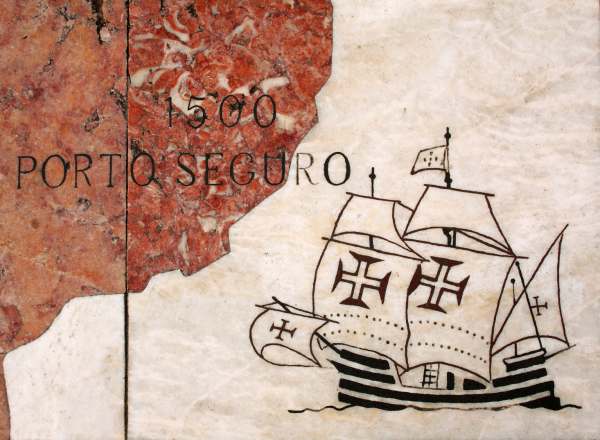
One historical version suggests that the Portuguese ships’ – small, fast caravels – first interactions with the indigenous population occurred on a beach now known as Barra do Cahy. However, due to all the rocks and coral reefs, they were only able to safely make landfall 100 km further north, in a place now called Porto Seguro, which means “Safe Port”. There are certainly more than a few interesting facts about this stretch of almost 200 km of coast, the Costa do Descobrimento, the Coast of Discovery.
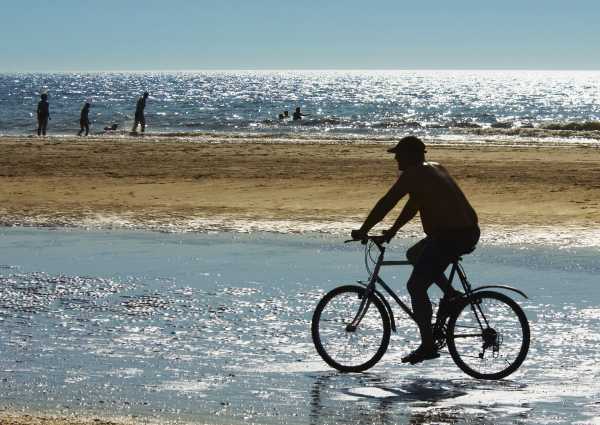
Rich in culture and featuring some of Brazil’s nicest beaches (and that is saying a lot!), vehicular access to many of these places is very difficult. Sometimes, due to the lack of bridges, driving from one beach or town to the next can be a very long and frustrating experience. As we were trying to come up with the best cycling route for the 2018 Carnival Cycling Expedition we eventually decided to follow in the “footsteps” of the Portuguese and ride our bicycles along the beautiful sandy shores.
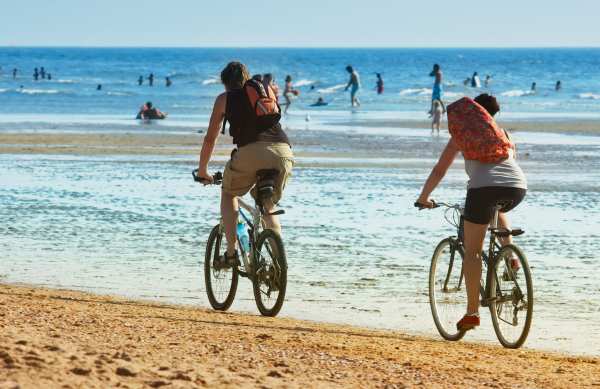
This will happen during 5 or 6 stages of the ride. Having done it myself in the past, I must say that we will be riding on some absolutely stunning beaches. No vehicles, no climbs… just our bikes and the lapping waves of the Atlantic Ocean! You are probably thinking – “And a lot of sand!”. True, but when the tide is at its lowest, the riding surface can be as hard as asphalt, and cycling on the beach is actually a fantastic experience. The beach rides themselves, being dependent on the tides, will be very short (say, between 20 and 30 km). This gives us plenty of time to enjoy refreshing ourselves in the surrounding rivers and lagoons, not to mention with ice cold beers and tasty caipirinhas on the beach at the end of the day’s ride.
>>Read: TDA’s Carnival Cycling Tour Has it All
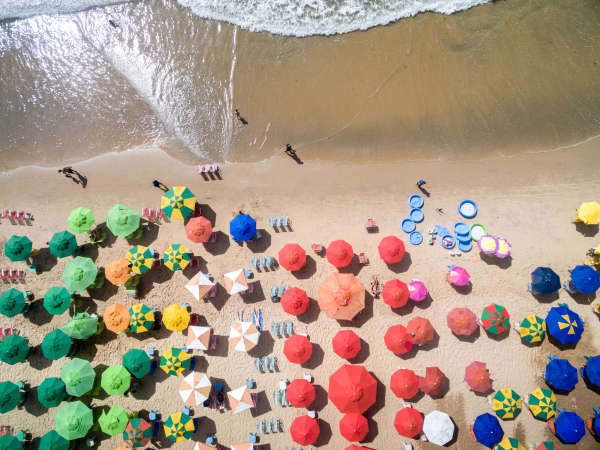
Fun. Fun and sun. That is what the 2018 Carnival Cycling Expedition will be about. It will be a veritable beach fest, as we are riding along the coast as much as we possibly can, and most of our hotels are just across the street from the water. We will ride through beaches that most people never visit, but we also will sample some of the country’s favourite holiday sites. Prepare yourself for an overdose of “braziliance”, as Brazil’s party time extends all the way from New Years until Carnival’s last drum beat some 6 weeks later.
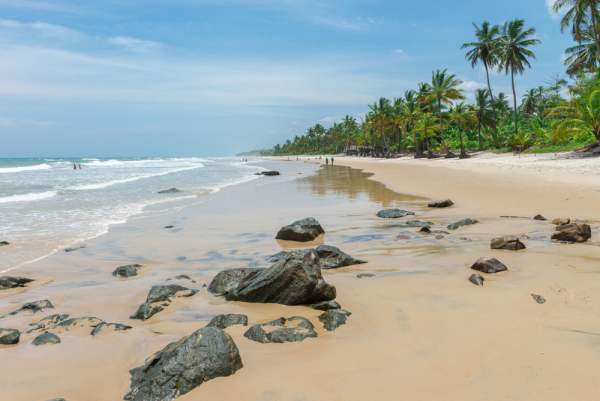
You should also bring your sense of adventure. Ferries, speed boats, fishing boats, high temperatures and beach rides will all still make it a real TDA ride. However, if you have been looking for an adventure but don’t want to camp and don’t require that every day’s ride push you to the limit, this is the tour for you. The stages are, on average, a lot shorter than other company tours (most days are less than 100km), and there are not many unpaved roads other than the beach rides. The ride is mostly flat and the hotel accommodations and local food will be really great. On top of that, you will love the sandy beaches, the warm weather and the friendly people!
]]>When a group of cyclists from bike-mad countries like Holland, Belgium and Denmark are impressed with the cycling culture in certain city, you know that you are on to something big. That is exactly what happened one Sunday in 2015 as the riders of the South American Epic rode into the Colombian capital city of Bogota.
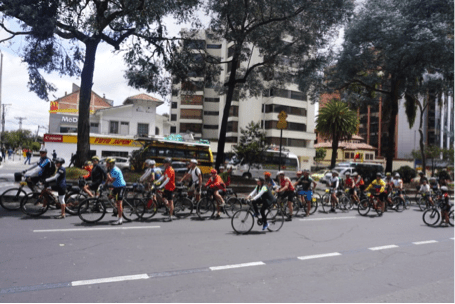
As I sat in a restaurant on the outskirts of the city, waiting for all the cyclists to arrive so that the group could ride together to the hotel in downtown Bogota, I could not believe what I was witnessing. I watched as thousands of cyclists of all ages and styles passed in front of my eyes – a sea of cyclists. Street vendors were all selling bike gear – helmets, sunglasses and uniforms. Everything was about cycling. I had never even dreamed of anything like that, but once one of our Dutch riders told me that he also had also never witnessed anything similar, I realized that what I was seeing was absolutely unique.
The concept of closing the streets to vehicles on Sundays and creating “ciclovias/ciclorutas” (which has now spread across the Americas and the globe) was officially born in Bogota in December 1974. On that day over 5,000 people closed a few streets in downtown Bogota, protesting against the lack of recreation options, the proliferation of automobiles and the subsequent environmental contamination. By 1976, the municipality had approved laws that created both temporary and permanent cycling routes in the city. Between 1995 and 2000 the city decided to expand the project and increase the number of paths, improve the signs and turn the Sunday event into the largest temporary “Bike Park” in the world. Originally the streets were closed from 9 am to 12 noon but soon the hours were extended to 7 am to 2 pm and the cycling network grew from just 20 km to over 121 km. These days more than one million people get out on their bicycles every Sunday to enjoy the ciclovias in the city. Those are very impressive numbers, especially considering the city’s terrain, altitude and weather.
Of course, even in 1974, cycling was nothing new for Colombians. The astonishing and gruelling “Vuelta de Colombia” race has around since 1951 and Colombian racers have been winning races all over Latin America for years. They were known across the world as great cyclists and indefatigable climbers. Lately, pro racers such as Nairo Quintana and Esteban Chaves have taken on the world. A lot of attention has been directed to the country and the roads that have been building all these champions over so many decades. Now, with the political situation in the country being more favourable for people to visit, some of these legendary climbs are seeing more and more international cyclists every year.
The South American Epic route through Colombia is divided into 2 sections – The Undiscovered Country (Cartagena – Bogota) and Coffee & Cocoa (Bogota – Quito). Parts of the 1st section actually take in some of the same roads that the Vuelta de Colombia does. Here are 3 of the most memorable stages between Medellin and Bogota.
Stage- 8 – Medellin to La Pintada (Alto de Minas)
80 km ↑1300 m, ↓2100 m (Strava link)
When it comes to cycling climbs, Medellin is probably the best large city in the world. There is good and steep cycling going on in any direction you take. After riding into Medellin on a Sunday (so that we can experience its ciclovias and ciclorutas), the riders on the South American Epic leave the city on a Tuesday morning in a convoy. Once outside Medellin, they will cycle the Alto de Minas, a stage which is famous in Colombian cycling world. Even on a Tuesday morning, this road will be full of cyclists. Fortunately for the less motivated riders, we will be taking the reverse direction of the one taken during races like “Vuelta a Colombia” and “Clasico RCN”. The participants will climb a little bit to the summit and then begin the long downhill (42 km, parts with grades of -11%) into the town of La Pintada by the Cauca River.
Stage – 10 – Manizales to Mariquita (Paso de Letras)
120 km ↑2300 m, ↓4000 m (Strava link)
Known by many as the longest climb in the cycling world, this 84 km ascent is a classic. Part of both the Vuelta de Colombia and the Clasico RCN, the summit sits at 3679m but the grades are never steeper than 11% making it around 3300 m of overall climbing. While the riders of the South American Epic may be going mainly down (80kms) on this section, getting from Manizales to the summit (30kms) is no easy task.
Stage 013 – La Vega to Bogota – (Alto del Vino)
75 km ↑1800m, ↓1500m (Strava link)
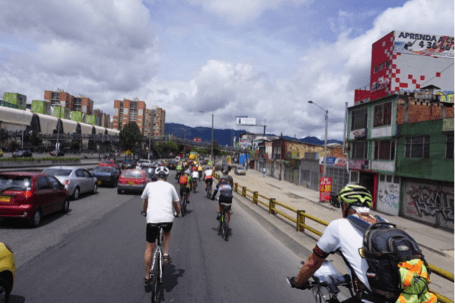
The ride between Vega and Alto de Vino, on the outskirts of Bogota is such a long climb that in many countries it would be left exclusively to serious cyclists – but not in Colombia. Over a regular weekend and especially on the Sunday morning, hundreds, if not thousands of local cyclists will take the challenge. Although the climb really begins before La Vega in a town called Villeta, South American Epic cyclists will not ride those first 8 km. Nevertheless, the ride up to Alto de Vino (where we try to do lunch) is almost 40 km long with 2000 meters of total ascent. The average grade is 5% but there are parts that approach 10% towards the end of the climb. From Alto del Vino (the summit) it is an easy ride to the point where we gather for the group ride in to the city of Bogota. After completing this challenging climb the riders can sit back and watch as thousands of local cyclists enjoying their Sunday ride.
Suggested Reading:
Kings of the Mountains: How Colombia’s Cycling Heroes Changed Their Nation’s History
]]>Cristiano is busy scouting the South American Epic. Here is his latest report:
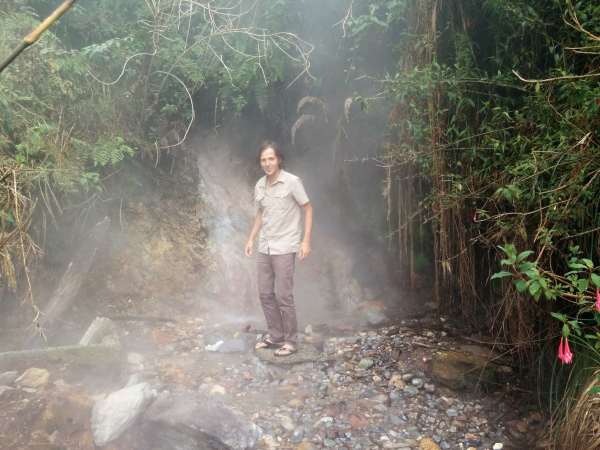
This is Alejandro, a new Colombian friend of ours and now our main person in Colombia. The reason why I mention him is that there are a couple of quotes from him that describe our route through Colombia much better than I can. One evening, a few days into the scout, we were going through all the elevation profiles of the stages we had just done and were chatting about them. At stage 4 or 5 he looks at me kind of funny and says: “Es una etapa de Tour de Francia! ¿Podemos hacer eso” (It is a stage of the Tour de France ! Can we do that?).
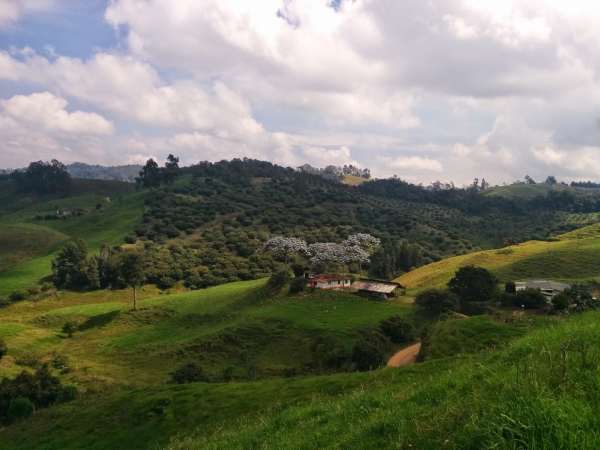
There are three massive chains of mountains starting in the north of Colombia and heading south for hundreds of kilometers, eventually merging close to the border with Ecuador. There is no avoiding the very long ascents and descents. This beautiful country is home to a few climbs that would probably not be allowed on the Tour de France. For example, Paso Letras (starting out at just 468 metres above sea level, the Alto de Letras climbs on for a staggering 80km to its summit at 3,187m, making it amongst the longest paved road climbs on Earth) which, although we are not taking it, local cyclists climb everyday.
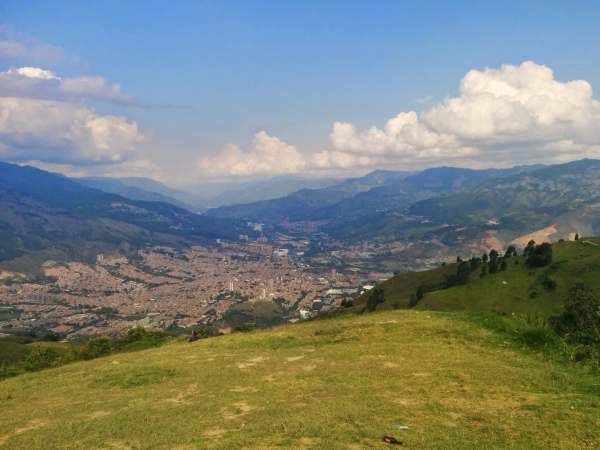
Days passed and we found ourselves staying at a town called Mocoa, just before the road quaintly known as the ‘Trampoline of Death‘, and not too far from the border with Ecuador. We were chatting about the challenges of the latest stage we had just scouted. Not only could it end up being the first century (in miles) of the tour, but it also had some pretty solid climbs and around 3500 meters of diving downhill on a pretty crazy highway. On parts of the downhills the road was pretty steep and, in others, the pavement was broken. We went on and on, comparing climbs and descents among the different stages when, all of a sudden, Alejandro interrupts me, nods his head, and says: “Esa gente no sabe lo que los espera! (People do not always know what awaits)“.
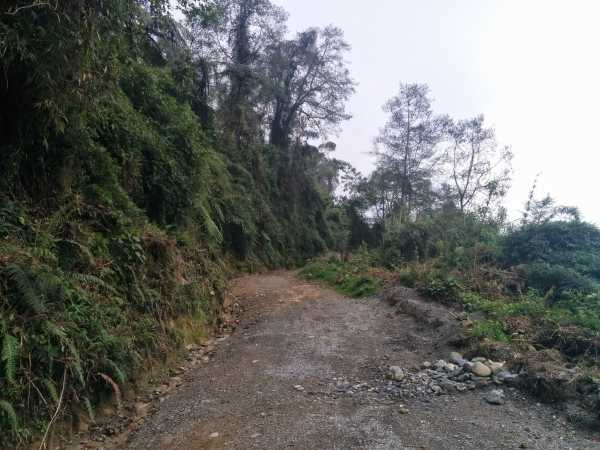
Perhaps some of you do not know exactly what kind of an adventure you are getting yourself into? All I can do is to emphasize how extremely beautiful and green Colombia is or how immensely friendly (and beautiful) the people are. And, of course, how much Colombians love cycling and how many of them ride! The coffee, obviously, is world-famous for its near perfection.
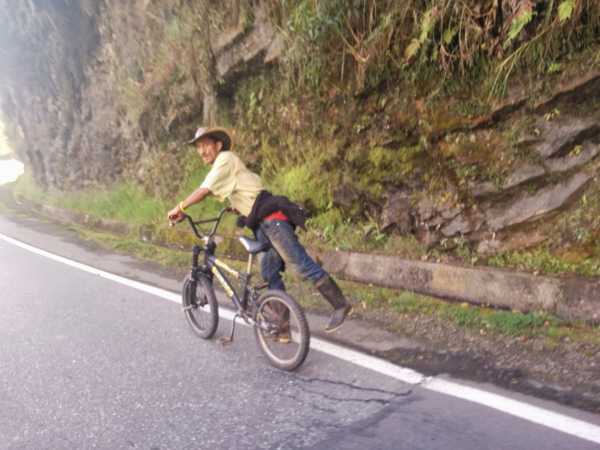
The fact is that I was arrogant and completely underestimated the country myself. Not about it being so beautiful and its people so friendly, since I already knew that pretty well from friends who had cycled through Colombia. What I didn’t expect was how difficult it would be to scout, how hard the cycling was and how complicated the logistics would turn out to be. Now we are just a few stages from Ecuador and a couple of stages or so from Quito. From there, I am flying back to Brazil where I will be meeting up with Sharita for the next phase of the scout. You should hear from us again very soon!
The Colombian sections of the 2015 South American Epic are currently sold out. Please let us know if you would like to be added to the waiting list.
]]>
Cristiano reports on his scouting mission for the South American Epic:
For a very long time, I had really wanted to cycle the Carretera Austral in southern Chile but as Patagonia is so close to Brazil, I guess that I kind of forgot it amongst all the other new places that TDA has taken me. That is, until it was decided that I was only going to work half of the Trans-Oceania tour in order to go scout Patagonia for the new South American Epic Cycling Expedition.
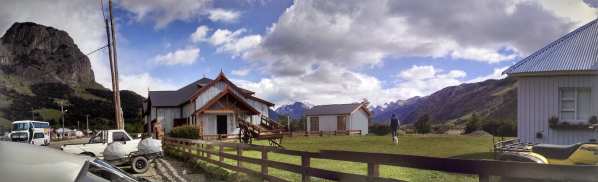
Having recently finished my journey along our planned route, what can I tell you about it?
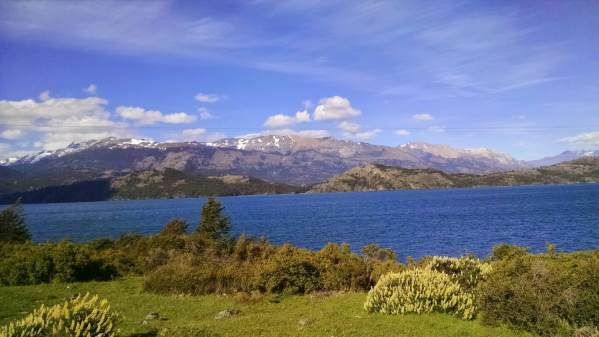
1 – Do it now. I guess this goes for any place on earth that you really want to visit but Patagonia is changing quickly. If you want to cycle the Carretera Austral at its wildest, you are running out of time.
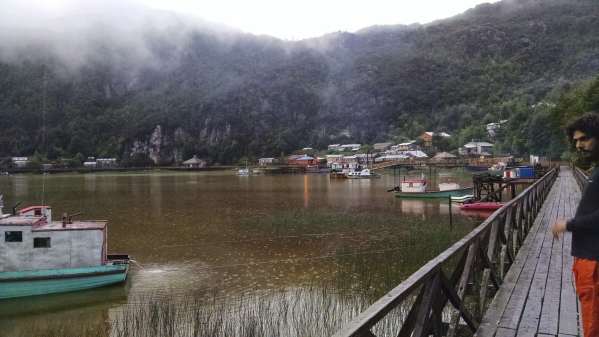
2 – Bring very good equipment. We will pedaling through Patagonia during the summer but it can get very cold at night and remain cool even during the day. It could even snow but it is more likely that you will endure a good amount of rain in Chile. Once we leave the Carretera Austral and move to the Argentinean side, it will probably not rain. On the other hand, you will probably deal with some of the worst winds of your life. A good tent, sleeping bag, clothing and camping equipment can mean the difference between enjoying the journey or not. Keep that in mind!
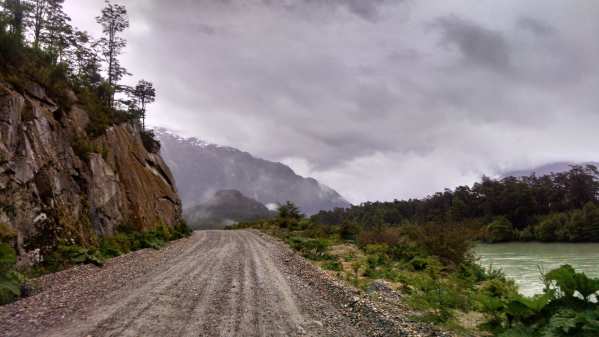
3 – Road Conditions In Chile, to the delight of many and the disapproval of others, the Carretera Austral is being paved. Although they are working hard and making good progress, nobody knows how long the construction will last and how much of the route they will end up actually paving. For now, there is a lot of road work but the surface is still mostly gravel. In Argentina there are mostly very good roads (but remember the winds mentioned in the previous point!)
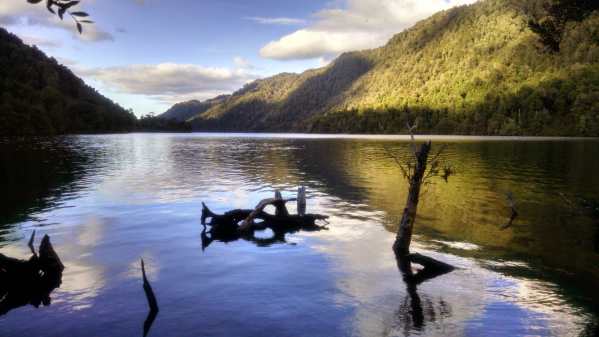
4 – Camping – You will find yourself tenting in some of the most beautiful and peaceful spots you could think of.
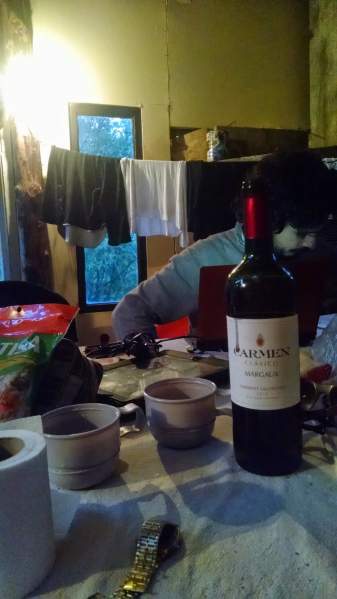
5 – Hotels – As a general rule, we are trying to make sure you get to sleep indoors once in a while – usually on the rest days. This can be particularly tricky in some parts of Patagonia if you are in a larger group. In some of our rest day towns, a place big enough for 30 people simply doesn’t exist so don’t be shocked if you find yourself in a hostel sharing a room with 2 or even 3 other people.
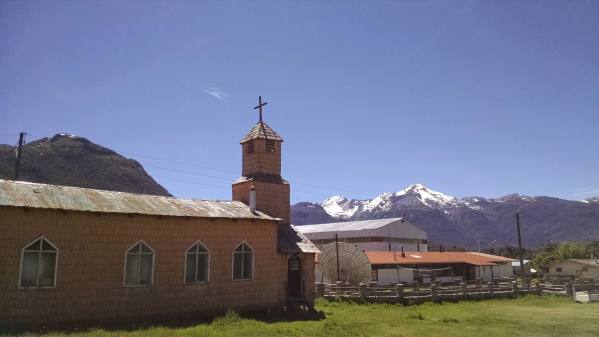
6 – Adventures and Challenges – Logistically, it would have been a lot easier to follow other cycling companies and not bike the entire Carretera Austral through Chilean Patagonia. But that is not the TDA way! Easier, sure but not nearly as spectacular, challenging and rewarding. If you find Puerto Montt on the map, you might wonder if it is even possible to do this. As a big group, traveling on a tight, inflexible schedule it will be complicated at best. We will have to take up to 6 ferries/boats on these 25 days and some of these can become problematic – depending on the weather. Of course, we have a plan B and a plan C but our cycling expedition through Patagonia will make the SAE 15 an adventure that will take your breath away. We wouldn’t have it any other way.
Keep an eye out for my next South American Epic scouting report from the mountains of Colombia where I will check out our route through the infamous “Trampoline of Death”!
]]>“I would say it is unbelievably interesting and beautiful. I mean, imagine some very quiet roads – actually paths – going thru large rice fields across beautiful mountains and passing the most remote villages you can think of. Places where people make everything themselves, from their houses to their clothes and their tools, and you hardly see the influence of the modern world. Really, really, beautiful. Really, really nice.” – from one of my recent scouting reports
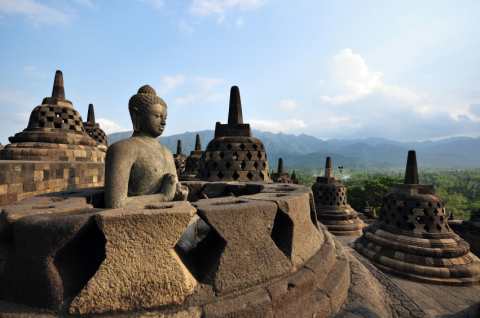 When our company’s rather well-traveled founder Henry Gold told me that Indonesia was unlike any other place he had ever been to, I knew that scouting the route of the new Trans-Oceania Cycling Expedition would be a big challenge. Now, as I sit in a hotel room 40 km outside of Yogyakarta, Java, I realize it has been one month since I arrived in Medan, Sumatra to start exploring this absolutely fascinating country.
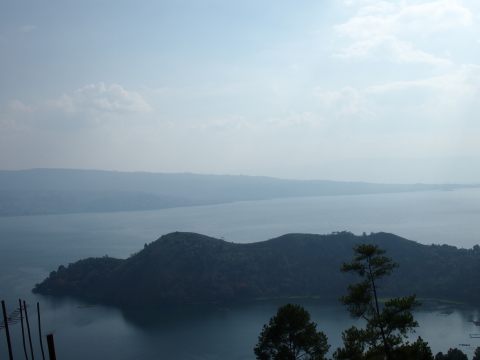 Have you ever pictured yourself riding around the crater of a volcano that erupted so strongly many thousands of years ago that it likely triggered the last ice age and almost exterminated humankind? If not, than you probably haven’t imagined yourself cycling and sleeping on an gorgeous island located in a beautiful lake inside that very crater, right? Well, joining the Trans-Oceania gives you that opportunity. Riders will enjoy a well-earned rest day on the island of Pulau Samosir situated in spectacular Danau Toba, the largest lake in South-East Asia.
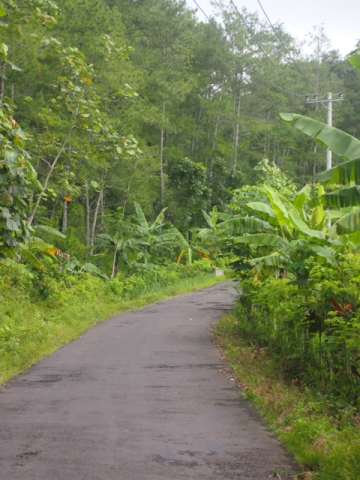 And that is just a small taste of what is in store for the adventurous cyclists signed up for the Trans-Oceania cycling expedition! They will pedal down the paths between rice fields and irrigation canals; visit amazing hot springs and villages where, perhaps, no other foreigner has ever set foot; even spend a night in a hotel that served as the base for the Dutch army back in colonial days. If you are not afraid of stunning volcanic terrain and as much flora & fauna as you can possible handle, consider joining us for this epic trek – your adventure of a lifetime.
Jungles. Waterfalls. Beautiful beaches. Temples. Volcanoes. Amazing food. Unbelievable cycling. Off the beaten track.
]]>
“Seguro, hombre?” – asks me Jon, our chef, everytime I tell him something. “Frijoles con queso”, he replies to any question I ask him. “Buenos dias” was the greet amongst the riders this morning, when we all got together for breakfast just before 6 o’clock in the morning.
Yes, we made it to Mexico. We are now camping in a very interesting abandoned resort at the entrance of Baja California. Everyone was very excited to enter Mexico, but it is very clear how impressed the group is with the kindness and hospitality of Mexican people. Any apprehension seems to have vanished and our small group has been having a great time. The border crossing day was a short 40 km ride, which gave us all enough time to explore the interesting border town of San Luis Rio Colorado. Once the vans made it through and people had their bags and were able to check in and take a shower, we didn’t see anyone until dinner time, when they all arrived with bottles of tequila. Margaritas for the next days! And Mexican mustaches.
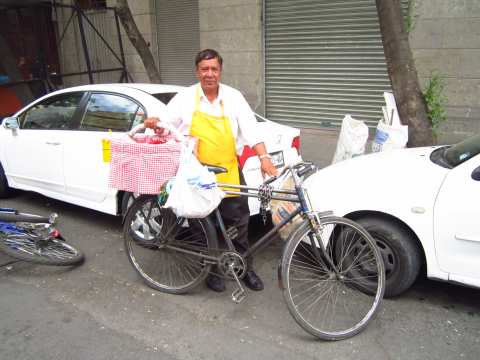 Mexican people are really friendly. I was welcomed in one hotel by Lupita (who I only saw once, during the scout) with a really nice hug and lots of attention. When sitting down on a street stand for some tacos, it didn’t take a minute until the lady sitting next to us started a conversation. It was like that for the whole scout and I am sure it will be like that for our entire stay in Mexico. What a country! What great food! What lovely people! The drivers have been very careful and… well, enough of saying how great this is.
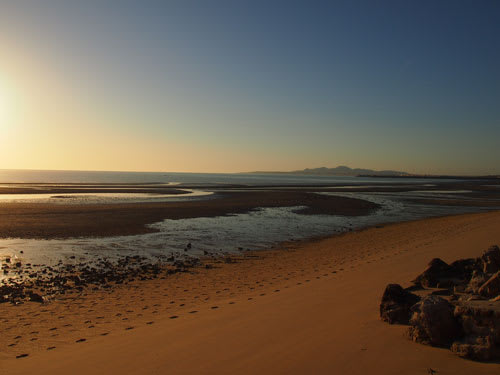 Soon we will hit the beach, which will be treat after riding for so long under such extreme heat. The last two days into Yuma across the Arizona desert were really hot, hitting almost 45 C. Since we have entered Mexico it has been hot but all of a sudden 40C doesn’t feel so bad anymore. It is amazing how small things make such a difference under such extreme circunstances. A surprise refresh stop with ice cold drinks and Cliff bars can be one of the highlights of the trip for these brave warriors who have faced all kinds of weather and roads since we started 2 and a half months ago in Alaska. I must say it has been a hell of a trip (in a good way). We spent many days in National Parks along the way but we also saw so many places where tourists rarely get to. Actually, to say we saw these places is not enough. We lived every single inch of them.
Space still available on the last section of the North American Epic – Conquistadores (Mazatlan – Mexico City) – and it is 30% off!
]]>
One of my main motivations to stay on the road almost year-round doing tour after tour is certainly the people. The characters you meet when slowly crossing a continent by bike are worth more (in my perspective) than the places and the scenery itself. The riders and staff themselves are a show of their own as they are actually the people you live with and whose weaknesses and “weirdnesses” you will have more than enough time to learn. But meeting the people in the towns, villages, campgrounds and all different corners of these countries is also a priceless experience. It would take too long to describe all the characters I have met this year while scouting, transiting and touring across Mexico, Canada and the USA. People can surprise you and disappoint you and can easily make you feel like you want to quit, keep going and come back and do it all over again, sometimes all in the same day.
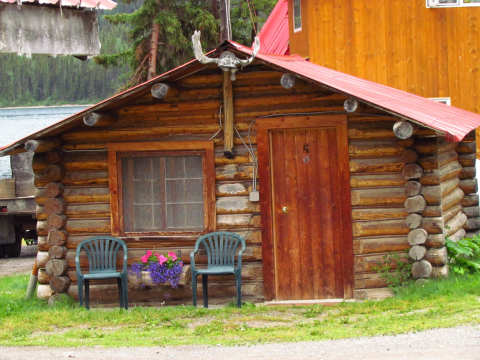 While in Alaska, Yukon, BC and now in Alberta, we have met all kinds of funny (and not so funny) characters. A couple of days before the small town of Watson Lake, we had an interesting experience with the local people. In one of the campgrounds, after setting up with about 30 people, we had some snacks and had taken 6 or 8 loaves of bread from their own restaurant’s stock. I came down to settle up the bill. “I don’t charge for cyclists“, the owner tells me. “I don’t want your money“. Fine, I thought to myself, it’s always good to see people supporting the cycling cause and travelers on bicycles. I then asked her how much she wanted for the the 3 rooms the riders had used for toilets and showers. “I’ve already told you, I don’t charge for cyclists. Please put your money away“, she repeated as she saw me reaching for my credit card. I then double checked to see if she remembered who we were, from all the e-mails, phone calls and our visit just a month earlier. “You do remember this is a commercial tour, right?” She nodded to confirm it and I couldn’t believe what was happening. After using three of her rooms and taking a big space in her campground, she was only going to charge us for the bread and the snacks. I was wrong there as well as she didn’t let me pay for that either. I then asked her what she would charge from us and she told me “booze“. I bought a few litres of wine and ended up drinking some of it with herself, her husband and some friends of theirs.
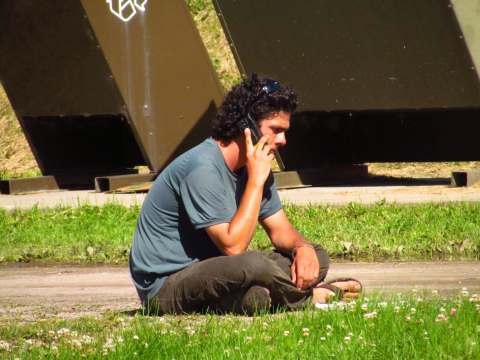 Two days later, we rolled into Watson Lake early in the morning. After stopping for groceries (a blessing after so many days without being able to resupply our stocks), we flagged our way into camp as we usually do every morning. We were booked into the only campground in town, the Downtown RV Park, and we already knew where we were going since we had also stopped by just about a month earlier to see the place and confirm our reservation with the owner. To my surprise (or disappointment), as soon as I walked into the owner’s office (the reception) and announced that it would still take our riders a few hours to arrive, he stood up from his chair and addresses me very rudely and agressively. “Well, I will tell you what. I don’t give a damn where your cyclists are“, he says. “Fair enough“, I replied but before I could even say anything else he started this speech of how he didn’t like me since the first time he saw me and how he had this bad feeling about me and our group. “Have you ever had this feeling about someone?“, he asked. He kept going on and on. “You are cocky and bossy, and I can tell you are used to doing whatever you want everywhere you go. Not here, my friend. Not with me“. He then said that if it wasn’t for our reservation, I would already be out of his place and that the next time we should look for another place to stay, as he didn’t like me and he didn’t like cyclists.
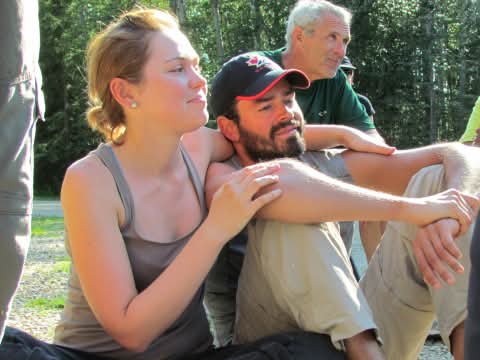 At that point, I had already decided that it was not worth staying there, since I didn’t want to take a chance to have the entire group being treated like that. It turned out that a few days later another group of cyclists was also kicked out in the same manners, a self supported family of 14 cyclists, 11 of them children. The youngest was 4 years old, riding a trailer behind her mom’s bike. I told him a few things I can not repeat here and left on the mission of finding a new place to camp and making sure the riders could find it easily. As I did that, I remembered his last words to me a month earlier. It was something that ended like “…and you guys will be back home in Africa“. So, who knows what his reasons were for acting like that. I would like believe he is a good guy who was going through a bad moment but…
Whether you are on your bike or not, life on this tour goes up and down like a roller coaster.
]]>It’s now been a month since we left Anchorage, Alaska and began moving our little nomadic cycling village south towards Mexico – a little bit everyday. We have been through (almost) all sorts of situations, places and roads and we have met all kinds of people. For those who stay up late enough (or those with a need to get up in the middle of the night for a pee), it is now possible, after so long in the land of the midnight sun, to need a headlamp in the dark. Before that, wake up times and dinner times had been picked randomly as we could have easily been riding during the night instead of the day and, other than the cold, one would hardly have noticed the difference.
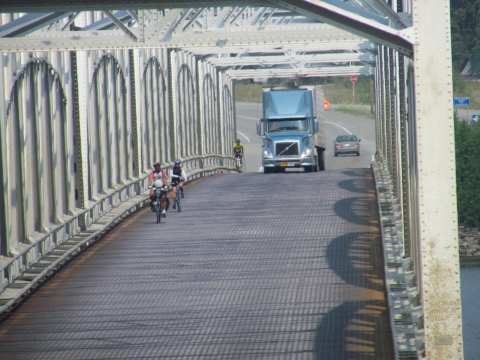 We have had days with almost no traffic at all and we have had a few days with lots of traffic. Oil trucks one day, logging trucks the following day, you name it!!! There’s been dance parties, yoga and push-up classes, and lots of swimming in lakes and rivers near the campsites. There’s been night pranks, surprise birthday parties and lots of other fun in camp. There’s been reunions and goodbyes, as we have had new faces joining us along the route.
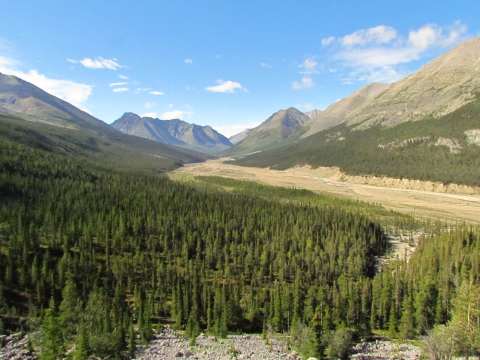 Although there’s been a lot going on, there is a lot more to come and a lot that hasn’t gone on yet. We haven’t had any dramas and (as far as we know) no love stories yet. We may have been through some great scenery but there is some amazing stuff still to come. Think of Jasper, Banff and the Glacier National Park. Think of Yellowstone, Monument Valley, the Grand Canyon, Baja California and the small historical towns in Mexico.
We are only a quarter of the way down the continent and the group will still change a lot. And you are not here…yet!
]]>The North American Epic 2013 is rolling along nicely as I write from a riverside campsite in Alaska. It is stage 3 and people are still getting to know each other. We are slowly getting used to a system involving new staff, equipment and vans in a part of the world where we are operating for the first time. As tiring as this may sound, we are all very happy and relieved to finally be on the road.
Alaska is a very unique place, as we had already realized on the drive up. Although there is a highway with a few small villages along it, you are really in the middle of nowhere. It is hard to describe how peaceful and beautiful it can be. Snow-topped mountains, tons of rivers and lakes, lots of trails and wildlife (Brett, an Australian rider on his 3rd tour with us, went for a quick ride on the city bike paths and saw a few moose and a bear).
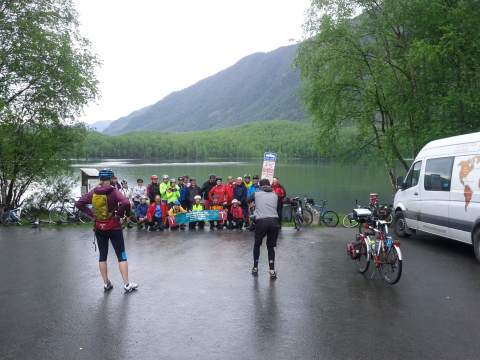 Independence Day, 2013. For some of us on this expedition, the trip means independence from our cars and a lot of the stuff we have learned to “need” in our busy crazy modern lives. We celebrated our July 4th by leaving Anchorage as a convoy, just to make sure no one would get lost on the crazy network of bicycle trails that exists throughout the city. During the first riders’ meeting I made sure to make them aware of what I expected it to be – long, slow and painful. Well, it was long. And it was wet and cold, but we seem to have a group in good shape and it was not so slow. It also was not too painful. People seemed to be all pretty happy when we stopped at Mirror Lake to take a few group photos, refill their water bottles and give them some Clif bars. Speaking of which, thank you guys at Clif. Were they happy to see “you” there! From then on, we set everyone free to start their own ride as it is now one very straightforward route on Highway 1. We will probably not be riding all together again until the “Convoy de los Conquistadores” into Mexico City almost 4 months from now
It was also very rewarding to see a bunch of people I thought I might never see again. In many ways, for me, that is more rewarding than the places we go through. It is always hard to say goodbye to my fellow staff and riders at the end of a long tour, as we all eventually become a big family, so I am very happy to be again in the same boat as my pals Brett Lanham and Brian Fullerton (Trans Europa) and Craig Tindle (Vuelta) and I cannot wait to meet up with Jessica Wolf (Doomsday) and Louise Levitt (Trans Europa). Not to mention the pleasure it is to work again with chef Jon Shepheard (TDA 12).
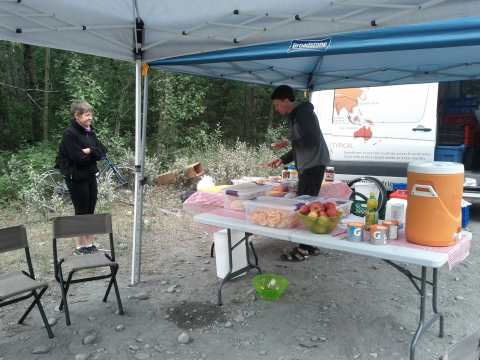 As I finish writing these words, the first riders start rolling into camp. They come to say hello and make sure I see them arriving. As I see the beautiful smiles on their faces, I smile back. It is a good sign for me, it means that if it all keeps going well, I might have them in the same “boat” as me again in the future!
Happy travels to everyone
]]>Prior to working for TDA, when I still had an address, I was interested in a few different websites, such as Warmshowers – a place to rest and recharge the batteries for bicycle travelers.
Needless to say, I met a few very interesting people, most long-term travelers cycling around the world (some of which are still good friends of mine). A few stayed for a couple weeks, but one guy, Sekiji, stayed for over a month. With all the stories, chatting, laughing and drinking Mexico seemed to be a recurrent theme that would always arise in the form of nostalgia and smiles. Intensity is the word that probably best describes what I always imagined about Mexico, and intensity definitely describes well what I expected when it came time for me to fly to Mexico for a month to scout our new North American Epic route from the border with Arizona all the way down to Mexico City.
Flying into or out of Mexico City gives you a pretty good idea of the actual size of one of the world’s largest cities. It seems massive, chaotic and, why not to say it, intense! Spending a few days in the city wandering up and down finalizing everything for the round trip to the US border gave me the impression that, although still hectic, the city is not as chaotic as I had fantasied. The subway system is pretty efficient and extensive, despite the fact that there may be some serious pushing to get in or out of the train at rush hour and it is very easy to find your way across the city with it. There are police in every corner and although this is not always a good sign… well, the city looks secure and people don’t seem to be walking around afraid at all, even later at night in not 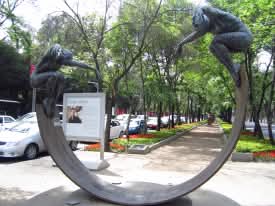 so good areas. Of course, there are traffic jams everywhere in the city, but for such a big city so immerged into the car culture, it is not so bad. The bike culture is also big and seems to be growing fast and the Mexican drivers seem to respect the cyclists. The city (for the most part) is clean, artful and safe. For all its bicycles, organization and art, Mexico City made me feel that the city itself was a reason alone to come to Mexico and that riding your bike into Mexico City as a grand finale to an Epic ride was already enough of a reason to cycle through Mexico. “I should write a blog about this”, I thought!
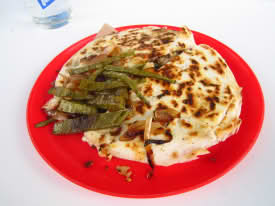 It was also during those days in Mexico City that I started my month-long Mexican street food orgy. As a big fan of their cuisine, I surrendered myself to all kinds of street food, road side vendors and any yummy local snack that crossed my path. Mexican food is no doubt a reason on its own for a visit to Mexico. The intensity of the authentic flavors you can find along the way in hidden alleys and obscure towns you will most likely only visit on a bike proves that cycling is the best way to enjoy Mexico. “Forget beautiful Mexico City and all its cyclists and its art” I said to myself. “This food is the main attraction in this country; I should take a bunch of photos because I really want to write something about it”!
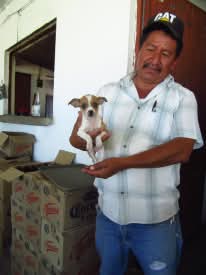 Of course I would usually try to converse as much as possible with these taco men or women, both to check if I can collect information about the area or the road conditions and for the pure fun of interaction – after all, I guess I like to travel more because of people than anything else. By the time I got to Mazatlan to take the ferry across the Gulf of California to La Paz, in Baja, I was in love with the Mexicans. I was still all excited about our Convoy de los Conquistadores into Mexico City and about our great hotel in Avenida de la Reforma and I was even more excited about all the great food. But the people make a place! People like the cashier who ran around the shop getting all his collegues’ IDs so that I could exchange a few times the amount of currency I was allowed to. Or the cop (Daniel) who pulled me over (with sirens and everything else) on a dirt road just outside Isla … to ask me to take some soup, tacos and a few cokes to his friend, working in an operation at an intersection 20 km away. People such as the old man in the campsite in San Felipe or Olivia in Bahia Concepcion or Mr. Abel in Loreto.
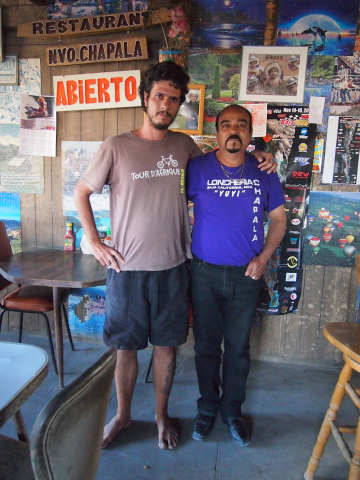 Guess what? I was going to write about the people. You’ve got to come to Mexico. You have to experience its people. It would already be worth coming down to Mexico even if was only to have a chat with the old couple in Acambay as they preper the best quesadillas of your life or the locals who sell the world’s most expensive coconut at a view point over the sea just outside of Loreto. No one resists stopping at the view point and no one resists having a fresh coconut while enjoying such a spectacular view. And it was chatting to this nice old coconut man that I realized what the highlight of our route would be. Maybe people will forget the old couple and the quesadillas, maybe they won’t even like Mexico City. But some of the spots we were going to go through were unforgettable. Even if someone was to come to Mexico to ride one single day on such scenic roads, it would already have been well worth it. I was taking a lot of photos, after all one image “speaks” more than a thousand words.
And with great food, friendly people and beautiful scenic roads I crossed Baja California north and south. From Mazatlan to the border with Arizona and back. Baja feels really, really safe! “Crime rates here are low because there is nowhere to run to”, locals told me on several occasions. There are several military control points and they search every vehicle completely and continously, specially those heading north. Police and military were always very polite and prompt, helping Americans and Canadians park their RVs and camp on the beach or on the side of the road. Our route through Baja has a little bit of everything. Off-road, paved roads, good roads, bad roads, deserts, beach camps, more deserts, more beaches, tacos, coconut water, seafood and a lot of cactus.
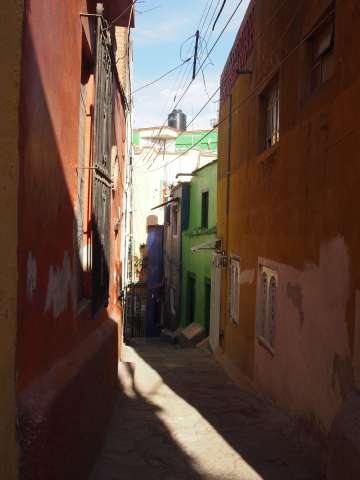 The long ferry crossing to the Mexican mainland from La Paz to Mazatlan is also a unique experience not to be missed. (I saw dolphins and turtles & if you are lucky enough you can see whales) I guess it was probably around the time I got back from Baja to the mainland on my way south that I realized that the Mexican culture, its food, its people and its landscape was already enough of a reason to be in Mexico. And I hadn’t seem Guanajuato, San Miguel de Allende and many other historical towns still to come on route between Puerto Vallarta (the famous beach resort town on the Pacific) and Mexico City. Being in Jesus Maria, Acambay and many of these old towns and to cycle through old narrow streets and alleys was more than enough of a reason to ride across Mexico. “This is why someone would come cycling here”, I thought while driving through Guanajuato. Excited, I explored the options to enter and leave this crazy town, visited hotels and took photos. “It is all about the culture”, I thought to myself.
By the time I got back to Mexico City, I was confused. With so many streets and avenues closed for cyclists on Sundays, I was again in love with this city, which took me back to the beginning. The convoy into Mexico City and the city itself were just intense. But so were the food, the people, the scenery, the culture and the history. As I get ready to leave Mexico and remembered my expectations, it all made sense to me. Mexico was really all about intensity.
]]>