Blog
 REGISTER NOW


Cycling Namibia
Our newest cycling expedition, Africa: Ocean to Ocean, takes riders through seven fascinating Southern African countries. In this post, we take a look at what cyclists can expect on their journey through country number 2, Namibia.
*Note: Our flagship cycling expedition, the Tour d’Afrique also passes through Namibia but that route is far to the south of this tour’s path, which explores a new area of this fascinating country.
Kunene River
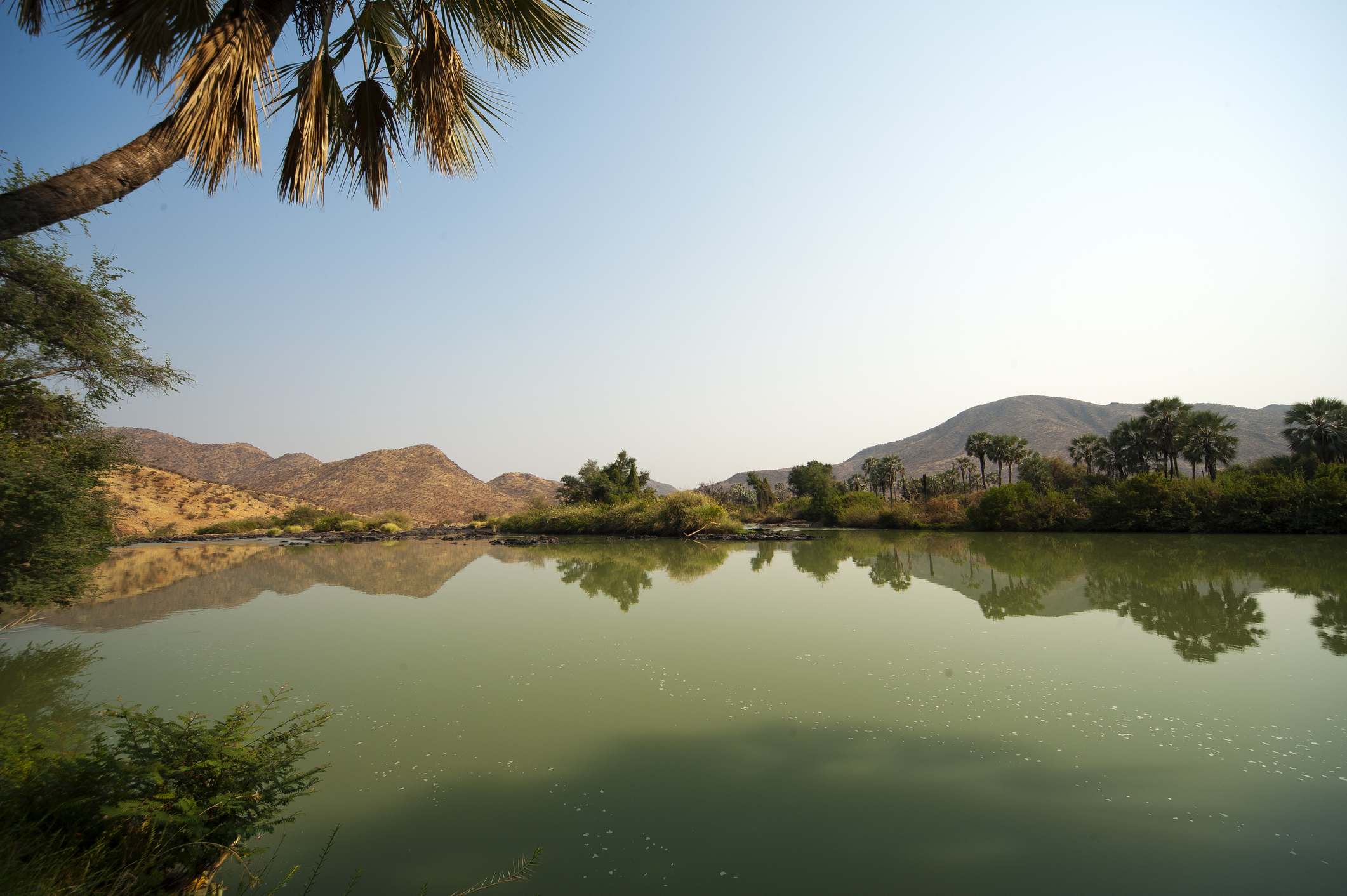
As soon as the riders exit Angola and enter Namibia, they will begin to pedal westward along the Kunene River. This body of water marks the border between the two countries and is one of the area’s few perennial rivers. Besides hosting a number of crocodiles, it is home to the Kunene River mouth cichlid, a species of fish found nowhere else on Earth. The cyclists will enjoy the views as the river changes back and forth from rushing rapids to quiet lagoons.
Epupa Falls
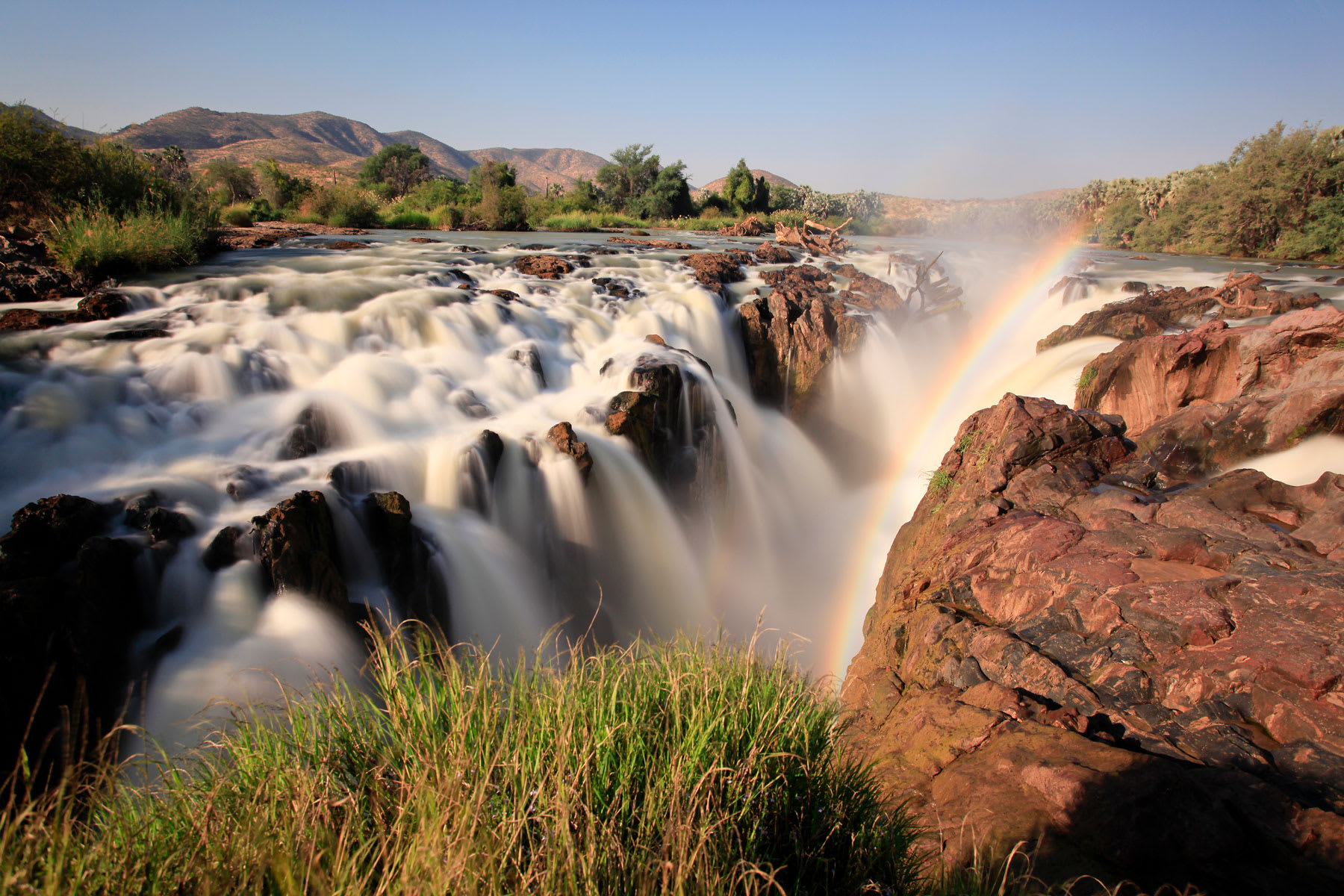
After following the Kunene River for a couple hundred kilometres, the tour will stop in Epupa Falls, a rather remote and unspoiled location. It is a spectacular sight, especially given the arid surroundings. The water crashes down into a gorge and the shores are lined with baobab, fig and palm trees. Riders can check out the many bird species that inhabit the area or simply sit and enjoy the sight of the falls with Angola’s mountains looming in the background.
Kaokoland
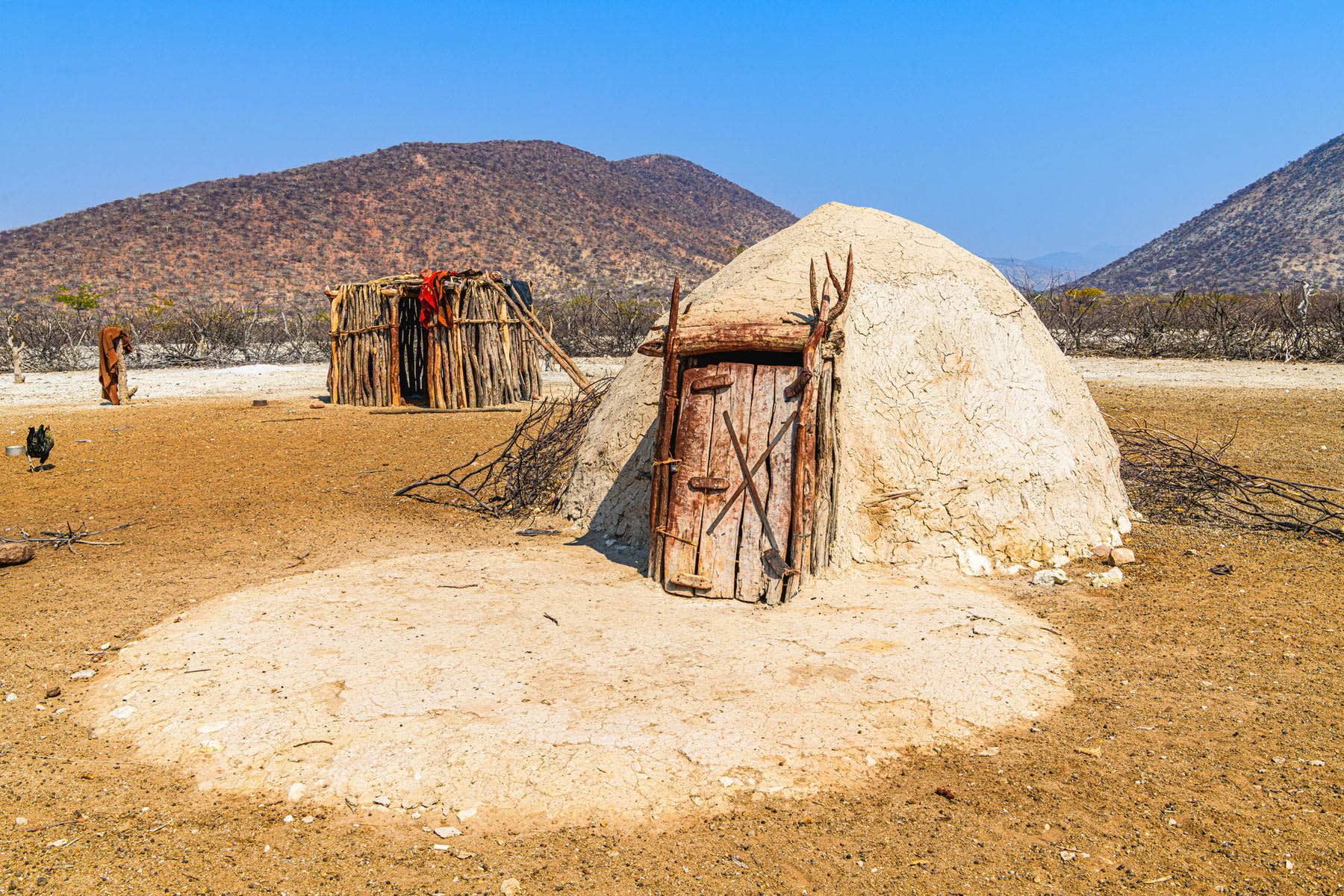
Koakoland is a vast area of northern Namibia and is the country’s least densely populated region (which is saying a lot given that the country’s population density is 3 -4 people per square kilometre!). The climate, although harsh, supports a number of animals such as the unique desert adapted elephant, giraffes, zebra and springbok while hardy succulents and dwarf trees are scattered across the boundless landscape.
Himba Culture
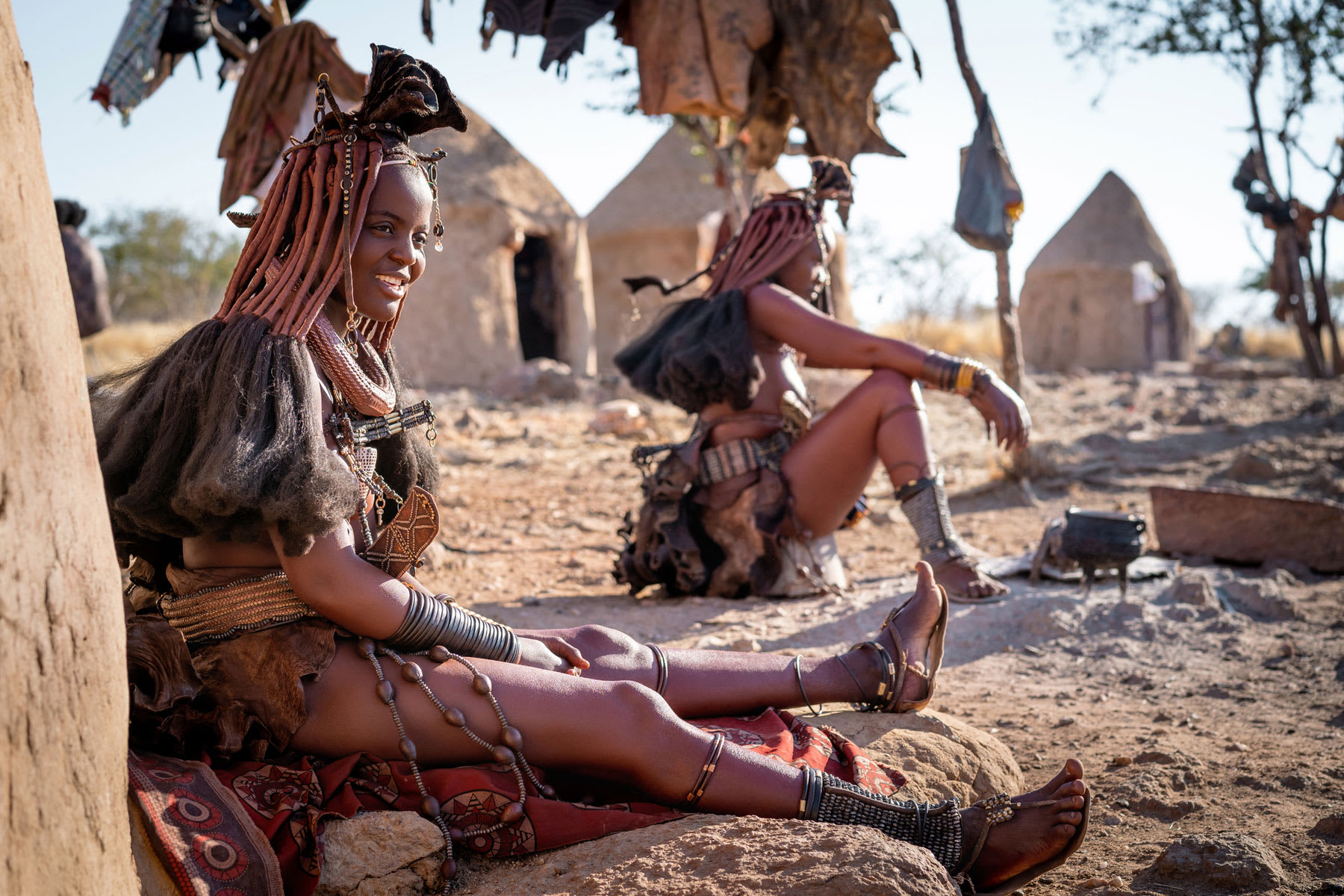
The Himba people, a polygamous, semi-nomadic, pastoral society make their home in Kaokoland, keeping up their traditions and surviving by herding their drought-resistant cattle from one water source to another. The red ochre they use to braid their hair and protect their skin from the harsh sun is distinct to their culture and the women display ornate hairstyles and jewellery made from iron, copper and shells.
Etosha National Park
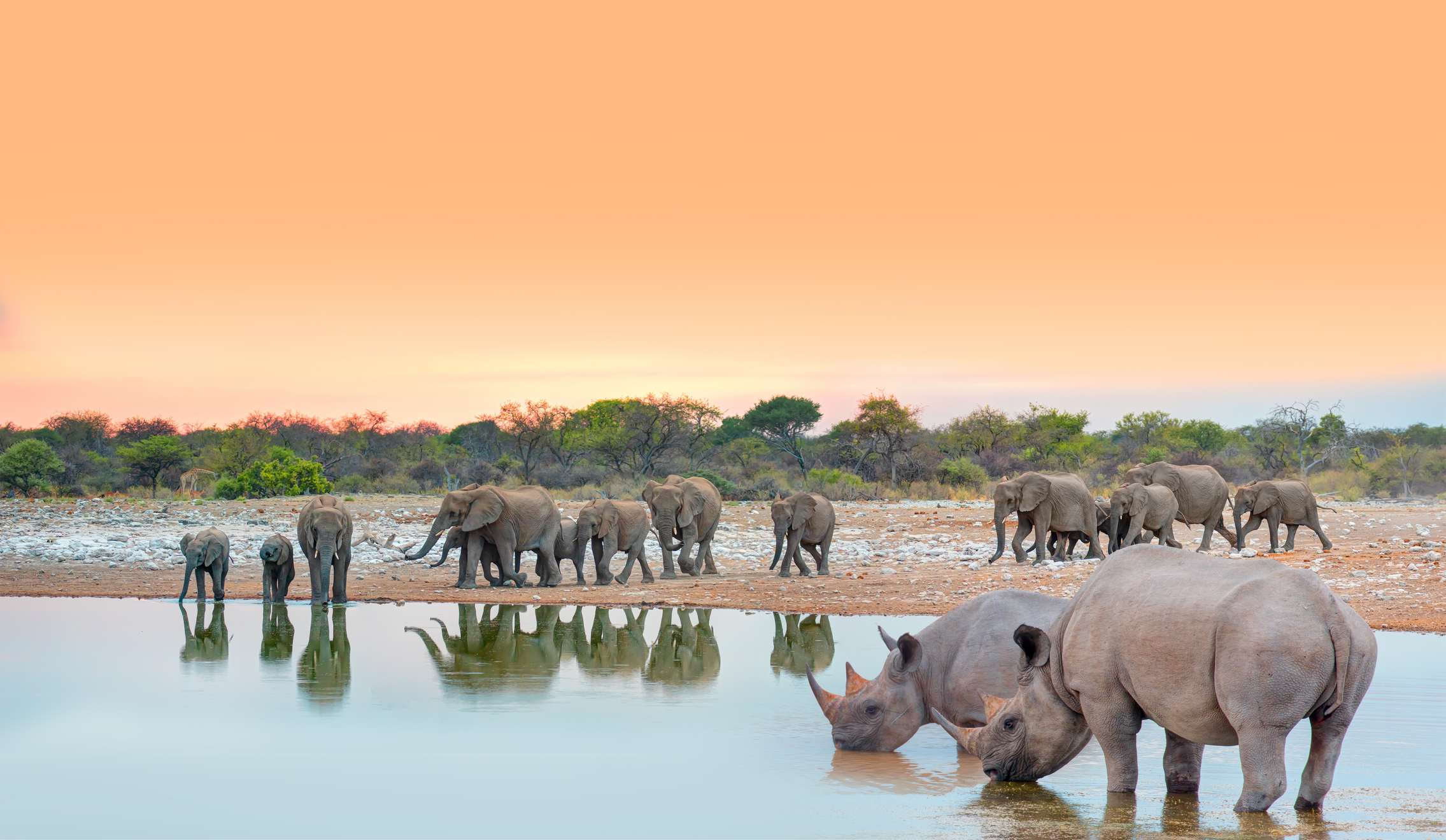
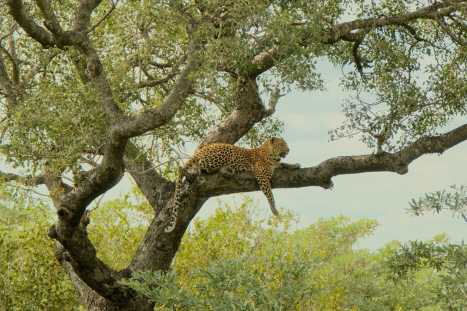
This iconic National Park, known as ‘The Great White Place’ in the local Ovambo language, features a dry lakebed (Etosha Pan) that is 130 km long and 50 km wide. It can even be seen from space! The park is notable for the large number of watering holes that dot the southern edge of the Pan. These attract an incredible variety of wildlife including elephants, black rhinos, giraffes, lions, leopards, cheetahs and many, many more. Cyclists will enjoy a game drive through the park as part of their experience.
Recommended Reading:
Dr Mary Seeley – The Namib Desert
Neshani Andreas – The Purple Violet of Oshaantu
André Brink – The Other Side of Silence
Sandra Shields – Where Fire Speaks: A Visit With the Himba
Marion Wallace – A History of Namibia: From the Beginning to 1990
Recommended Viewing:
Namibia: The Struggle for Liberation (2007) – A historical drama that chronicles the country’s fight for independence.
Bikes for Africa (2013) – A documentary following the life adventures of Hap Cameron and Mandy Todd, and their attempt to help implement a self sustainable bike workshop in rural Namibia.|
Kapana (2022) – A heartwarming drama-romance follows an openly gay office worker and a closeted local kapana (grilled meat) vendor who fall in love.
Recommended Listening:
This is Namibia (Apple)
Namibia: The Price of Genocide (BBC)
Journey Back to Namibia: The Story Begins (Spotify)
RELATED
TOUR

Africa: Ocean to Ocean
The original way to cross Africa from the Atlantic to the Indian Ocean was the maritime Cape Route past the continent’s southern tip, a perilous...
Leave a Comment for "Cycling Namibia"