Blog
 REGISTER NOW


Along The Riviera: Hidden Treasures Of The Trans-Europa
Riders who join the ‘Along The Riviera’ section of the Trans-Europa Cycling Tour will be understandably excited about the start city, Venice, the rest day city, Genoa, and the finish city, Nice. All three are justifiably famous for their history, culture and architecture. What may come as a pleasant surprise is that each of the other nightly stops takes place in a town with some remarkable highlights of their own.
Chioggia
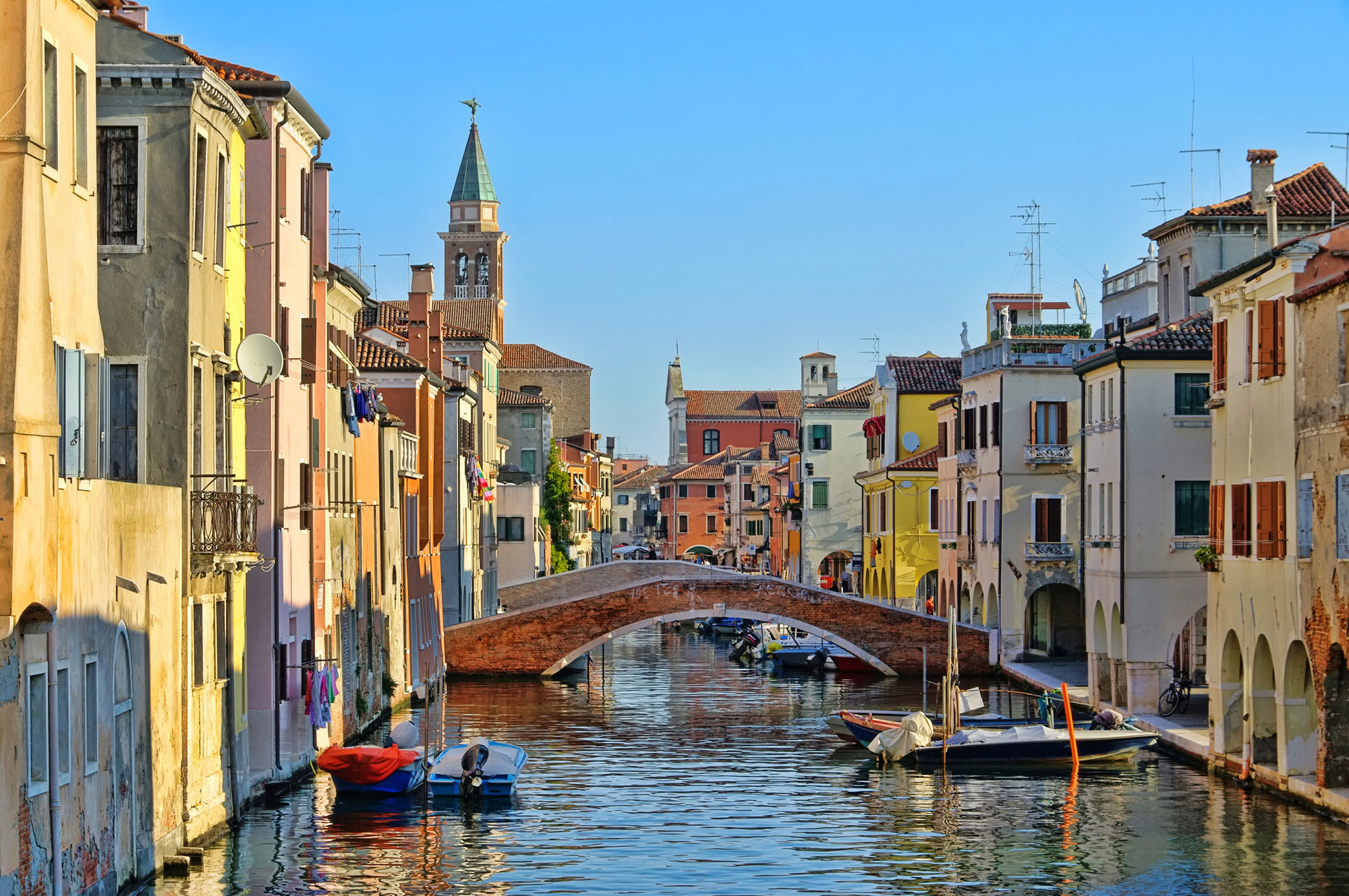
Also known as ‘Little Venice’ due to its picturesque canals and narrow alleyways, Chiogga features a Museum of Adriatic Zoology, a Romanesque watchtower, the Torre dell’Orologio S. Andrea, with a medieval clock and is famous for its tradition of lacemaking.
Wikipedia Fun fact: “Chioggia represents an almost unique demographic case in Italy: the most common surname among the inhabitants is Zennaro. Because of the large number of people with the same surname, the comune officialized what is known as “detto” (popular nicknames used to distinguish the various branches of the same family). These “third names” are inserted in every official document, including the driving license and the identity card.”
Ferrara
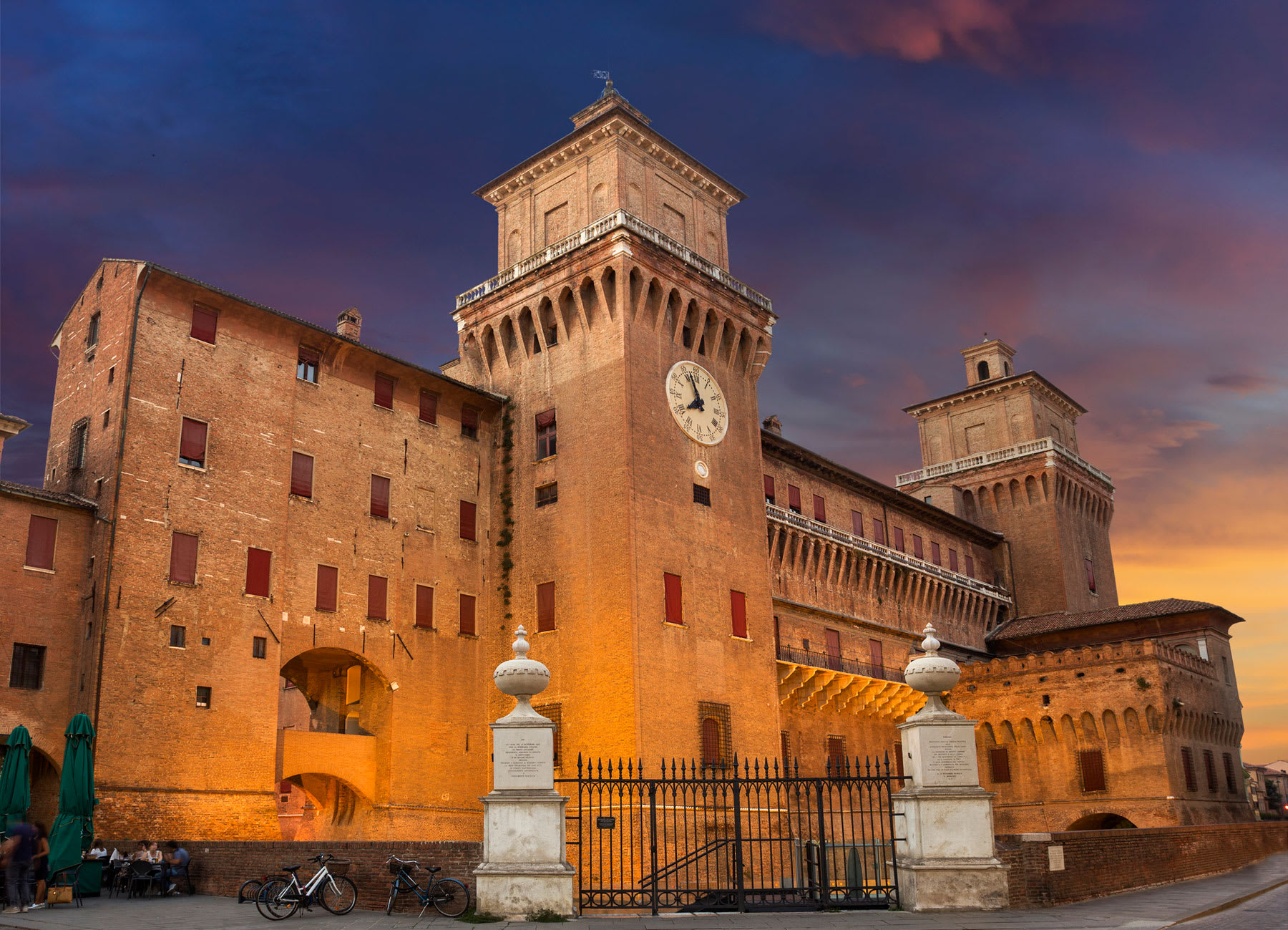
Estense Castle
Ferrara was a major Renaissance power led by the Este Dukes who created a city of wide boulevards and impressive castles. The architecture is striking; from the Diamanti Palace, home to the National Picture Gallery, to the 9 kms of brick walls built in the 15th century that surround the city.
Wikipedia Fun fact: “Ferrara gave birth to Girolamo Savonarola, the famous medieval Dominican priest and leader of Florence from 1494 until his execution in 1498. He was known for his book burning, destruction of what he considered immoral art, and hostility to the Renaissance.”
Parma
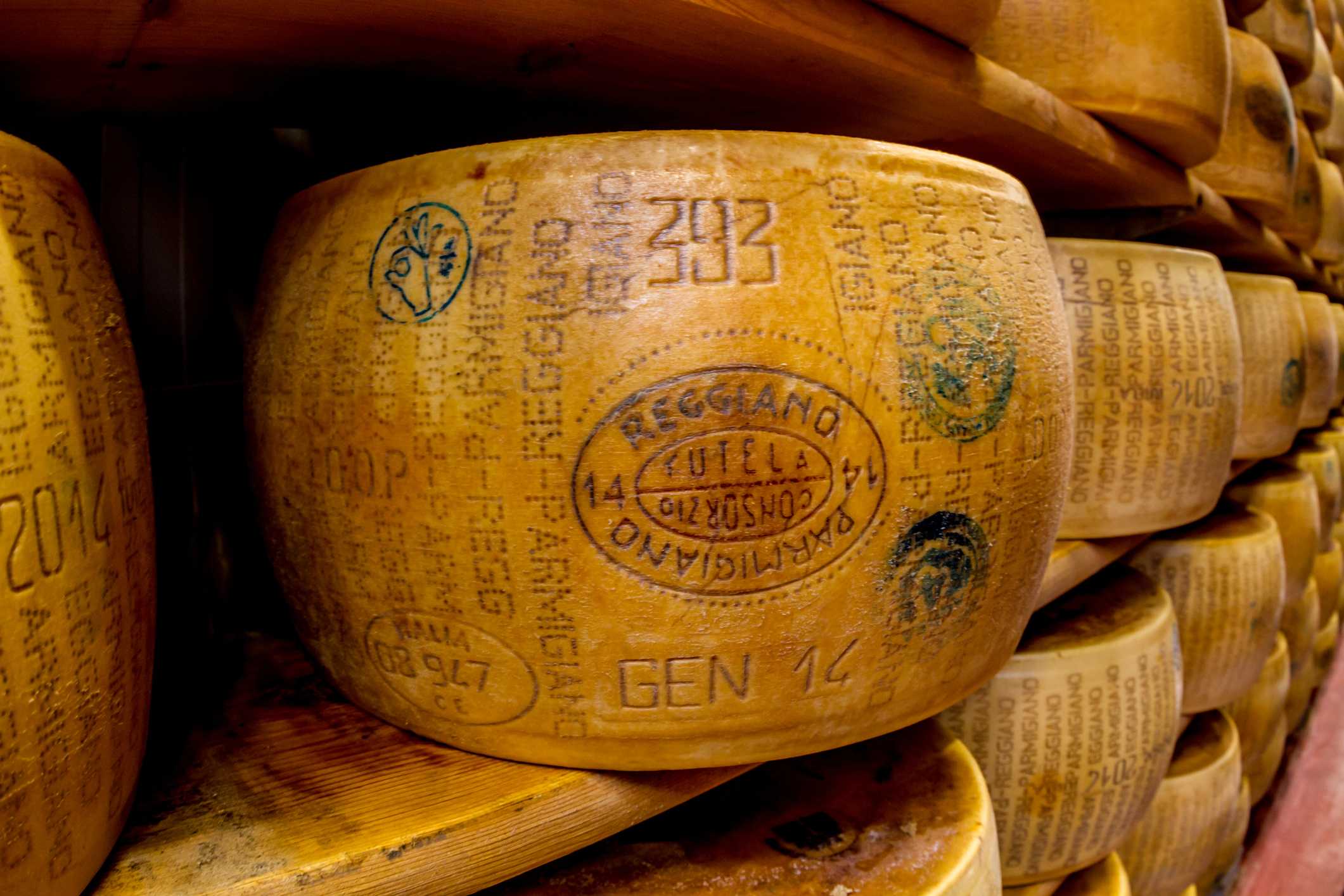
Known for its famous Parmigiano Reggiano cheese and Prosciutto di Parma ham (Yum!!), this city features the University of Parma, one of the oldest in the world, as well as a variety of beautiful Romanesque buildings including the Cathedral, the 12th century Santa Croce church and the Baptistery.
Wikipedia Fun fact: “The Palatine Library houses the largest collection of Hebrew manuscripts in Italy, and the second-largest in the world after the Bodleian Library in Oxford.”
Bobbio
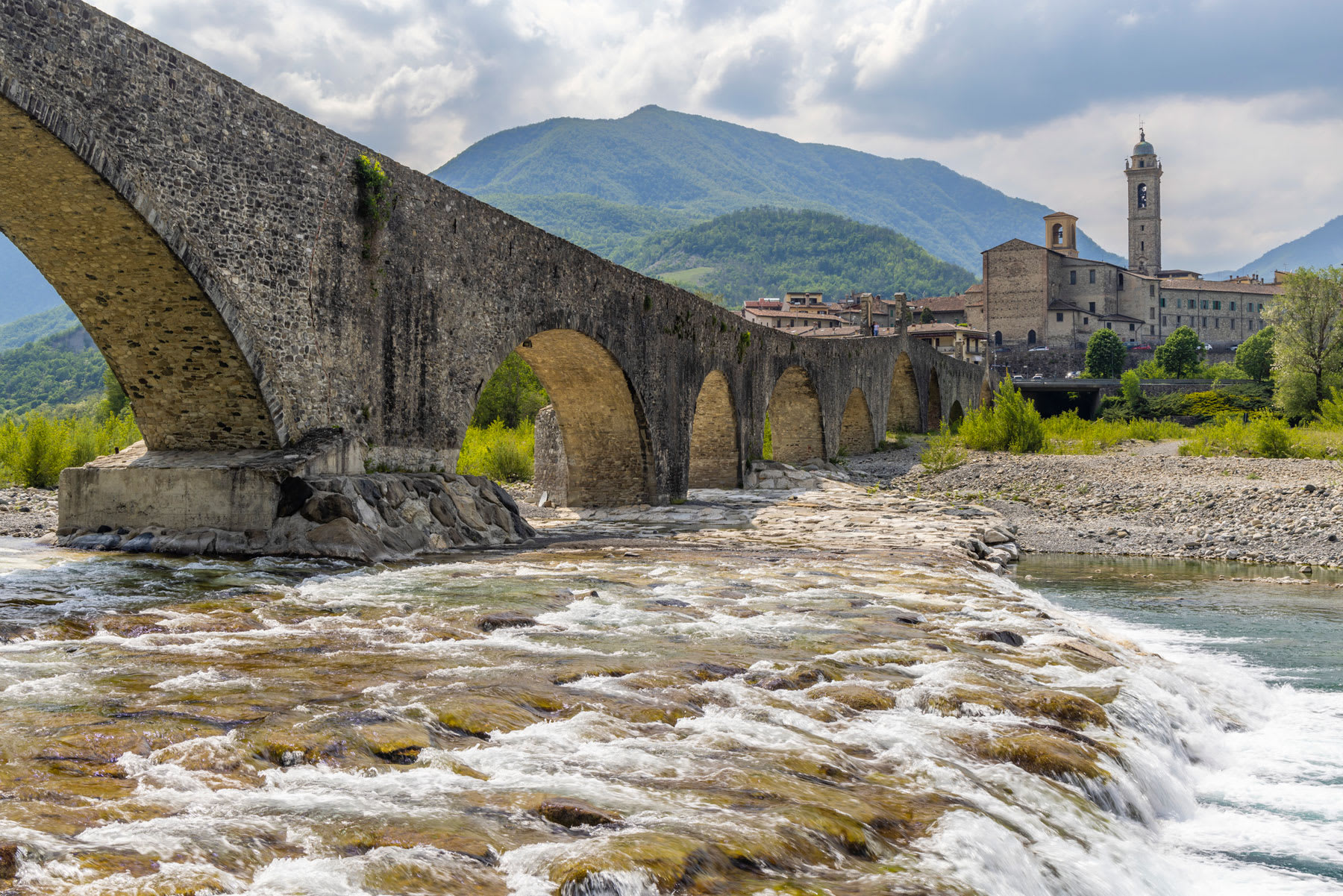
Ponte del Diavolo (Devil Bridge)
Widely considered one of Italy’s most beautiful small villages, Bobbio sits along the shores of the Trebbia River. Its most famous landmark is the Ponte Vecchio, also known as the Hunchback or Devil’s Bridge. Almost 300m long with 11 arches, it is said to be over 1000 years old, perhaps having been constructed by the Romans.
Wikipedia Fun fact: “Recent historical-artistic studies and confirmed scientific hypotheses have shown that the landscape that is the background to Leonardo da Vinci’s Mona Lisa is taken from Bobbio.”
Imperia
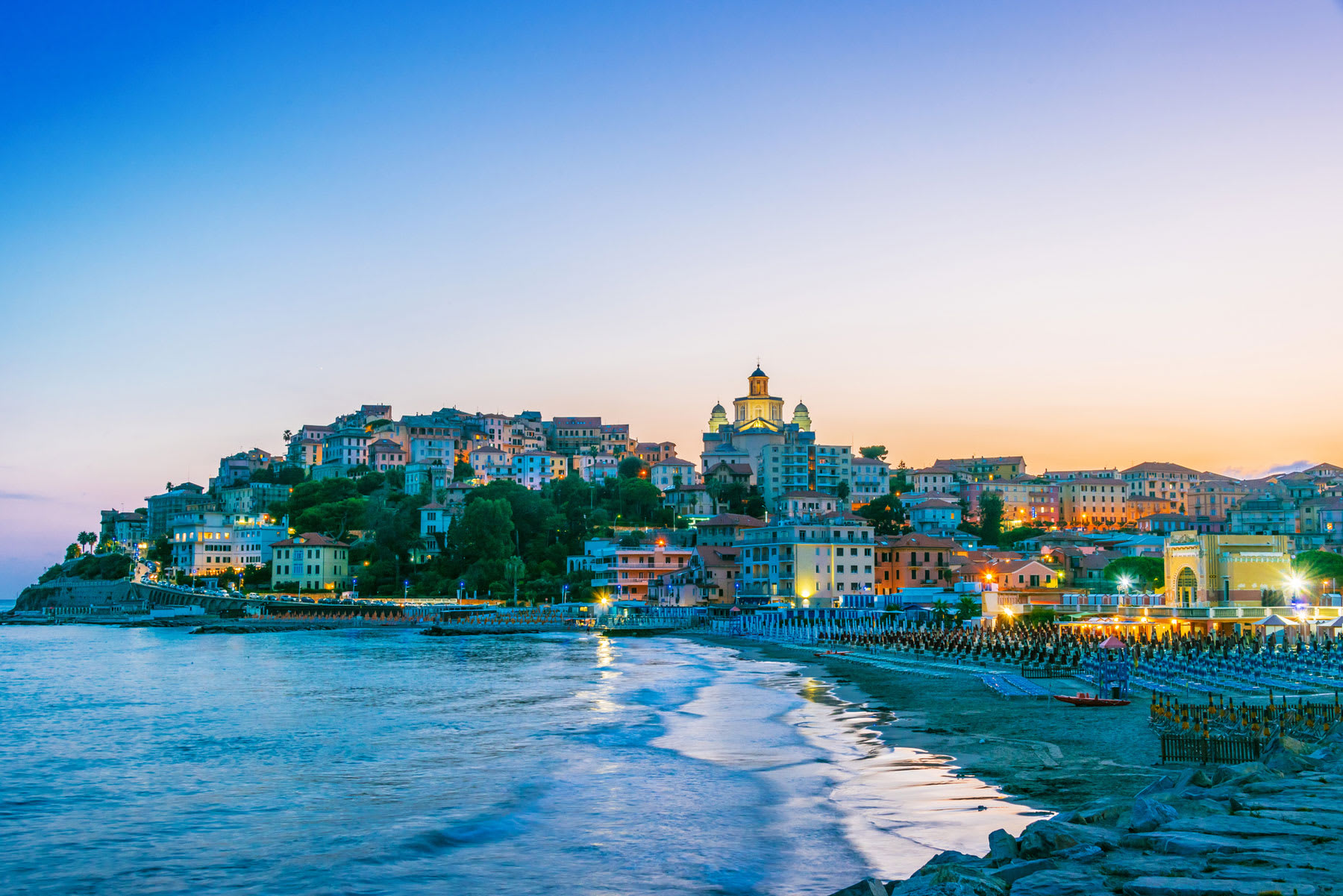
Created by merging Porto Maurizio and Oneglia in 1923, this coastal city covers two sides of the Impero River and is a popular retreat for tourists in the summer months. Porto Maurizio’s narrow lanes and old town feature a large Cathedral and the Convent of Santa Chiara which dates from the 14th century.
Wikipedia Fun fact: “During the Napoleonic Wars Napoleon Bonaparte himself stopped for a night in Porto Maurizio and spent the night on the Parrasio on the third floor of Palazzo Lavagna.”
RELATED
TOUR
Leave a Comment for "Along The Riviera: Hidden Treasures Of The Trans-Europa"