Blog
 REGISTER NOW


Eating Our Way Through Southeast Asia: Constants & Changes in Cuisine On The Bamboo Road
Coby Werlin was the Content Creator on the 2024 Bamboo Road Cycling Tour.
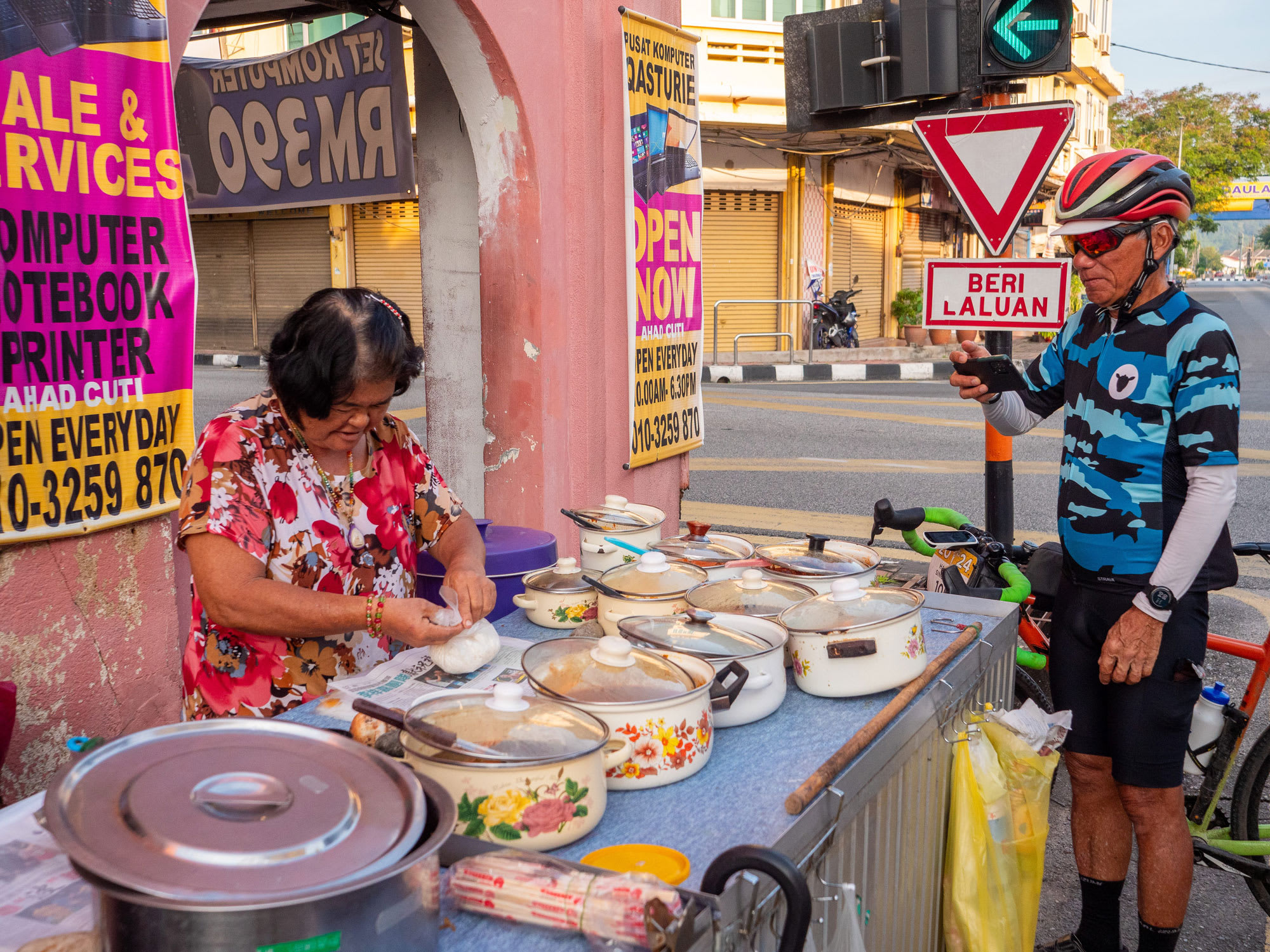
Southeast Asia is a region of the world where food is so much more than just a means of nourishment, it is a way of life. From the tranquil rice paddy fields to the ever-bustling markets, the roadside fruit stands to the fish-drying techniques in front of local homes, there are so many layers to the diverse cuisine culture we’ve seen while cycling throughout Vietnam, Cambodia, Thailand and Malaysia. While some elements stayed the same throughout our journey, others slowly changed, evolved, overlapped and blended as we delved deeper into the region, so let’s dig in!
The Constants
RICE
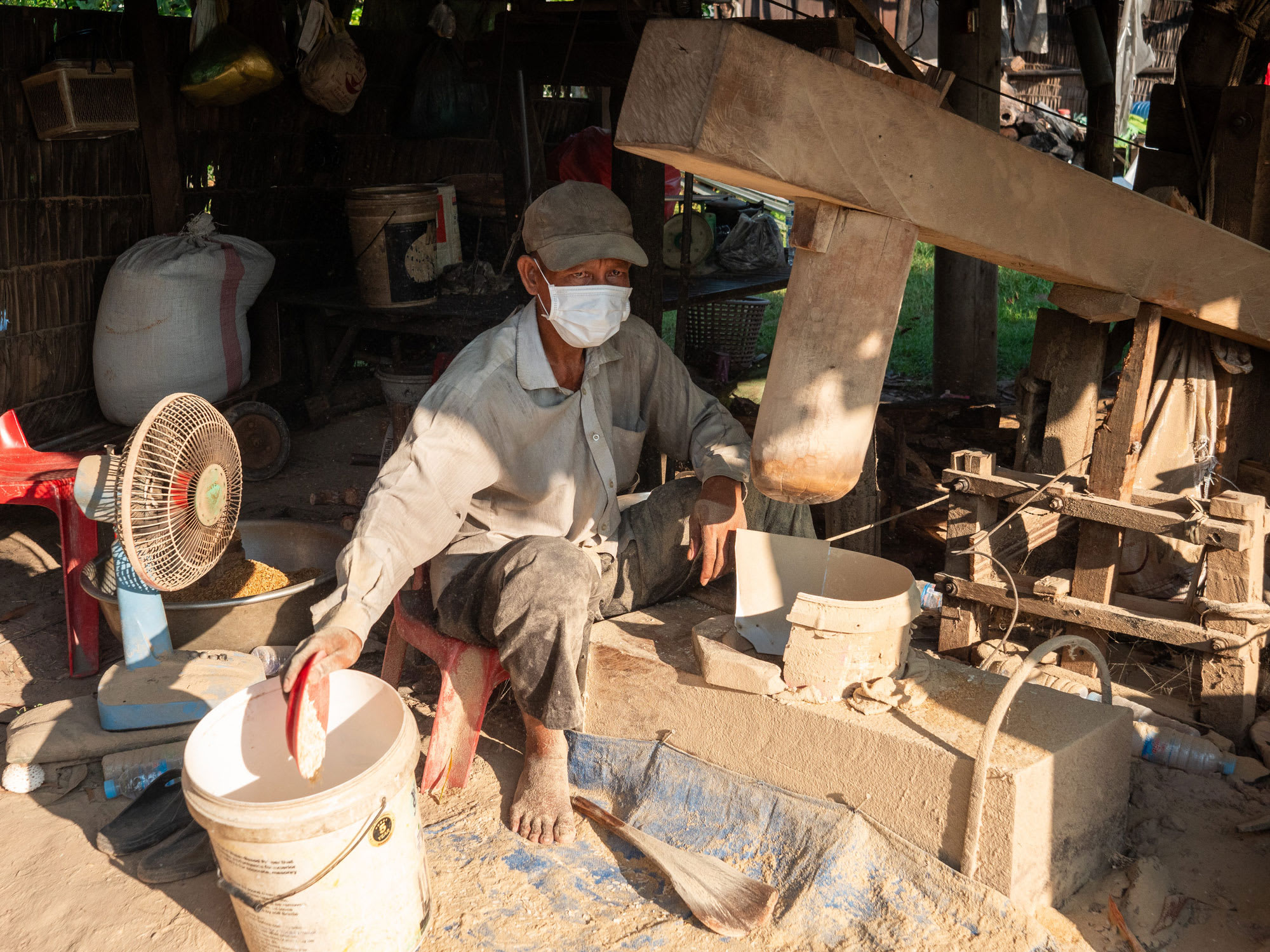
By far, the heart of southeast Asian cuisine is, and always will be, rice. Every single dinner (as well as several breakfasts) revolved around rice – rice stir fry, rice noodles, rice soups, and rice desserts. While cycling, the lush rice paddy fields were such a consistent sight throughout the entirety of the tour, and when we weren’t passing paddy fields, we’d be passing locals spreading rice out in front of their homes to dry, vendors selling sticky rice treats, or even large mortar-&-pestle-style rice-pounding mechanisms to create a sort of rice-cereal mix.
MARKETS
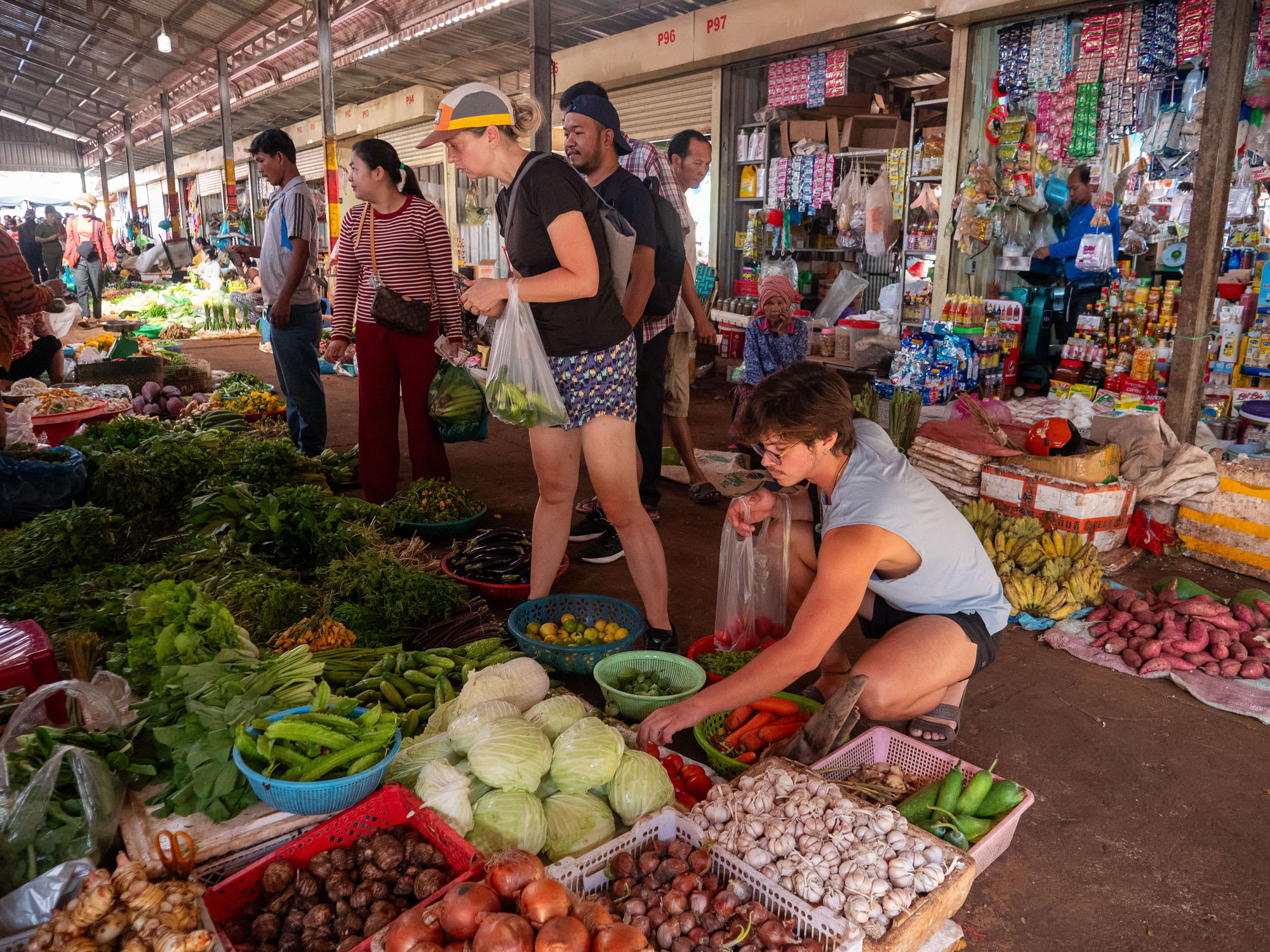
No matter what country, the local markets (both day & night) are always fascinating, bustling spectacles full of vibrant colours, textures, sounds and smells. While at times overwhelming, they are simultaneously exhilarating opportunities to try new things (like edible insects!) or at least experience them as a passerby. The markets are typically split into sections – meats, fish, fruits, vegetables, grains, etc, and are generally easy to navigate, however finding the freshest items as a foreigner can be a bit tricky, so the Bamboo Road crew always enjoyed joining the local support staff at markets to shop for fresh lunch supplies and to soak up the culinary experience.
FRUITS
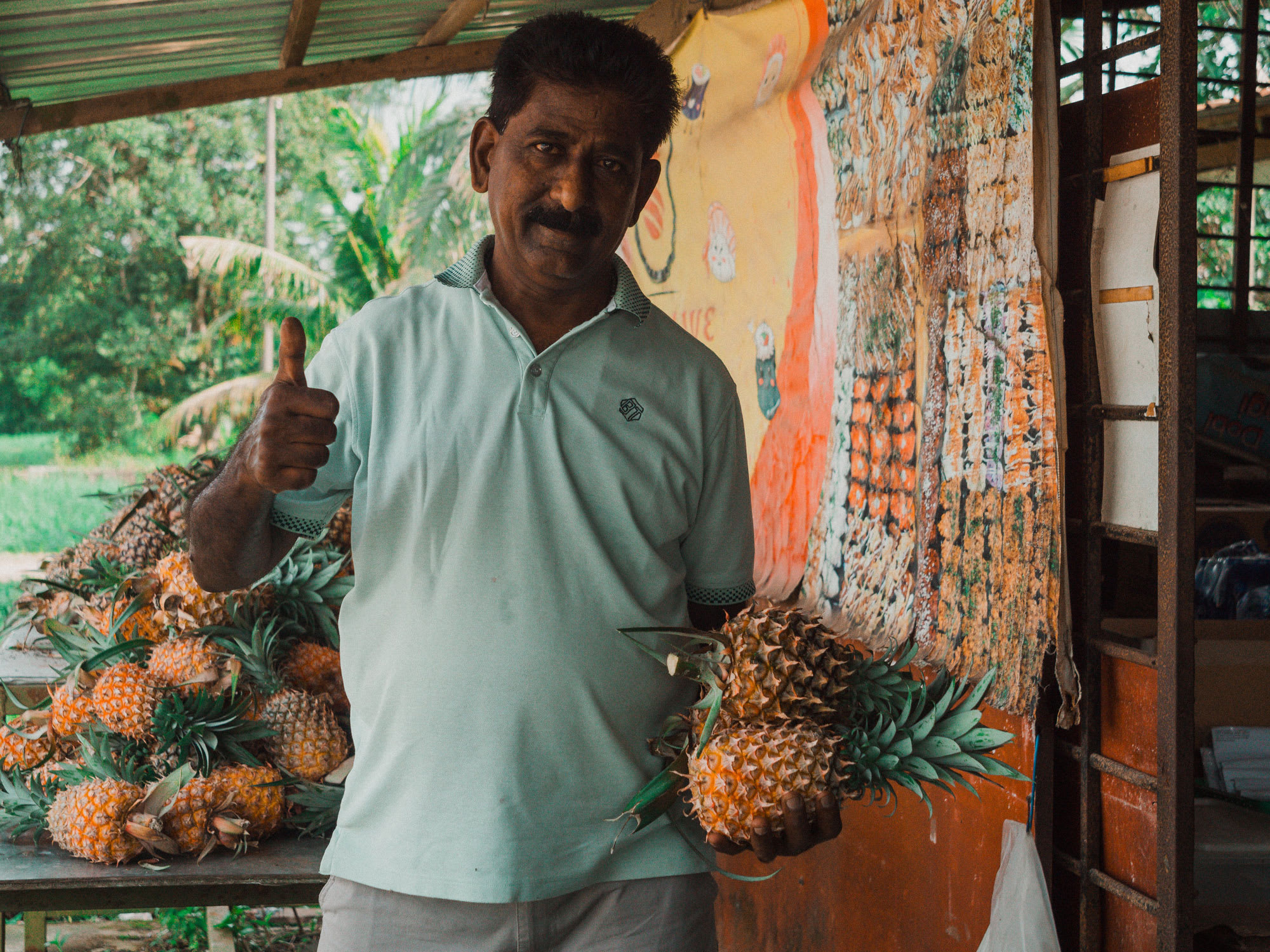
There’s always a vast selection of exotic tropical fruit to choose from – lychee, longan, rambutan, mangosteen, dragonfruit, and of course, the infamous durian – as well as more common pineapples, papayas, watermelon, bananas and more, the list goes on and on and on. Needless to say, each lunch consisted of some spectacular fruit salads, and many of our riding days were spent pedalling through various pineapple fields, potent durian plantations, and vast coconut groves. Coconuts were the perfect refreshment on a hot riding day, and they became so frequent that “coco stops” became the new “coke stop”.
Related Video: Durian Taste Test
The Changes
VIETNAM
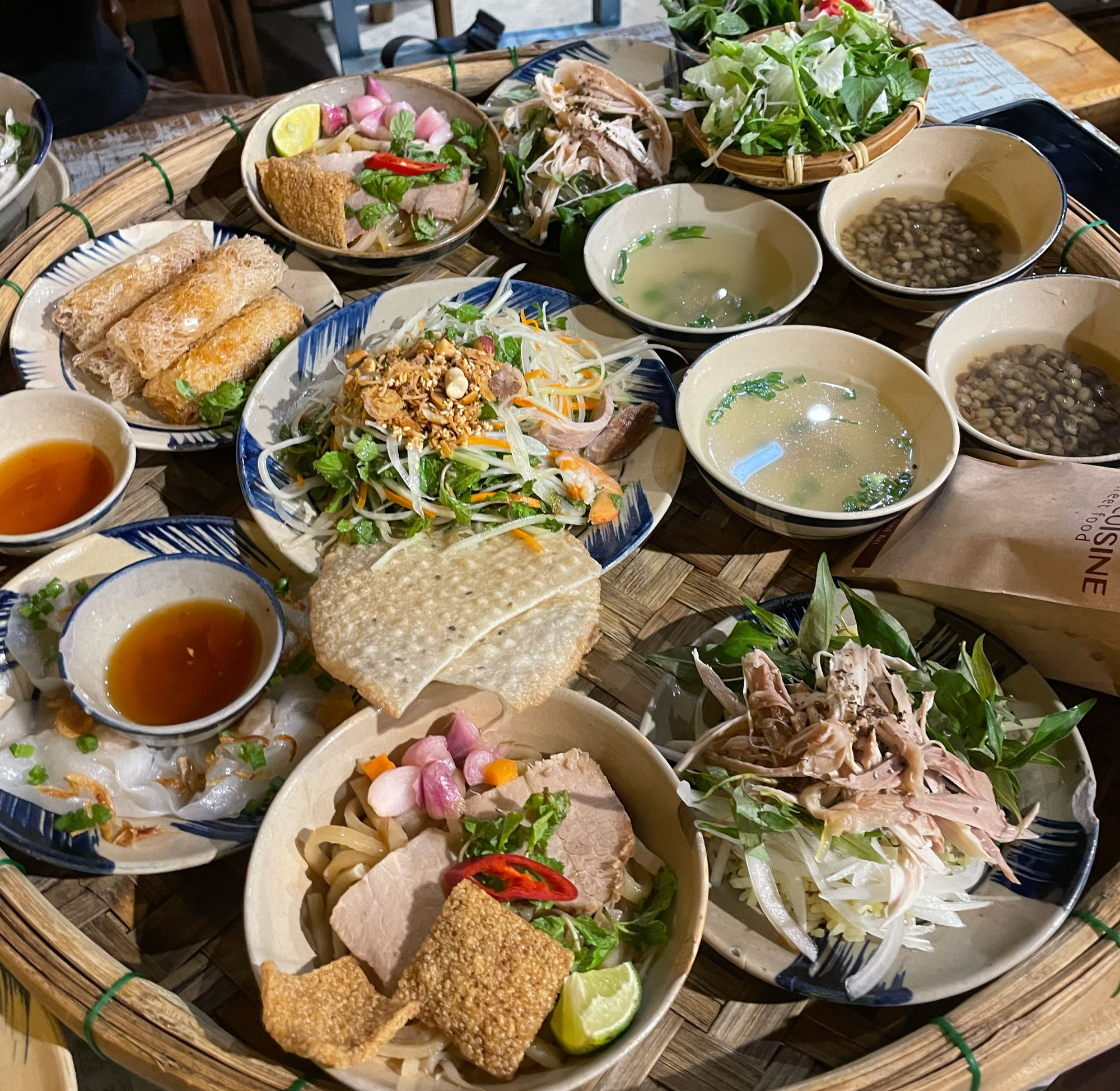
Traditional Vietnamese cuisine, similar to other traditions in Asia, stems from a unique food philosophy based on several “5 elements” (5 flavours: spicy, sour, bitter, salty, sweet, 5 nutrients: powder, water, minerals, protein, fat, and 5 colours: white, green, yellow, red, black), so each dish is meant to be a well-rounded blend of flavourful, plentiful, and colourful. From the very start in Hanoi, we indulged in many amazing phos, bun cha, cao lau (a local dish from Hoi An), bun bo Hue (in Hue!), as well as the country’s French-inspired fusion elements like banh mi and egg coffee. The spice levels were fairly low, and the flavour levels were high!
CAMBODIA
As we moved inland toward Cambodia, many elements and ingredients remained the same as Vietnam, though made in very different styles. The most major difference was that Khmer cuisine dialled up the heat levels ever-so-slightly (though the outside heat was dialled up by quite a bit), and many dishes took on new depths with Khmer spice pastes and the fermented fish paste known as prahok. Some of the French influence still lingered with fresh croissants and baguettes at breakfasts, and flavours of lemongrass, ginger, turmeric and tamarind filled many meals.
THAILAND
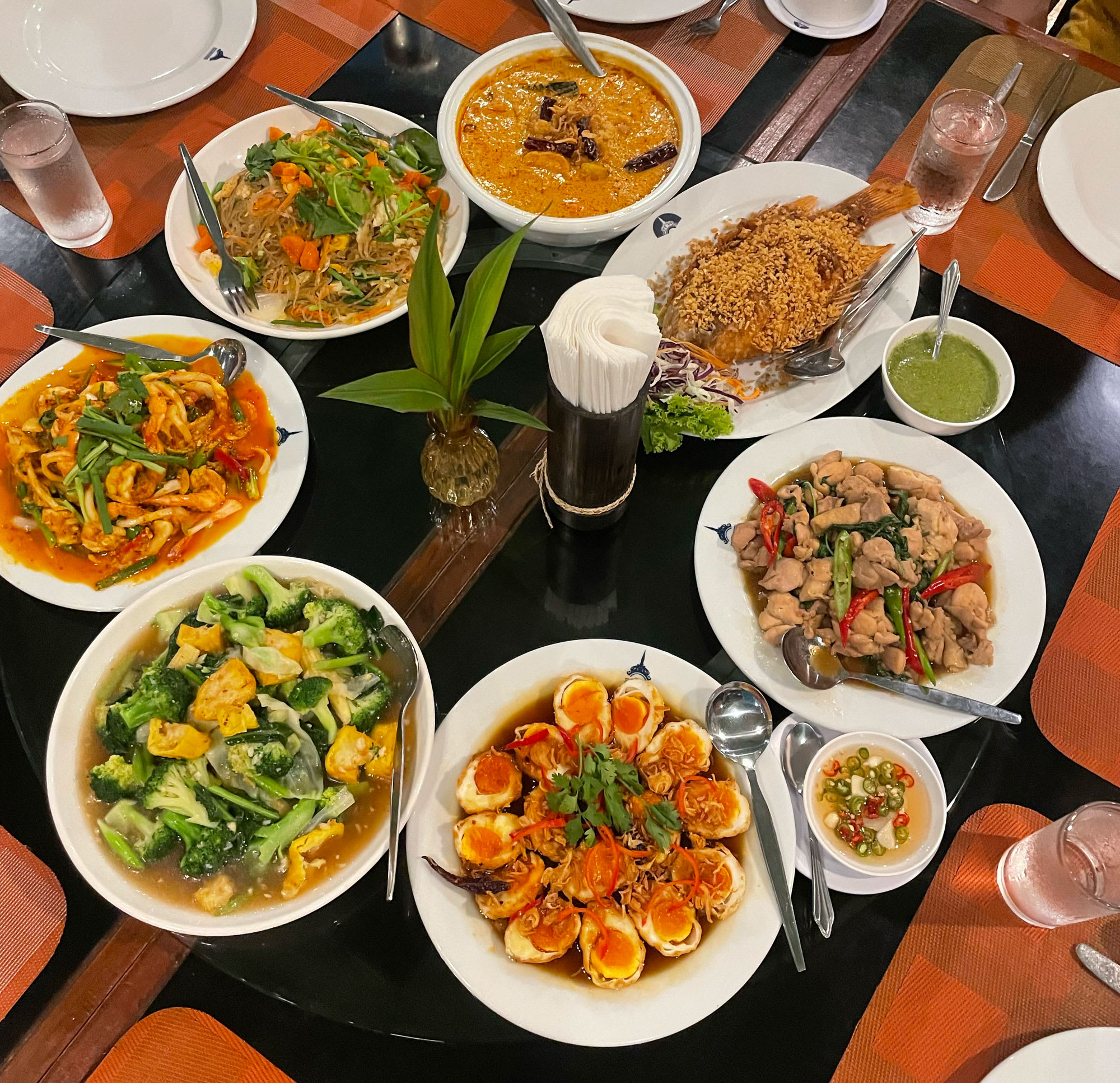
Upon entering Thailand, the influence of western culture became very apparent in many ways, but food was not one of them. Here, the spice levels excelled yet again in a very dramatic direction, emphasizing bold flavours in dishes like papaya salads and spicy coconut-based curries. Of course, we dined on many “pad” dishes (which translate simply as “fried” in Thai) as well, such as pad kra pao, pad kee mao, pad see ew, and of course the tourist favourite, pad thai.
MALAYSIA
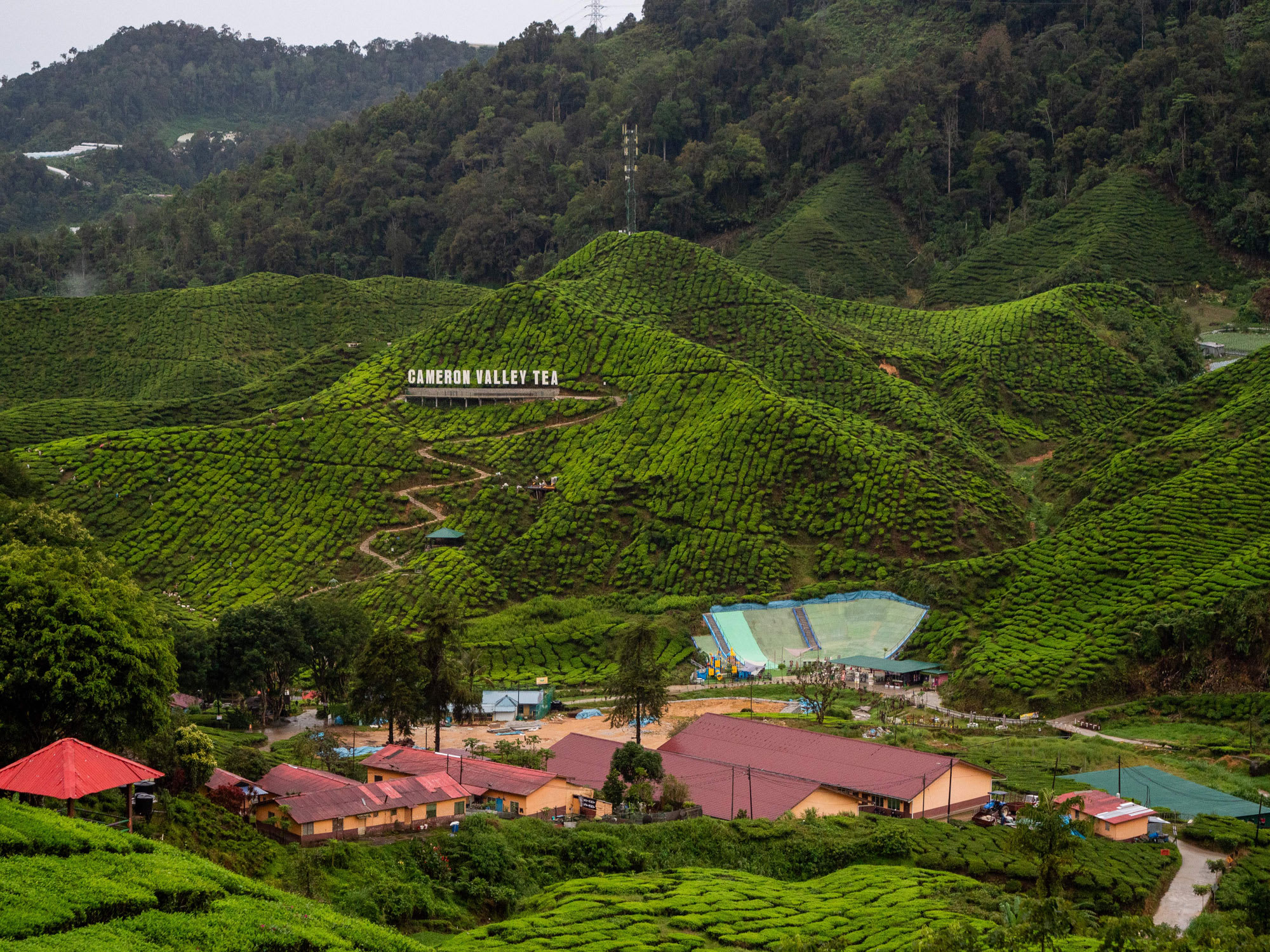
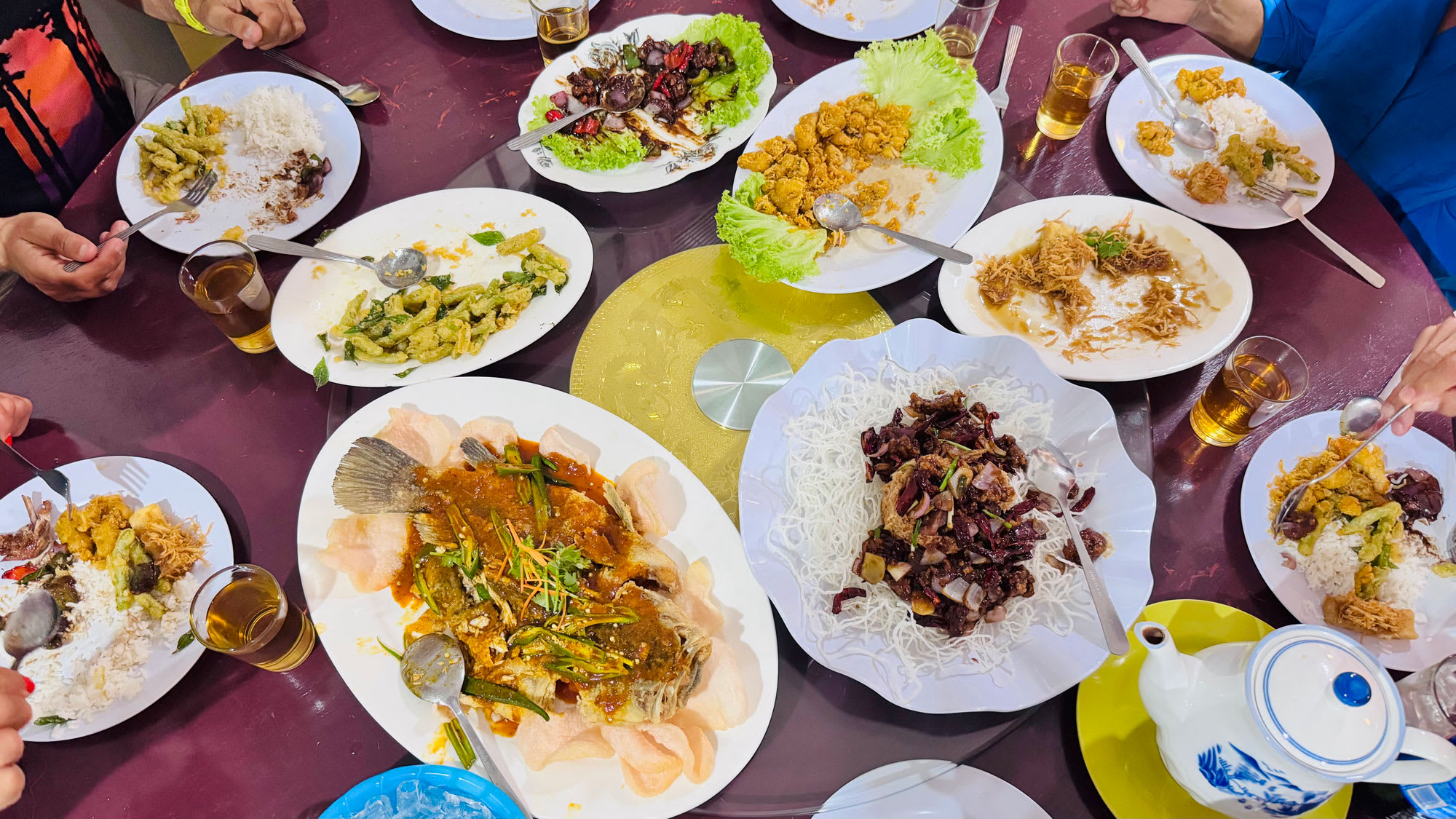
As we crossed into Malaysia, we encountered a unique fusion of flavours shaped by the country’s diverse population of Malay, Chinese and Indian influence. On some days we encountered Indian-inspired biriyani, roti, and dosa, and on others, Chinese dishes like Hainanese chicken, congee, char siu, and Cantonese noodles, or Malaysian Halal-style nasi lemak with sambal, laksa, and a refreshing cendol dessert. We rode high up into the Cameron Highlands, where tea plantations and strawberry fields thrived, and found tea houses that paired with English-style pastries for a nice rest from the riding day before re-encountering the misty hills.
SINGAPORE
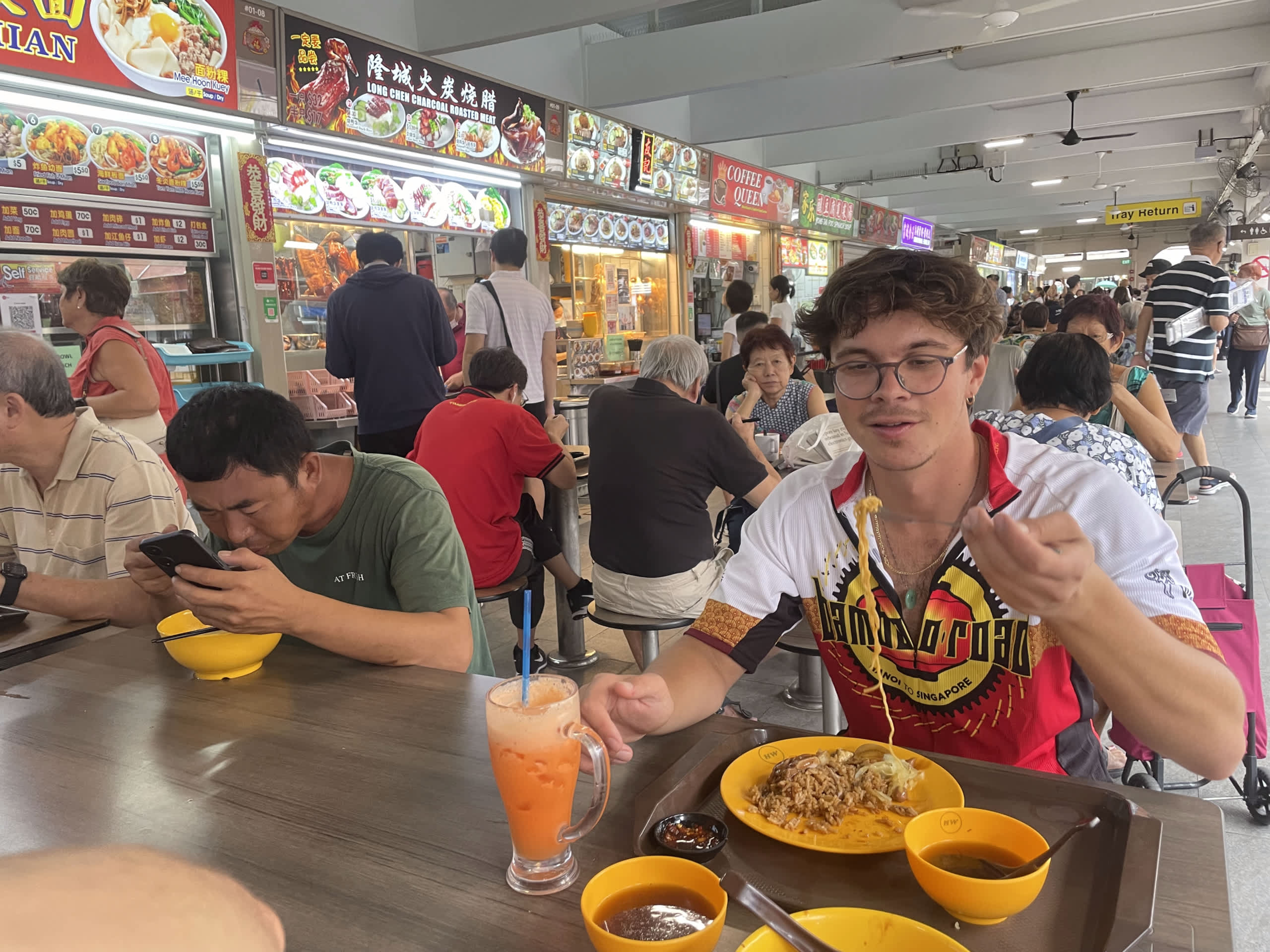
And finally, while our time in Singapore was short, we rode into one of the city-state’s many hawker’s markets for an eclectic mix of Asian fusion meal options, and even enjoyed a fantastic final dinner consisting of Burmese-style cuisine. While Singaporean cuisine feels awfully similar to Malaysian cuisine, it is, like any international city, filled with a multitude of culinary options from all around Asia and beyond.
RELATED
TOUR
Bamboo Road
Many of us have criss-crossed the countries of South-East Asia on a ‘shoestring’ over the years, returning home with fond memories. Now we invite...
Leave a Comment for "Eating Our Way Through Southeast Asia: Constants & Changes in Cuisine On The Bamboo Road"