Blog
 REGISTER NOW


The Bamboo Road: Not The Guidebook Version Of Southeast Asia
One of the most rewarding aspects of riding the Bamboo Road Cycling Tour is that culture arrives unannounced. It’s not staged or scheduled. It sneaks up on you at a roadside stall, a shrine glimpsed on a hill, or a festival you hadn’t expected.
Vietnam: Rituals in rhythm
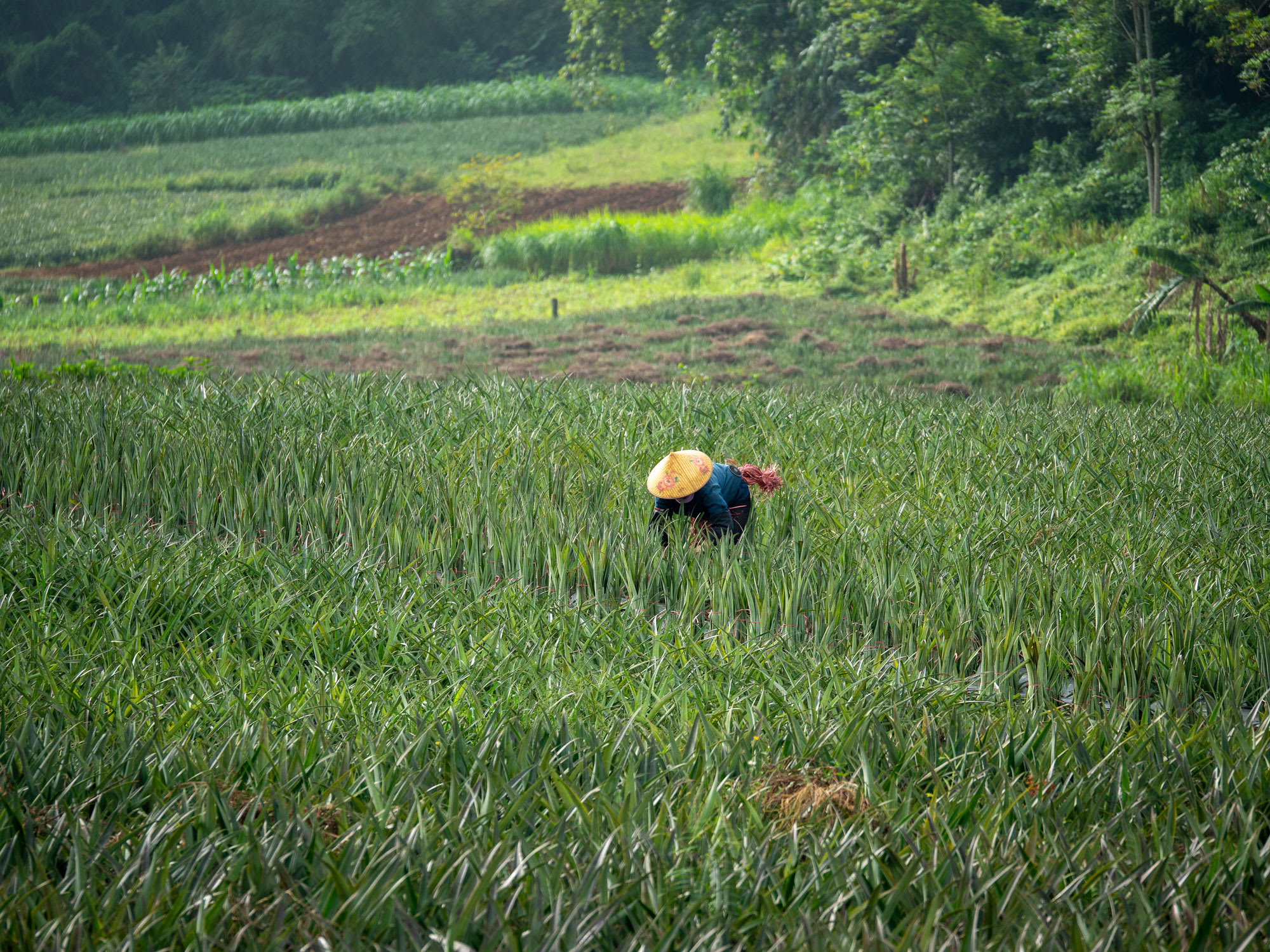
From Hanoi southwards, you’ll notice how rice is not just food but a calendar. In villages near Ninh Binh, children still practice the traditional bamboo dance (múa sạp), a rhythmic clapping of poles on the ground that echoes the planting and harvesting cycle. In Hue, families set lotus-shaped paper lanterns afloat on the Perfume River – offerings to ancestors and prayers for good fortune. The first time I saw it, I thought of a mural I once photographed in Toronto, a painting of paper boats drifting on a stormy wall. Both fragile, both luminous, both easy to miss if you don’t look twice.
Did you know? The bamboo dance (múa sạp) is believed to date back to the Thai ethnic minority in northern Vietnam. It’s performed during festivals and weddings as a symbol of fertility and harmony with the seasons.
Cambodia: The Small Shrines Of The Everyday
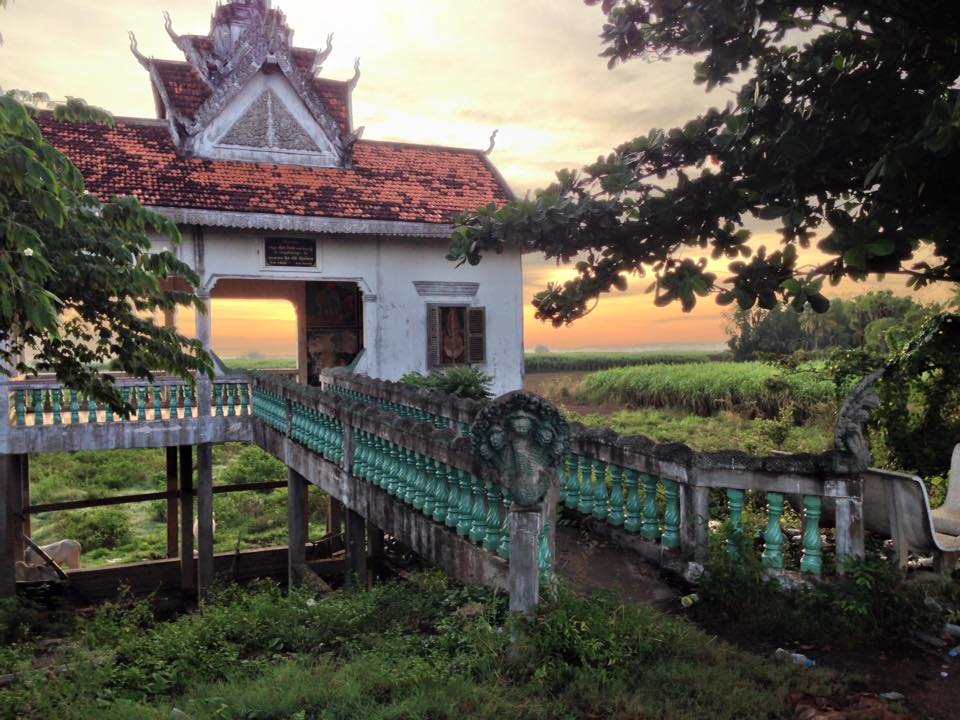
Crossing into Cambodia, the roadside tells a different story. Spirit houses, painted bright and filled with incense, line the roads. Some hold bowls of sticky rice, others a bottle of orange soda. These offerings are meant for protective spirits, a blend of animist and Buddhist traditions that remain woven into daily life. And then there’s the food that appears as suddenly as the shrines. On Cambodian backroads, vendors sell bundles of sticky rice wrapped in banana leaves, grilled until the edges char and the coconut milk inside turns sweet and smoky. Called krolan, it’s simple, filling, and unforgettable -exactly the kind of roadside ritual that fuels both locals and passing cyclists.
Thailand: The Market As Theatre
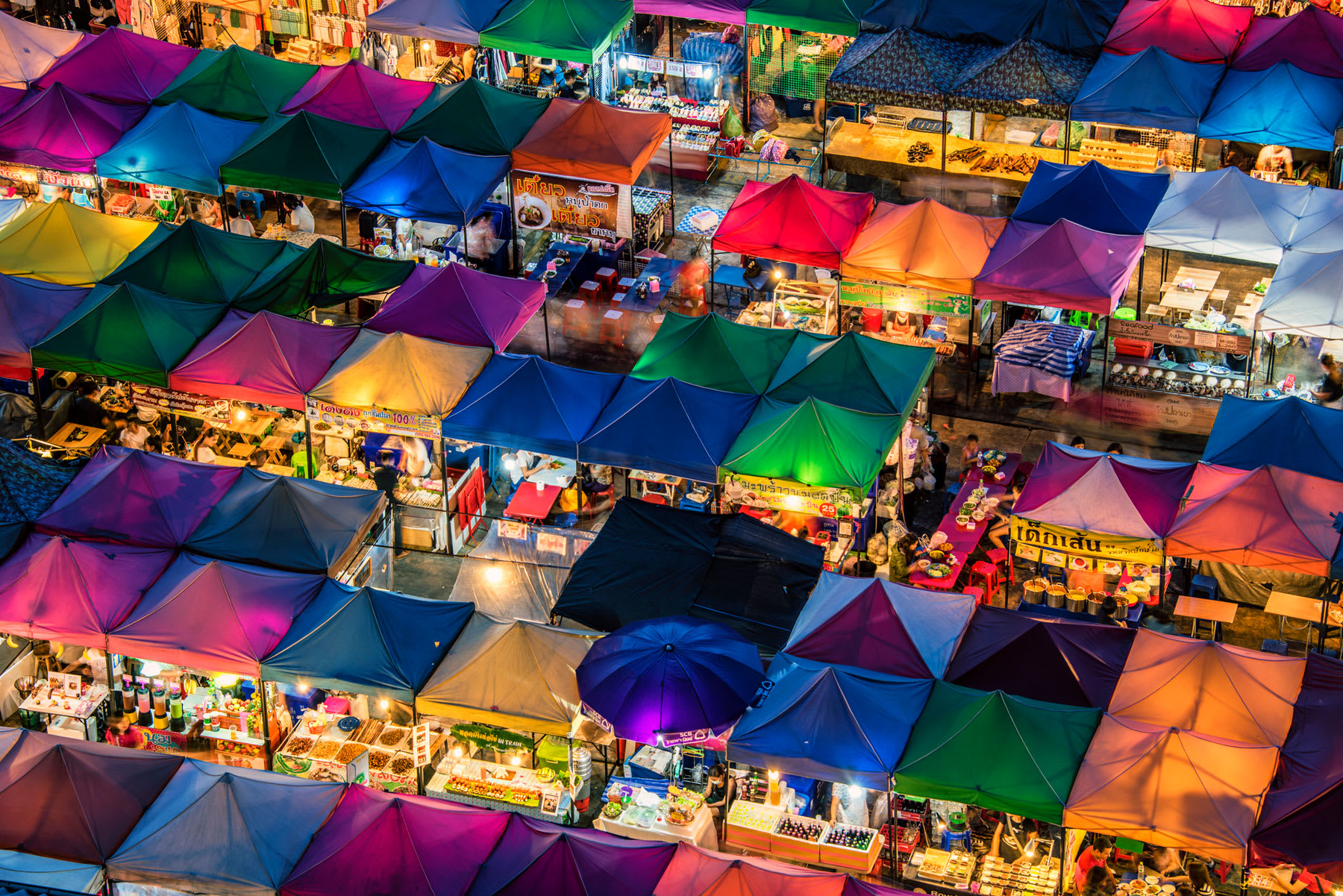
In coastal towns like Ranong or Trang, markets feel like stage sets in constant motion. Rambutan stacked in pyramids, grilled squid on skewers, monks collecting alms at dawn while vendors pause to offer rice before returning to business. On rest days, locals head to the hot springs – communal pools where families soak and chat. For tired riders, it’s recovery; for Thais, it’s ritual.
Did you know? The Thai word talad means market, and almost every town has a night market where food, commerce, and social life overlap. In Ranong, the hot springs are also considered medicinal – locals say the mineral-rich waters help circulation and joint pain.
Malaysia: Crossroads In A Teacup
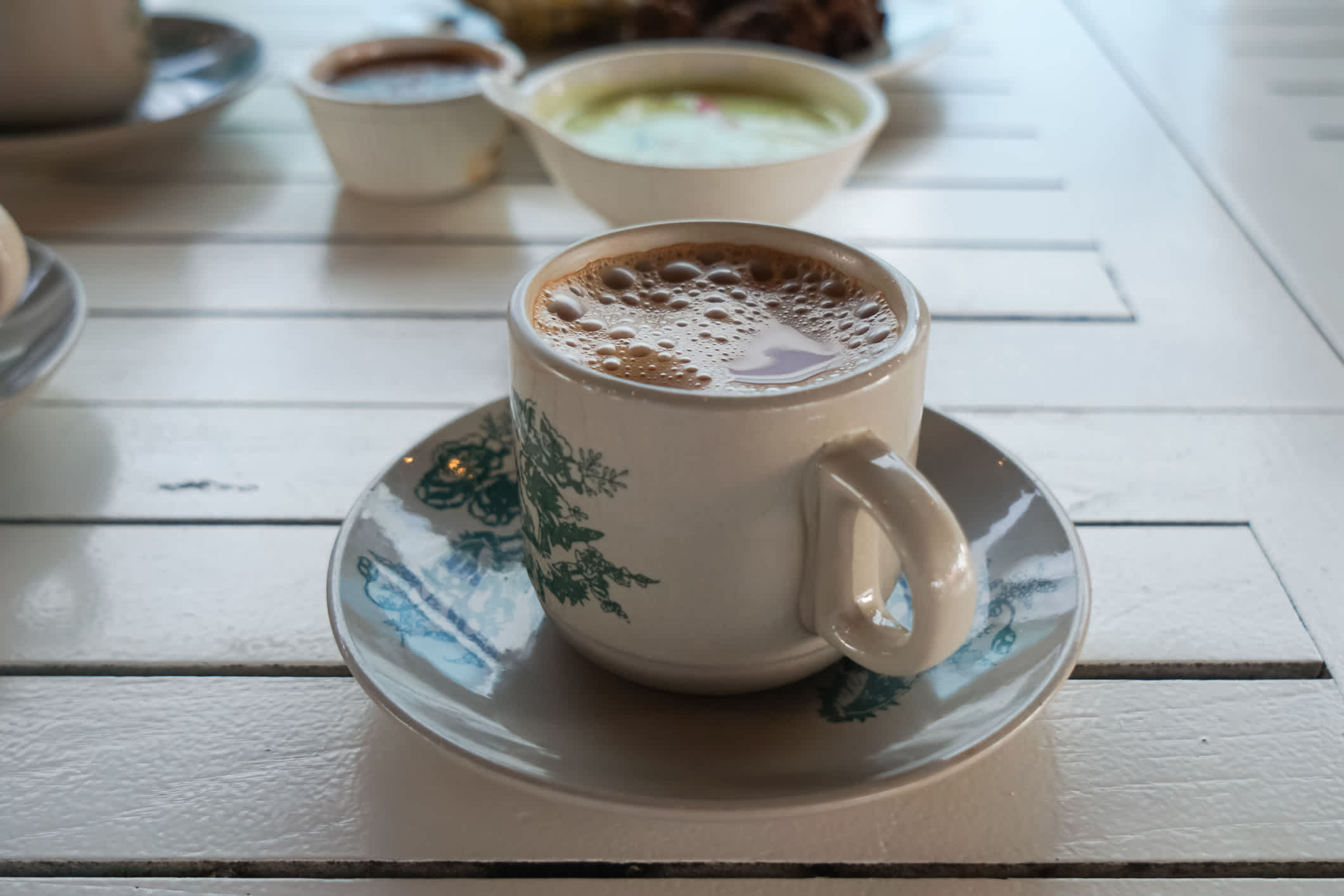
By the time you reach Malaysia, culture becomes layered. In Georgetown, you ride past mosques, Hindu temples, Chinese clan houses, and colonial architecture – all within a few blocks. Even a glass of teh tarik, “pulled tea,” carries that complexity: the Malay name, Indian method, Chinese enamel cups. Watching a street vendor stretch it high between two tins is performance, history, and hospitality at once. Here, in Toronto, I often chase these same intersections – where styles, languages, and traditions overlap. The Bamboo Road is a similar collage, painted not on walls but in daily rituals.
Did you know? Teh tarik (“pulled tea”) is Malaysia’s national drink. It’s made with strong black tea and condensed milk, poured back and forth to cool it and create froth. The style originated with Indian Muslim traders in the 20th century.
Singapore: Where Tradition Meets Tomorrow
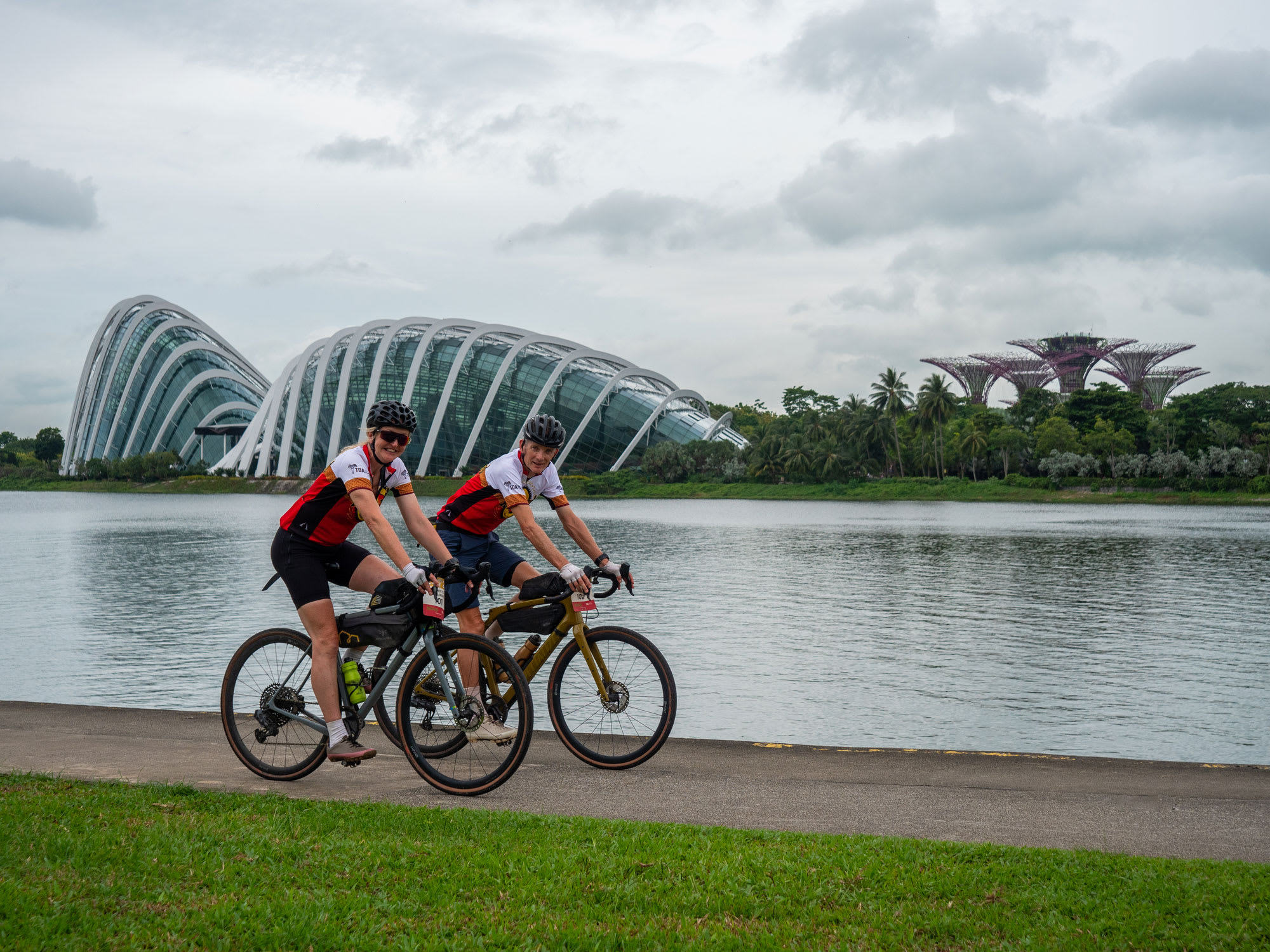
Singapore marks the grand finale of the Bamboo Road, where tradition and futurism meet in dazzling harmony. From the bustling hawker centres serving flavours from across Asia to the towering, glowing SuperTree Grove at Gardens by the Bay, every corner invites awe and exploration. Cycling through its clean, efficient streets, you experience both the pulse of a global metropolis and the charm of a city that celebrates its rich cultural heritage – a fitting crescendo to the Bamboo Road adventure. Singapore’s food scene is a cultural treasure trove. Hawker centres serve an incredible mix of Chinese, Malay, Indian, and Peranakan dishes, all bursting with flavour and history – cycling through the city, stopping for a plate of laksa or Hainanese chicken rice feels like tasting the heart of Singapore itself.
RELATED
TOUR
Bamboo Road
Many of us have criss-crossed the countries of South-East Asia on a ‘shoestring’ over the years, returning home with fond memories. Now we invite...

Leave a Comment for "The Bamboo Road: Not The Guidebook Version Of Southeast Asia"