Blog
 REGISTER NOW


The Cities Along The Road To Valhalla
Vikings travelling along the Road to Valhalla would be utterly shocked to see the fascinating urban centres that now dot the route. In those days, there were no real towns, just the occasional group of farms. What travel did take place was for trade, for battle, for socializing – certainly not for tourism – and the roads were nothing more than footpaths.
Let’s discover what our modern-day Vikings will find along their own Road to Valhalla!
Helsinki, Finland
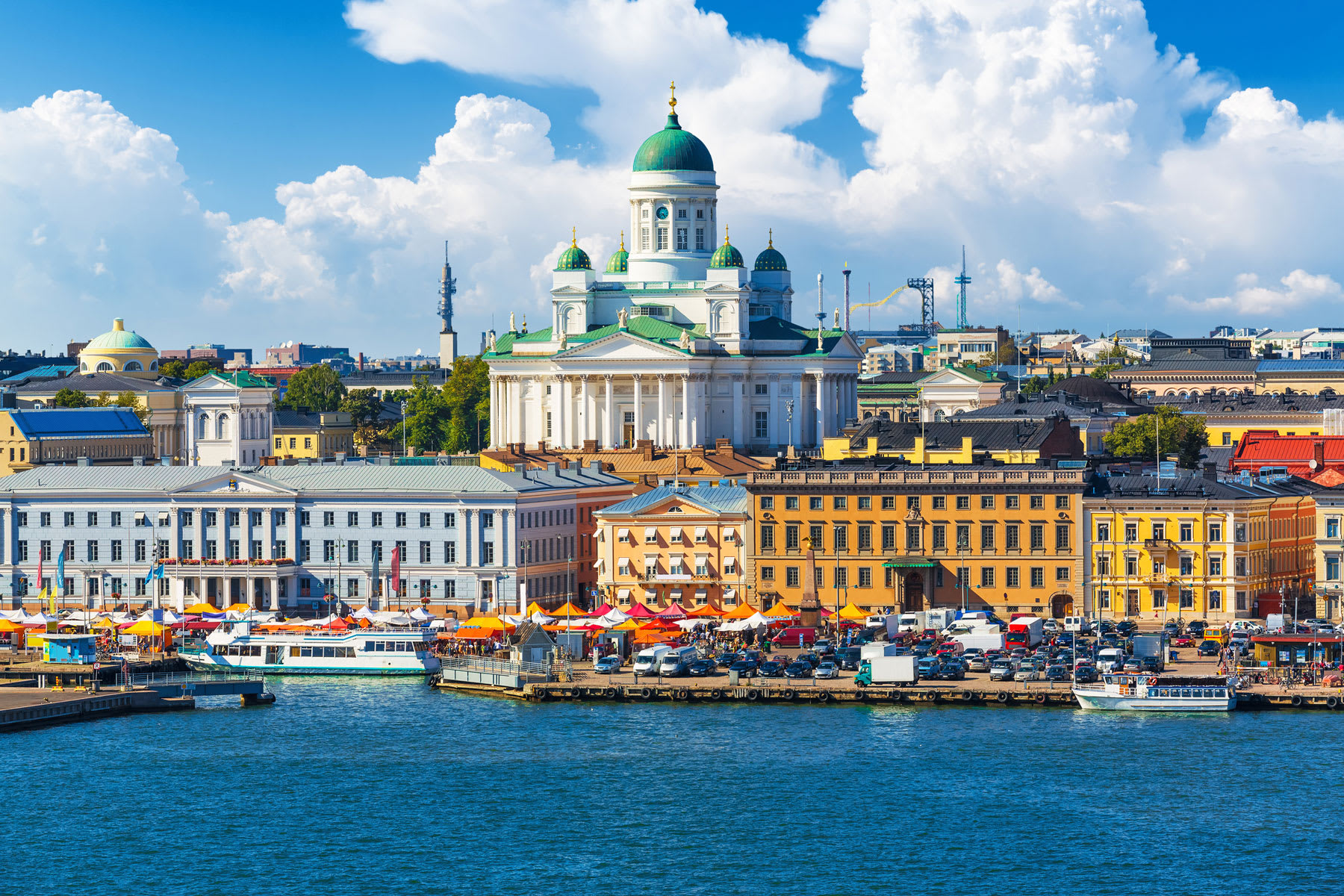
Known as the “Pearl of the Baltic’, Helsinki is over 500 years old and is the capital of the world’s happiest country! A busy port, both passenger and freight, the harbour plays an important role in the city’s history, illustrated by its famous herring market which has been around since 1743. Helsinki features some wonderful Art Nouveau architecture as well as a number of museums including the National Museum of Finland and the Kiasma Contemporary Art Museum.
Atlas Obscura Highlight – The Roots of the City: “Hundreds of signs pointing to the birthplaces of current Helsinki residents dangling from stalactites on the ceiling of the cave-like Kamppi metro station.”
Turku, Finland
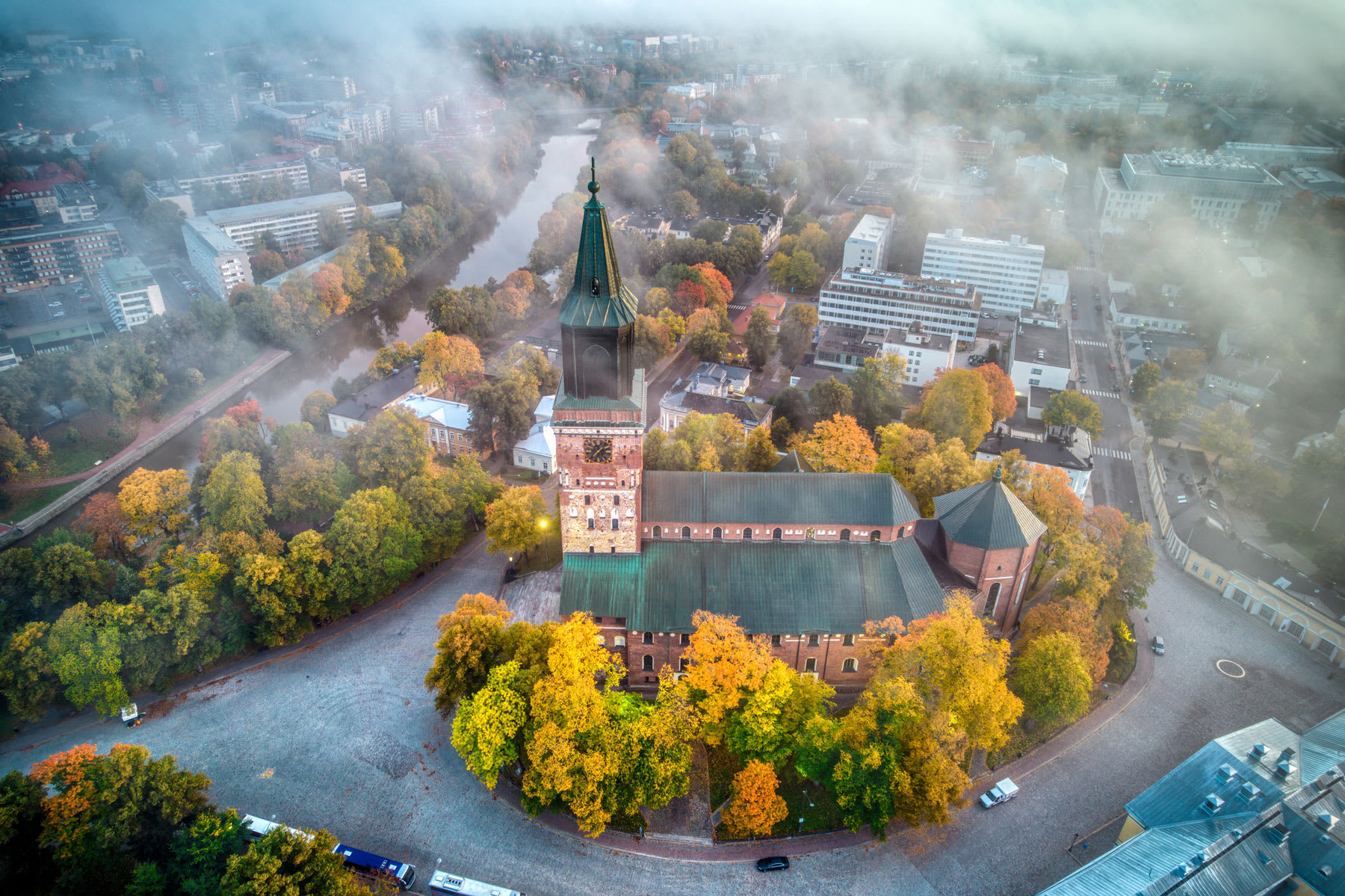
The charming city of Turku is Finland’s oldest, being mentioned in Al-Idrisis’s famous 1154 atlas, the Tabula Rogeriana. It is an important port city with a famous fish market and sits on the shores of the Baltic Sea. The Aura river runs through its centre, spanned by 10 bridges and a free ferry service for cyclists. It is known as the ‘Paris of Finland’ for its amazing food culture and also features the imposing Turku Cathedral and medieval Turku Castle.
Atlas Obscura Highlight – Posankka – Pigduck of Turku: “The sculpture is meant to be both a criticism of modern gene technology and a representation of the supposed conflict between popular culture and high culture.”
Stockholm, Sweden
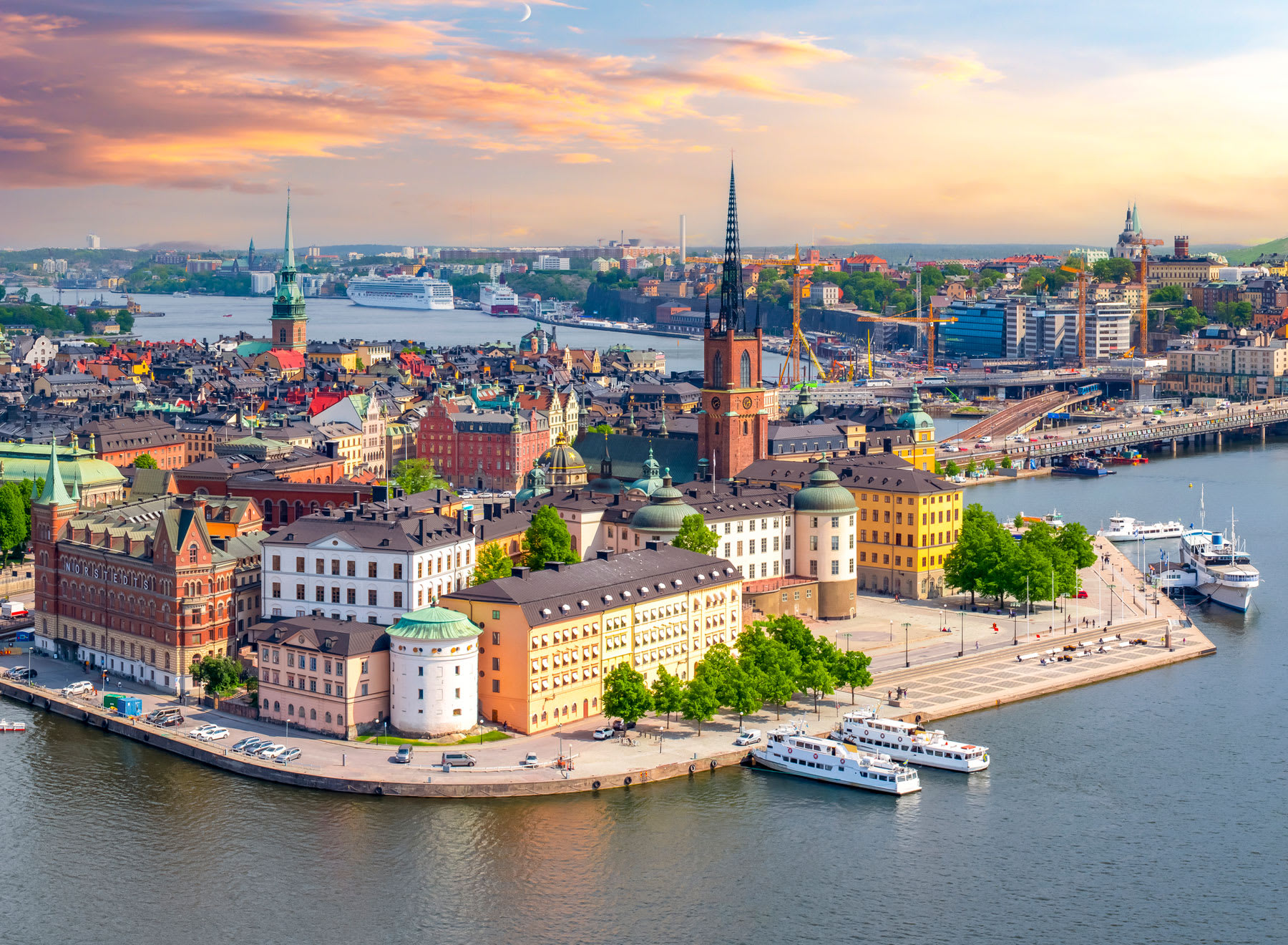
The beautiful city of Stockholm is the capital of Sweden and one of the greenest/cleanest cities in the world. About 1/3 of its area is parks and green spaces while another 1/3 is waterways. It is situated on an archipelago of 14 islands connected by 50 bridges and numerous ferries. Highlights include the historic Gamia Stan (old town), the Vasa Maritime Museum, stunning art in the Metro stations and the Nobel Museum. Oh, and best of all, an interactive ABBA museum!
Atlas Obscura Highlight – Birthplace of the Stockholm Syndrome: “The robbery at Norrmalmstorg in 1973 took an unexpected turn when the hostages started sympathizing with their captors.”
Gothenburg, Sweden
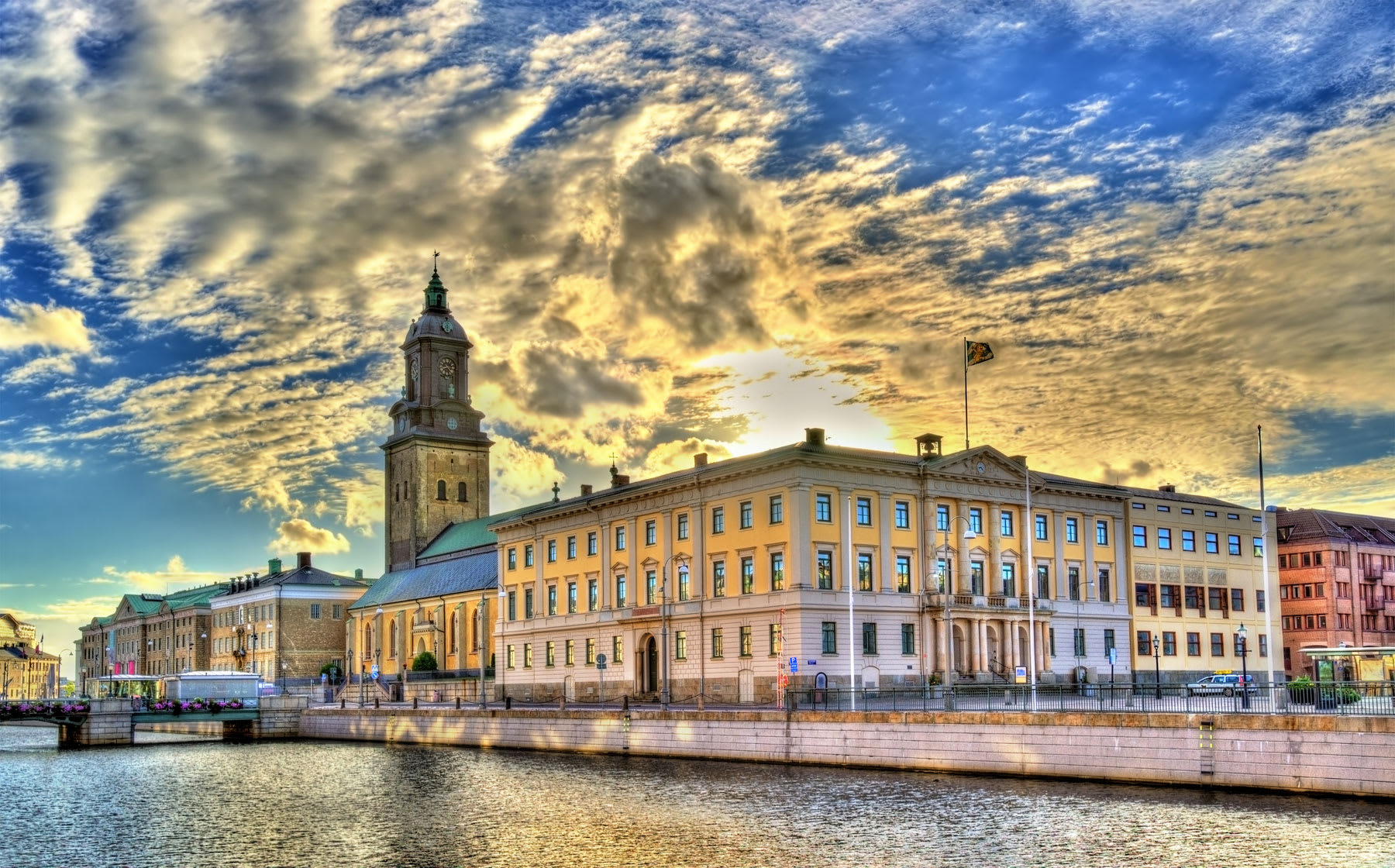
Perched on the shores of the Skagerrak Strait, Gothenburg is a busy port city, given its access to the North Sea and Atlantic Ocean. It is a charming, walkable city known for its picturesque canals, parks and boulevards. Its Botanical Garden is one of Europe’s most important and the city’s main street, Avenyn (The Avenue), is lined with cafes, shops and restaurants, the latter serving some incredibly fresh seafood.
Atlas Obscura Highlight – Slottsskogen Pacifier Tree: “There are no signs to indicate what, when, who, or why this unusual creation came about, but it is a pleasant surprise in a marvellous park.”
Oslo, Norway
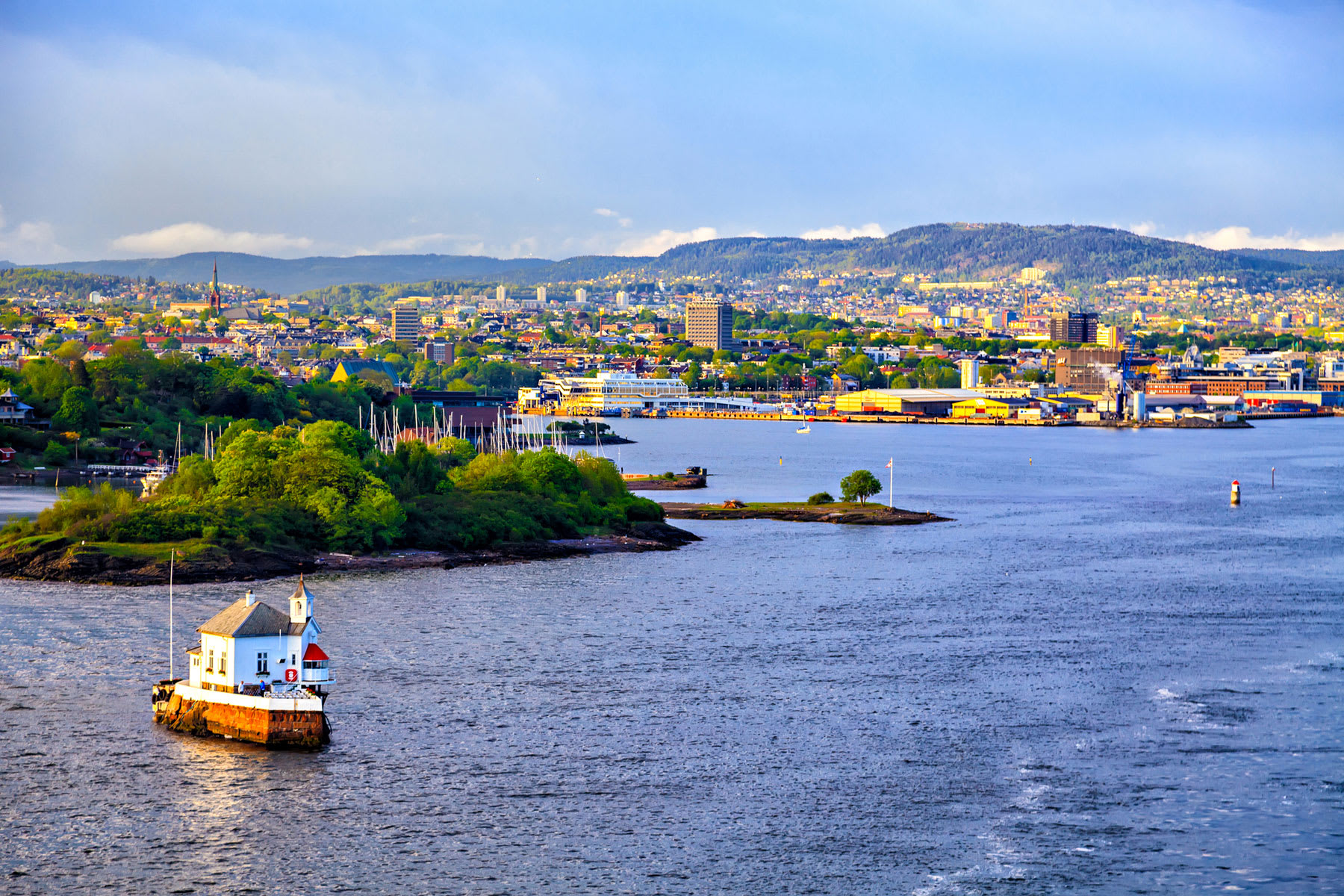
Founded at the end of the Viking Age in 1040, Oslo is the capital of Norway and is widely known as the ‘City of Museums’. The best known of these is the Viking Ship Museum, featuring 3 boats from the 9th century. In addition, there is the Munch Museum including the famous painting ‘The Scream’, the Kon-Tiki Museum featuring Thor Heyerdahl’s Kon-tiki and Ra II and many, many more. The city is also very environmental with 2/3 of the land being protected areas.
Atlas Obscura Highlight – Donald Trump Bench: “The Norwegian capital’s tributes to American political figures are usually grand and symbolic—Abraham Lincoln, Franklin D. Roosevelt, and George Marshall all have statues and memorials. But what about Donald Trump? He has a bench at the bus station.”
Stavanger, Norway
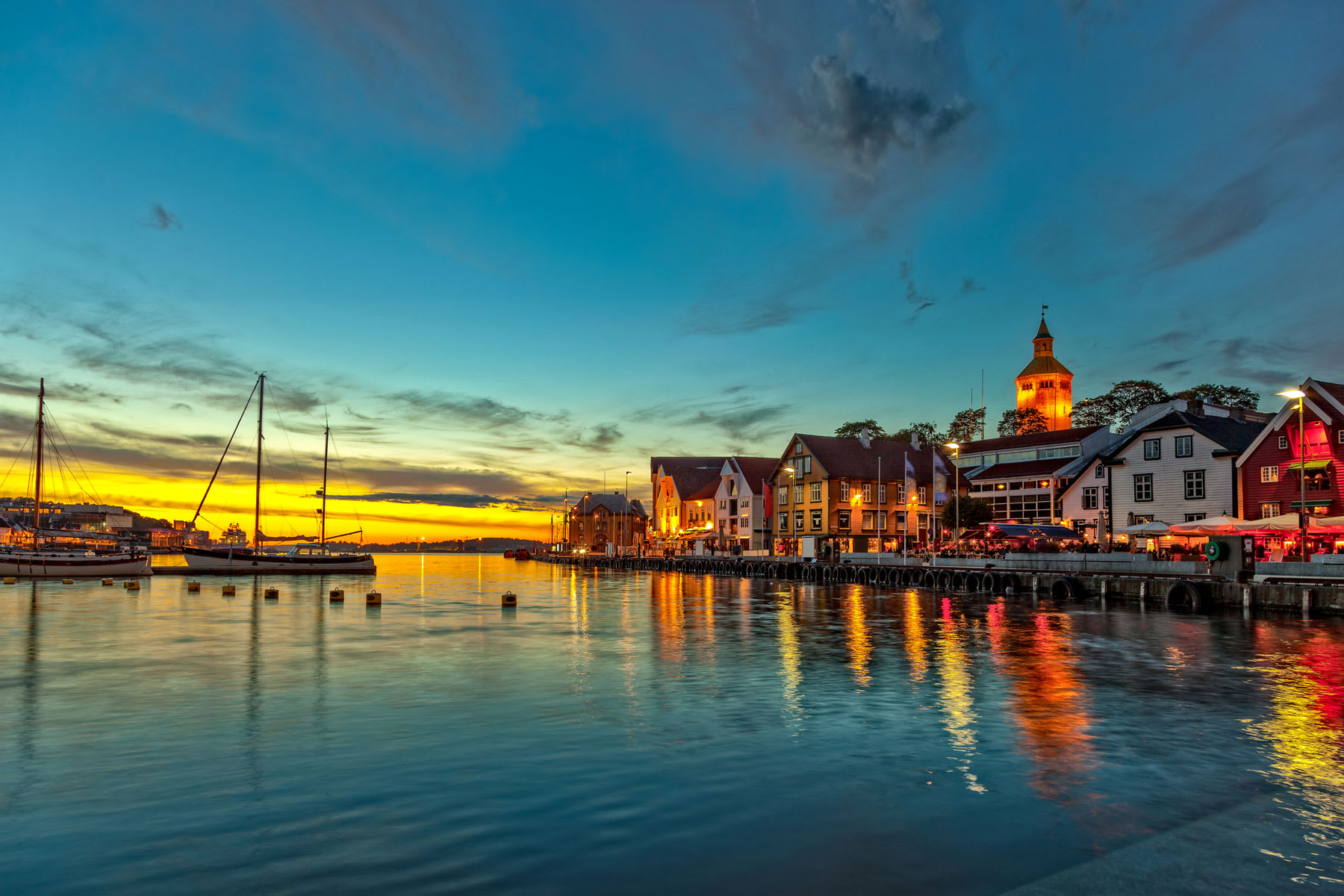
Once known as the ‘Canned Capital’ for its fishing industries, Stavanger is now Norway’s ‘Oil Capital’ but there are museums dedicated to both industries in town – the Petroleum and the Canning Museums. The city is famous for its historic Gamle neighbourhood featuring hundreds of restored wooden houses and the colourful street, Ovre Holmegate, with its brightly painted buildings. Other highlights include a 12th century cathedral and a vibrant street art community.
Atlas Obscura Highlight – Sverd I Fjell: “Monuments don’t get much more metal than these three giant Viking swords planted in a Nordic hill.”
Bergen, Norway
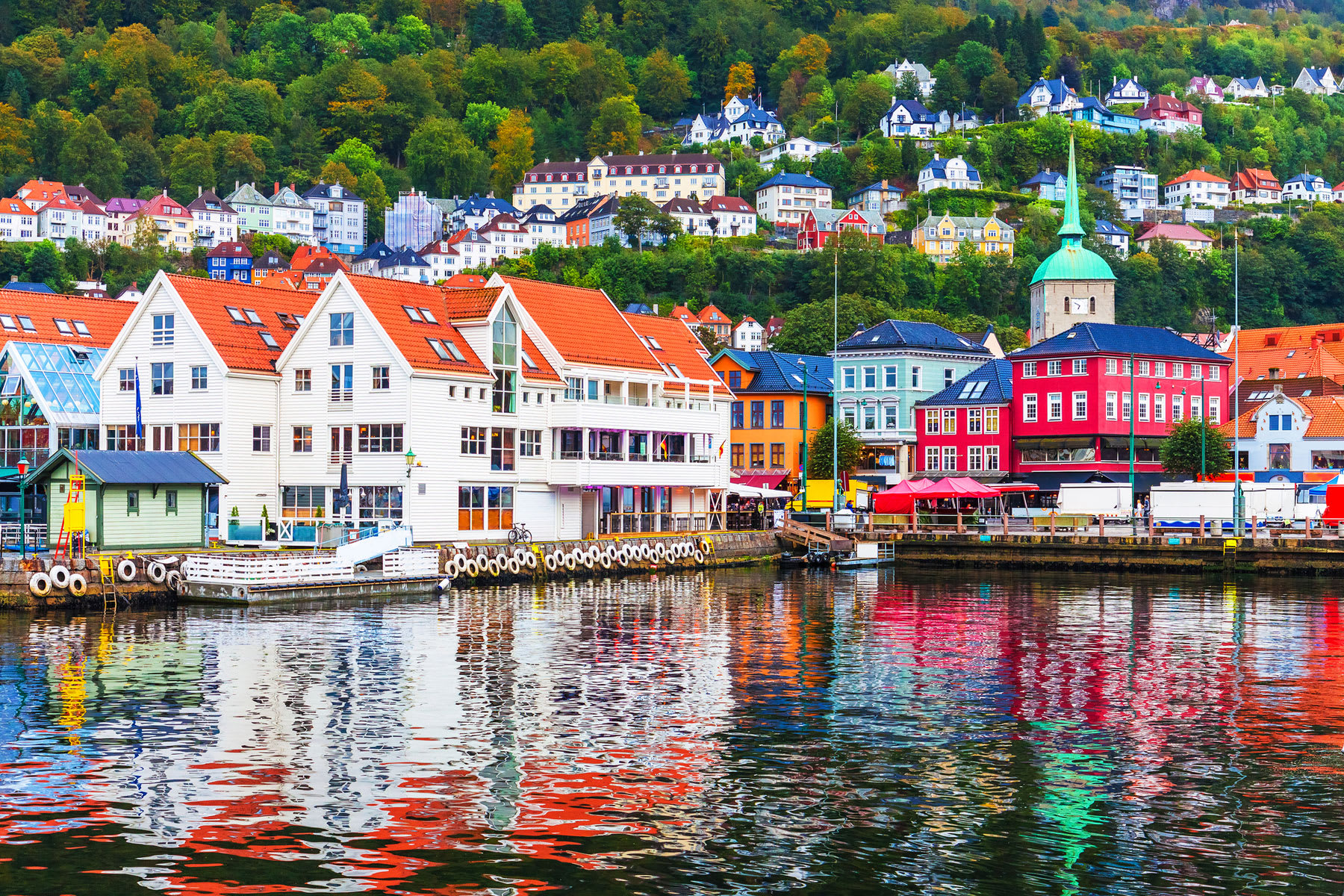
Originally inhabited by the Vikings, Bergen is surrounded by stunning scenery – towering mountains and breathtaking fjords, including Sognefjord, the country’s longest and deepest. The city’s historic wharf is covered in colourful wooden houses and the Fløibanen Funicular leads to the top of Mt Floyen and wonderful views over the area. Bergen also has a bustling fish market, famous Aquarium, numerous art museums and the composer Edvard Greig’s house.
Atlas Obscura Highlight – Tubakuba: “Stay overnight in the world’s most sleekly designed rabbit hole, free of charge.”
Trondheim, Norway
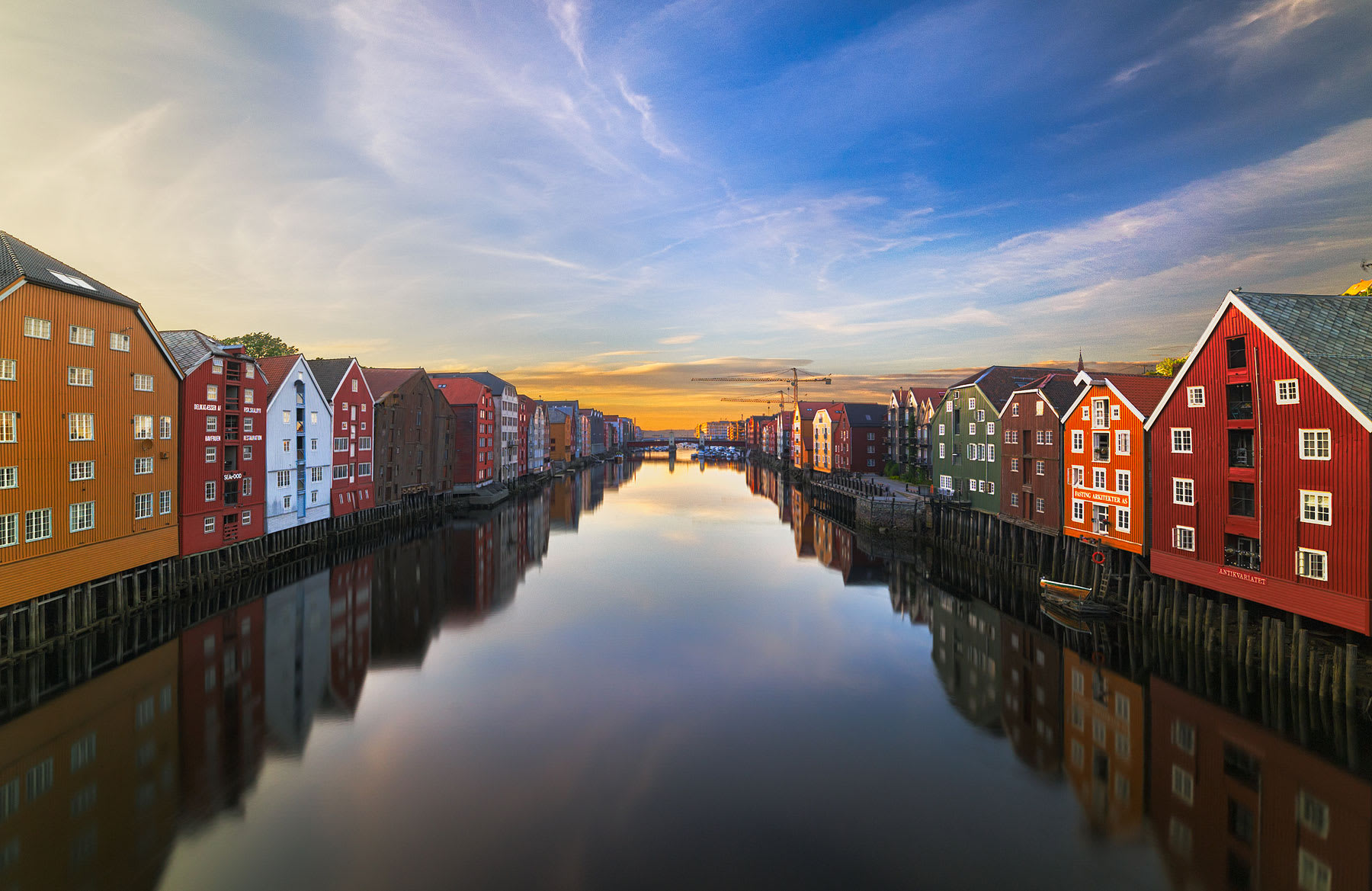
Founded in the 10th century by the Viking King Olav Tryggvason, Trondheim was the capital of Norway for over 200 years. The stunning 11th century Nidaros Cathedral is the northernmost medieval cathedral in the world and is situated next to the historic Archbishop’s Palace. The Nidelva River runs through the city and features beautiful old storehouses along its shores. Students make up 20% of Trondheim’s population, creating a lively music and art scene.
Atlas Obscura Highlight – Trondheim CycloCable: “The world’s first and only escalator for lazy bicycles and their daunted riders.”
RELATED
TOUR

Road to Valhalla
Valhalla, also known as the Hall of Heroes, was the goal for all real Vikings. Ruled by the Norse God, Odin, only the bravest and fiercest of warriors...

Leave a Comment for "The Cities Along The Road To Valhalla"