Blog
 REGISTER NOW


Gdańsk – A Cycling Capital In The Heart Of Poland
When I first heard that Michael was working on designing the Plum Ride Cycling Tour, I literally screamed with joy. Yes – actual squealing. If you know me, even a little, you probably know that I have a special affinity for Poland. The fact that the sections of the tour are named Slivovitz, Pálinka, and Rakia already makes me smile – but that’s a story for another time.

What truly made me happy, though, was learning that the tour will start in Gdańsk. I’ve been there once before. I remember taking a cozy train from Warsaw – just three hours – and suddenly you arrive somewhere completely different. The air smells of the sea, the light feels softer, and before you know it, you’re standing on the shores of the Baltic. It’s one of those places that instantly feels both grand and welcoming at the same time. But did you know that Gdańsk is actually part of something bigger?
The Tricity
Gdańsk belongs to what locals call the Tricity – a unique urban area made up of Gdańsk, Gdynia, and Sopot. Though each city has its own personality and history, together they form one continuous coastal region along the Baltic Sea. Gdańsk is the oldest and most historically rich of the three, with centuries of maritime trade and cultural influence. Gdynia is the youngest – a modern port city that rose rapidly in the 20th century when Poland needed a new gateway to the sea.
And Sopot, nestled between them, became the region’s beloved seaside resort, famous for its beaches, elegant villas, and lively summer atmosphere. Today the three cities are seamlessly connected by trains, bike paths, and coastal promenades. You can move between them effortlessly – which makes exploring the area by bicycle truly delightful. And if you’re arriving for a cycling tour… well, you’re already doing it right.
Gdańsk: History On The Baltic Coast

Gdańsk is one of those cities where history is everywhere you look. For centuries it was one of the most important trading ports on the Baltic Sea and a powerful member of the Hanseatic League, the medieval network of merchant cities that connected northern Europe. Walking through the historic centre today, you can still feel that maritime legacy. Tall merchant houses line the streets in a colourful parade of architecture, church towers rise above the skyline, and along the Motława River stands the famous medieval crane that once loaded cargo from ships arriving from across Europe. Gdańsk is also a city that played a pivotal role in modern history. In the 1980s, the Solidarity movement began here at the Gdańsk Shipyard – a workers’ movement that would eventually help bring about the fall of communist rule across Eastern Europe.
A Cycling Capital Of Poland
For cyclists, Gdańsk has another pleasant surprise: it’s one of the most bike-friendly cities in Poland. Poland in general is wonderfully welcoming to cyclists, with well-maintained bike lanes, thoughtful infrastructure and scenic routes that connect cities, parks, and coastlines. Gdańsk is a perfect example of this culture. Exploring the city by bike feels natural, and honestly the best way to do so. You can ride along the Motława River, glide through green parks, and reach the Baltic shoreline within minutes. The bike paths are smooth, safe, and often incredibly scenic. If you’re arriving a day or two before the Plum Ride begins – and I highly recommend that you do – it will give you time to explore. Gdańsk is the kind of city where wandering around is half the joy, but here are a few places worth putting on your list:
Long Market – The heart of the historic centre and one of the most beautiful streets in Poland. Colourful merchant’s houses, the iconic Neptune Fountain and the elegant Artus Court make this area feel like a postcard.
St. Mary’s Basilica – One of the largest brick churches in the world. If you’re up for a little climb, the tower offers incredible views over the city’s rooftops and the Baltic beyond.
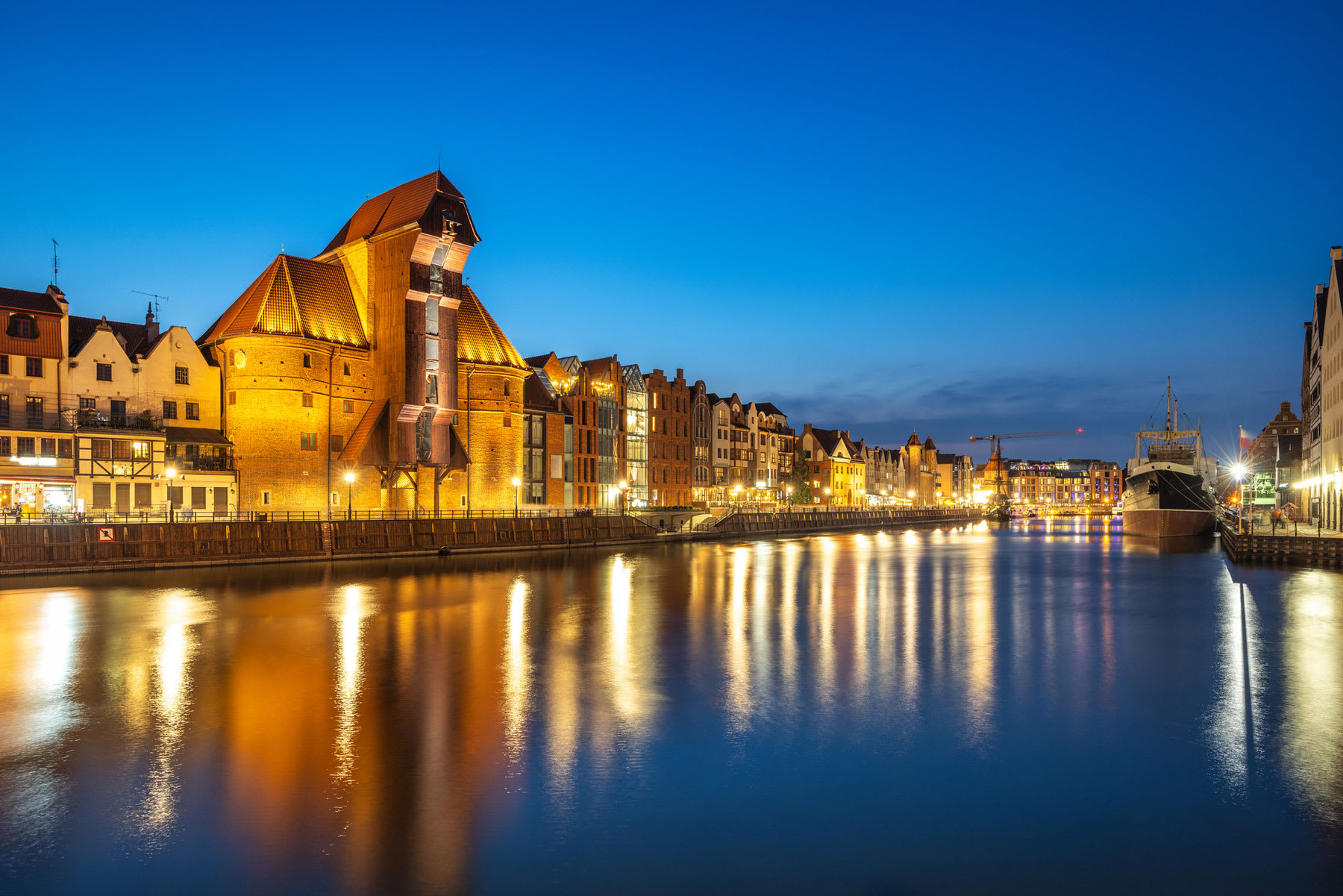
Żuraw
The Gdańsk Crane (Żuraw) – A medieval port crane that once loaded cargo from trading ships. It’s one of the most recognizable symbols of the city and a reminder of Gdańsk’s maritime past.
European Solidarity Centre – A modern museum dedicated to the Solidarity movement that began here in the 1980s and helped change the political landscape of Eastern Europe. Even if you’re not a big museum person, the story is powerful and the architecture is striking.
The Motława River Walk – A perfect place for an evening stroll. Restaurants, cafés, and old harbor buildings line the waterfront, and the atmosphere becomes especially magical at sunset.
A Small Detour To Take
Now here’s my personal confession: if I join this tour – and I really hope I will – I plan to arrive a little early. Why? Because I want to ride my bike to Sopot. Sopot sits just between Gdańsk and Gdynia, and although the Plum Ride doesn’t pass through it, it absolutely deserves your attention. I once spent three or four days there and remember thinking that I should have stayed longer.
Sopot’s story is quite different from Gdańsk’s. In the 19th century, when seaside resorts became fashionable across Europe, Sopot blossomed into a spa town where visitors came for fresh sea air, mineral waters, and relaxation by the sea. Elegant villas were built among pine forests, promenades filled with summer visitors, and the town slowly grew into Poland’s most beloved coastal getaway.
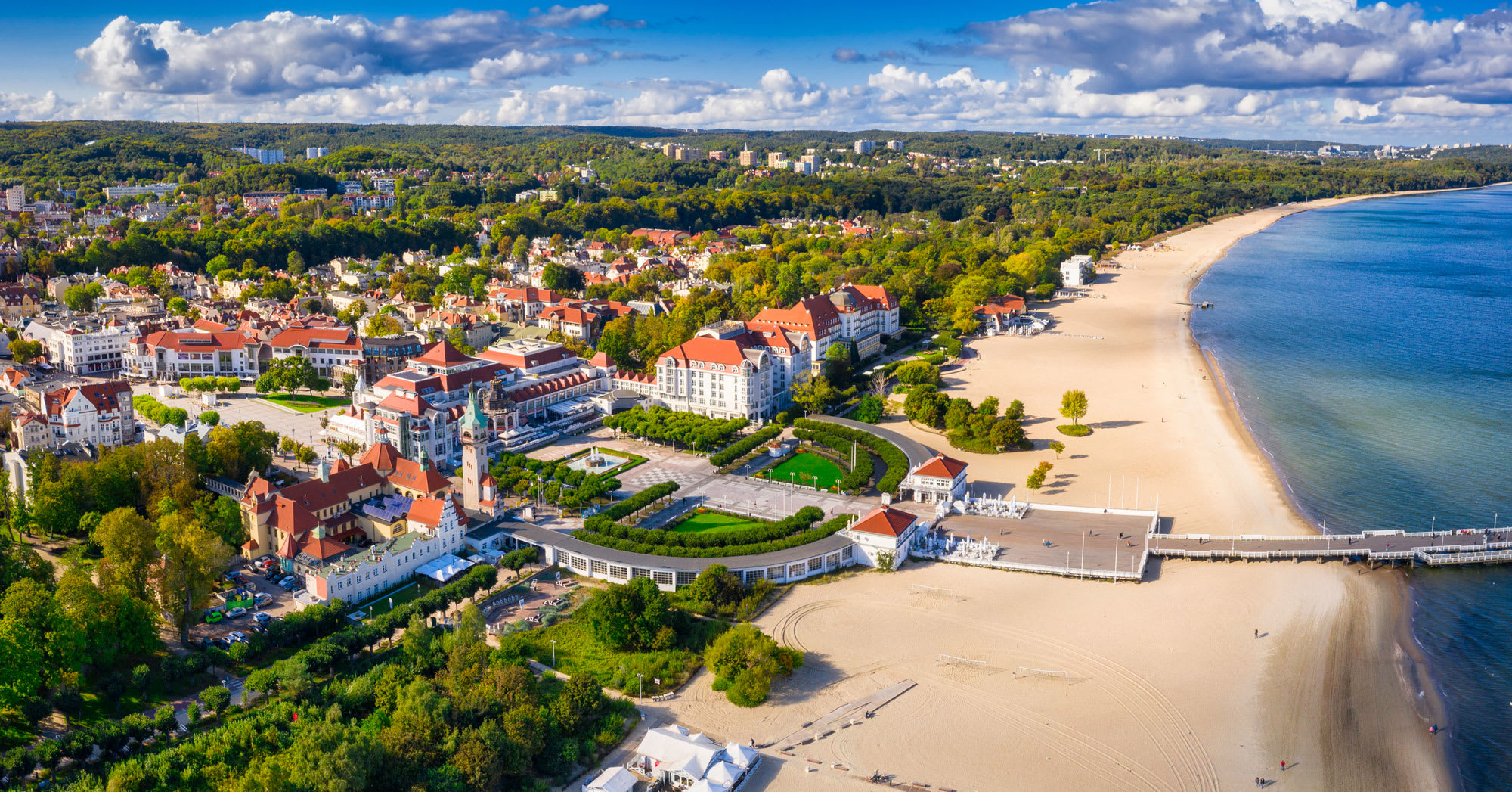
Sopot
The symbol of the city is its famous wooden pier, stretching far into the Baltic Sea – one of the longest wooden piers in Europe. Standing there, looking out over the water, it’s easy to understand why generations of travellers have fallen in love with this place. Even though the Baltic Sea isn’t known for tropical temperatures (not my favourite sea at all), in late August it’s usually warm enough to enjoy the beach – and the atmosphere is simply wonderful.
But for cyclists, the real highlight is the coastal bike path that runs between Gdańsk and Sopot. I rode it once and still remember how beautiful it felt. Start in central Gdańsk and follow the bike paths north toward the coast. Soon you’ll join the coastal cycling route that runs through parks and along sandy beaches. The ride is smooth and scenic, with long stretches where you can see the Baltic Sea just beyond the dunes. After about an hour of easy riding, you’ll arrive in Sopot.
Park your bike and walk along the famous Sopot Pier, grab a coffee on the promenade, or simply sit by the beach and watch the waves roll in. When you’re ready, ride back the same way – sunset along the coast is often spectacular. It’s the perfect warm-up ride before the real adventure begins.
See You At The Start Line?
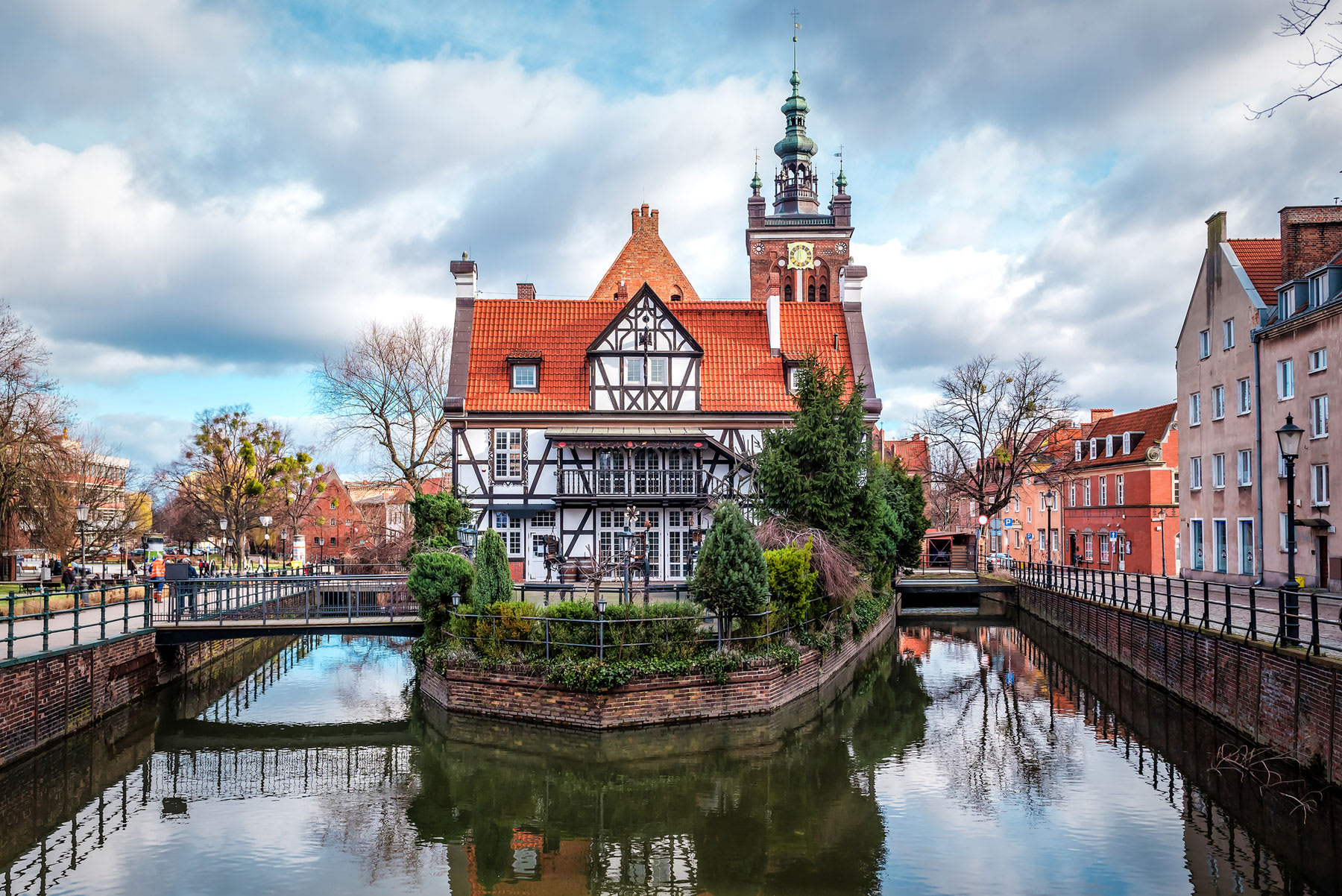
The Plum Ride will run for the first time in 2027 and it promises to be a journey through incredible landscapes, cultures, stories (and my favourite spirits, of course). But if you ask me, the adventure begins even before the first official pedal stroke. It begins in Gdańsk – a city where cycling feels natural, and where every journey seems to start with a little bit of magic in the air. And if you happen to see someone riding toward Sopot a day or two before the tour begins… well, there’s a good chance it might be me.
RELATED
TOUR

Plum Ride
Plum brandy has a long and illustrious history in Central and Eastern Europe, beginning as far back as the 14th century. Distilled from local plums...



Leave a Comment for "Gdańsk – A Cycling Capital In The Heart Of Poland"