Blog
 REGISTER NOW


A Day On The Road In Japan
Arjuna Boucher-Pertuisot is the Content Creator on the 2026 Journey to the East Cycling Tour.
A riding day in Japan has its own rhythm, and by now the Journey to the East crew knows it well.
Most mornings begin around 7:45 with bag loading first, then breakfast, then the slow migration toward the bikes. Bottles are filled, GPS devices are checked, snacks disappear into jersey pockets, and riders gather outside the hotel in various states of readiness. Some are alert. Some are still negotiating with their coffee. Someone is usually looking for a missing glove, charger, sunglasses or snack that was definitely “right here a second ago.” And if history is any guide, there is a fair chance someone will leave with a hotel key still in a jersey pocket, leaving Kazu, our local support legend, to arrange its return.
Then, somehow, everyone rolls out.
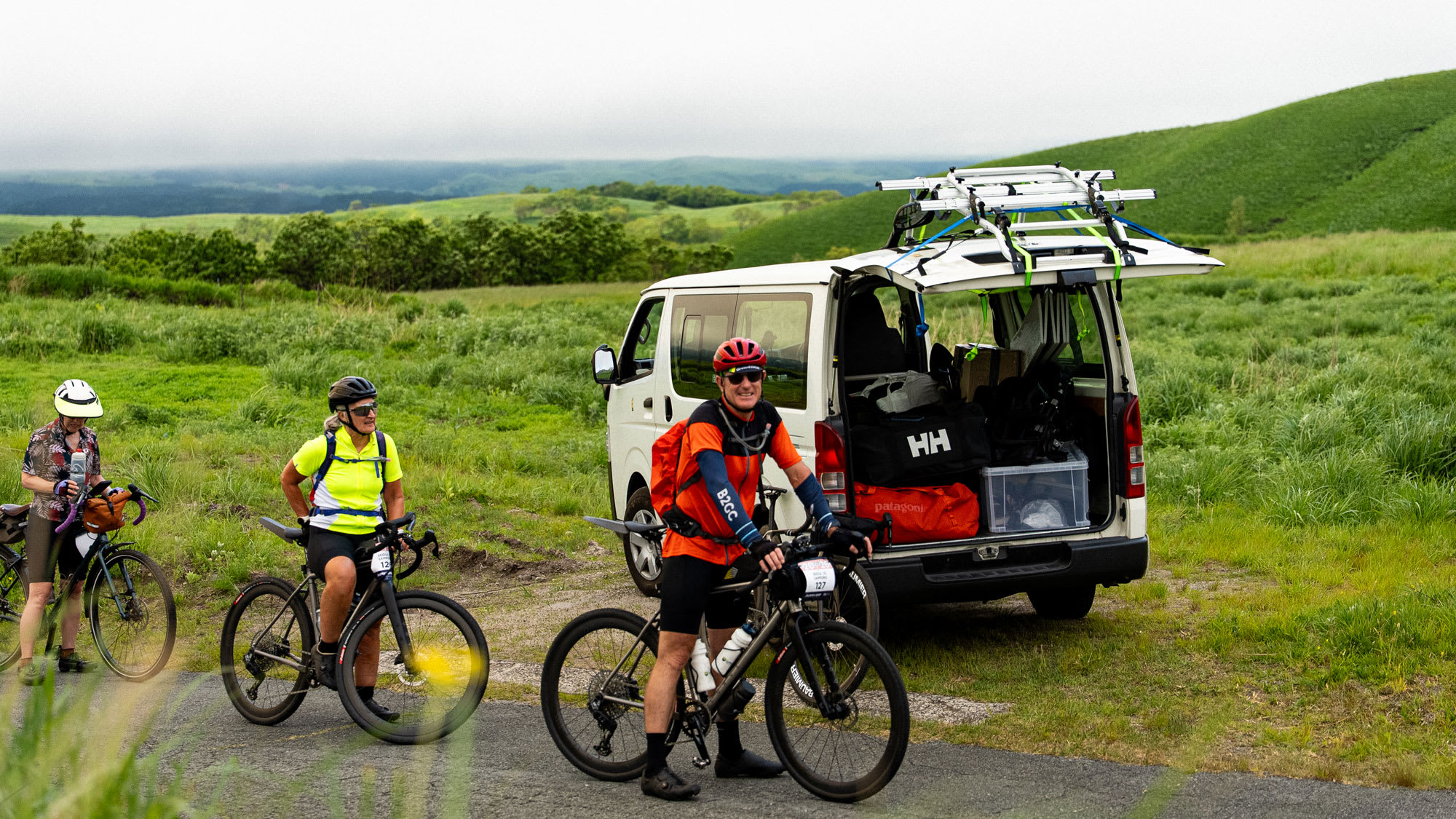
That is one of the funny things about a TDA tour. No matter how scattered the morning feels, the group eventually finds the road.
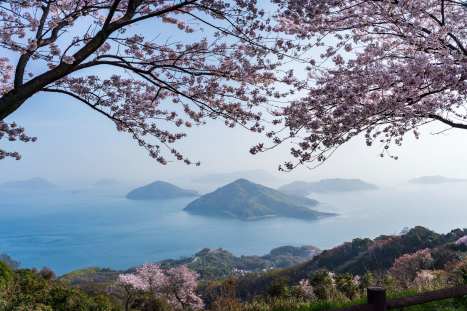
In Japan, the first kilometres often arrive gently. A few turns out of town and the noise fades. The route slips between rice fields, follows rivers, climbs into forested hills, or passes through small villages where everything looks tidy enough to make you feel underdressed on a bicycle.
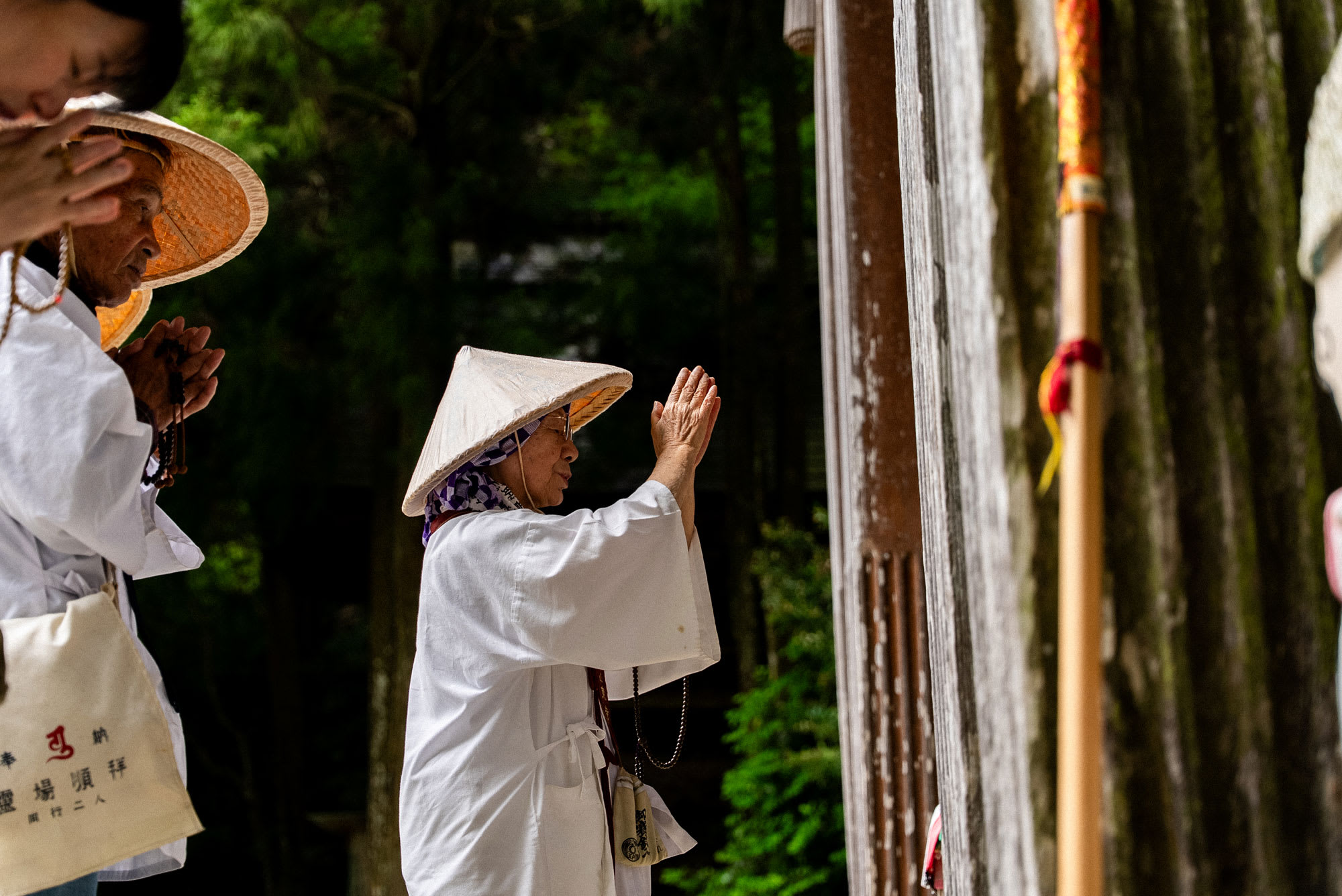
Shrines and temples appear without warning. Sometimes they are tucked under trees. Sometimes they sit beside the road so quietly that you almost ride past them before realizing what you have just seen. Japan rewards riders who pay attention, but it also rewards riders who stop often, take pictures, and pretend the photo break had nothing to do with needing a breather.
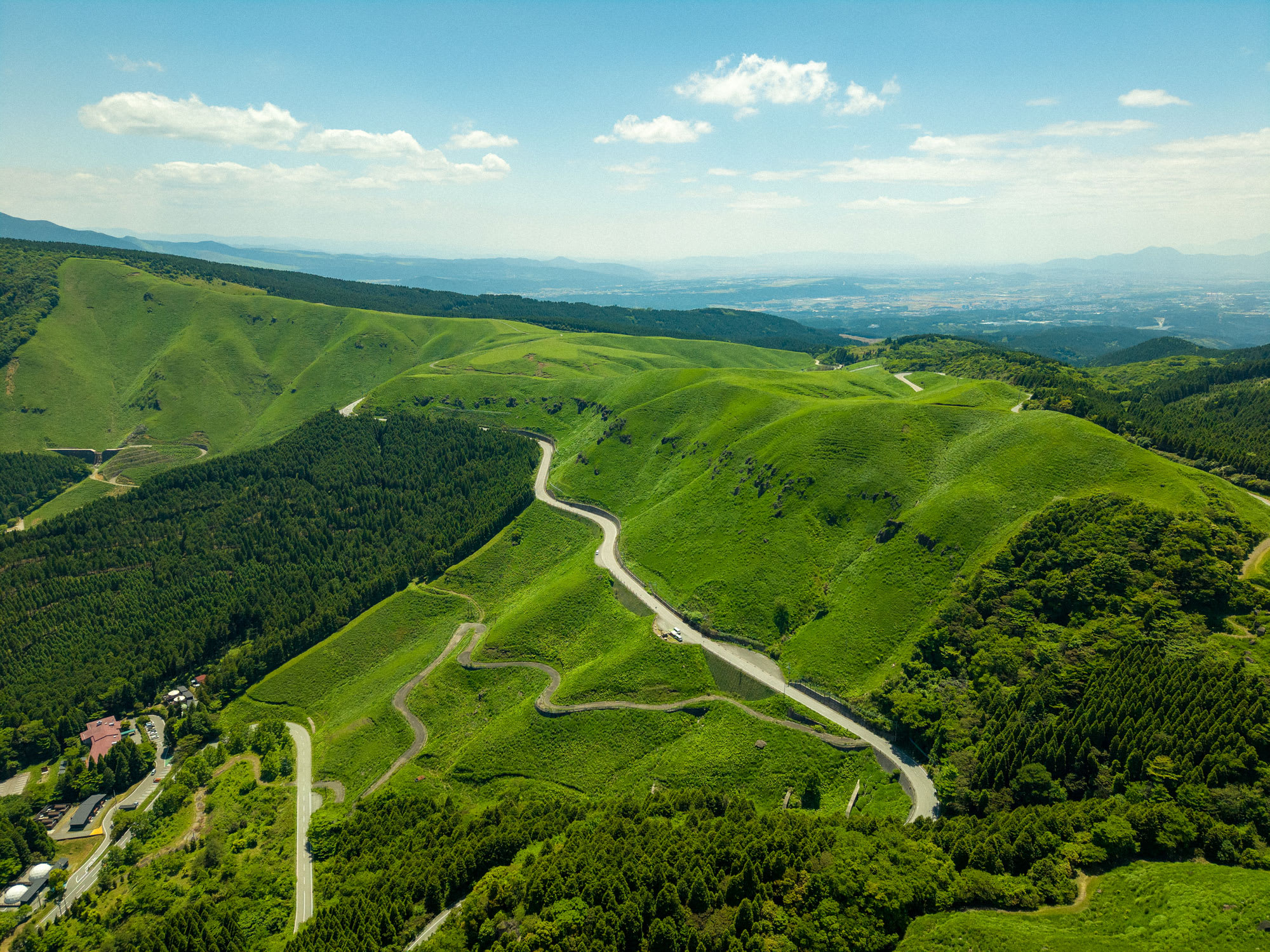
Some days, the mountains arrive early. The climbs in Japan are not always long, but they can be sharp enough to end a conversation mid-sentence. The group stretches out quickly. Some riders settle into a steady rhythm. Some stand on the pedals. Some stop to admire the view. Some stop to admire the view several times. At the top, the heavy breathing becomes laughter. Someone says, “That wasn’t so bad,” usually after saying the opposite for the last thirty minutes.
Then comes the descent, and suddenly everyone remembers why they like cycling. Japan can be hard on the legs, but it is generous with the rewards.
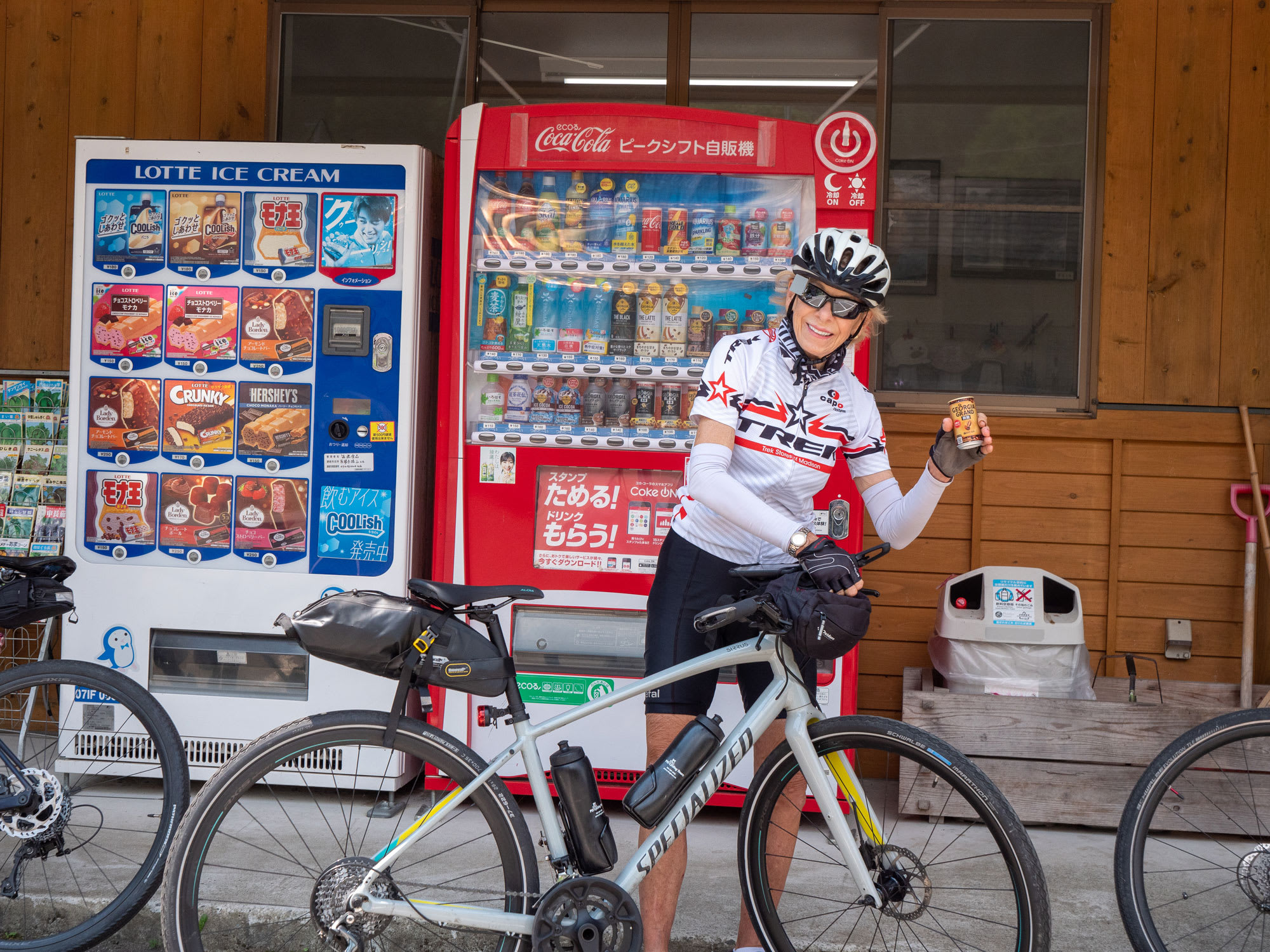
It is also very good at snacks. A 7-Eleven. A Lawson. A FamilyMart. A vending machine beside a quiet country road. These stops have become part of the day’s culture. For cyclists, Japanese convenience stores are less ‘quick stop’ and more ‘mini expedition.’ Cold green tea, iced coffee, onigiri, steamed buns, sandwiches, pastries, sports drinks, jelly packets, salty snacks, sweet snacks, mystery snacks, and drinks with labels that make you take a leap of faith. Everyone develops a strategy. Some riders stay loyal to one chain. Others test everything. One person swears by onigiri. Another becomes emotionally attached to canned coffee. Someone else walks out with a snack they cannot identify but is willing to defend.
Lunch is the official reset point of the day. TDA staff set up somewhere along the route, and riders arrive in small groups. Shoes come off. Bottles are refilled. Plates are built. The morning gets replayed in fragments: the climb, the quiet road, the temple, the tunnel, the convenience store discovery, and the rider who somehow always leaves late but still arrives early.
After lunch, the day has a different personality. The legs are warmer, sometimes heavier, and the hotel starts to feel like a real destination rather than an abstract promise. Some afternoons keep us deep in the countryside, surrounded by rivers, hills and small villages. Others begin to hint at what is coming: wider roads, larger train stations, more traffic, more buildings.
That contrast has been one of the most memorable parts of Japan.
For days, the group can feel wrapped in calm: mountain roads, forested valleys, temples, hot baths, quiet dinners. Then, almost suddenly, Japan begins to change. The roads widen, the train stations grow, the traffic thickens, and the countryside starts handing the day over to the city.
For both Kyoto and Tokyo, the final arrival came by bus transfer rather than riding all the way into the centre. It was a practical decision — safer, smoother, and probably much better for everyone’s blood pressure. After days of quiet roads, narrow tunnels and mountain villages, sitting in transit while the city built itself around us felt like a strange kind of re-entry.
Kyoto felt layered and graceful even from the approach. Tokyo was another beast entirely: trains, towers, lights, crowds, speed, scale. The same country that gave us silent mountain roads also gives us one of the largest urban worlds on earth.
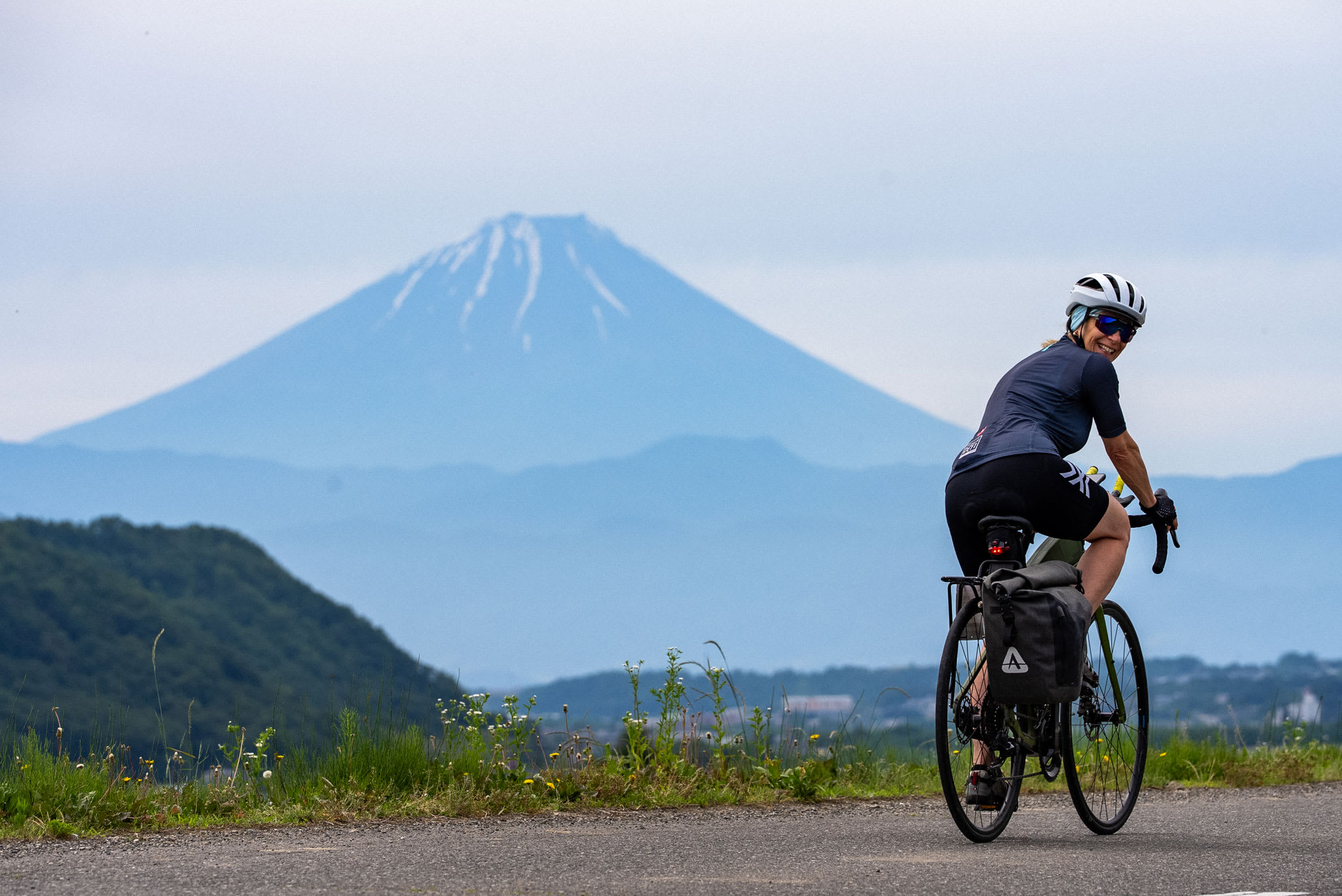
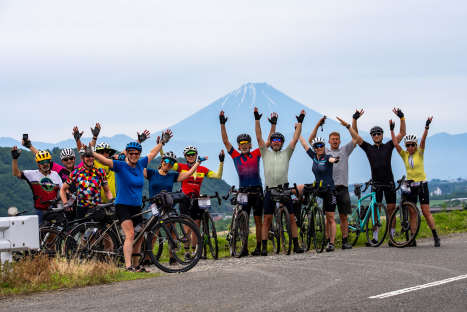
And between those two worlds, there was Mount Fuji. Fuji does not always show up when you want it to. Clouds can hide it completely. Weather can erase it. So when the sky opened and we saw it completely clear, it felt like the rare celebrity sighting of the section. Riders stopped. Cameras came out. Conversations paused. No one needed to say much. Fuji did the talking.
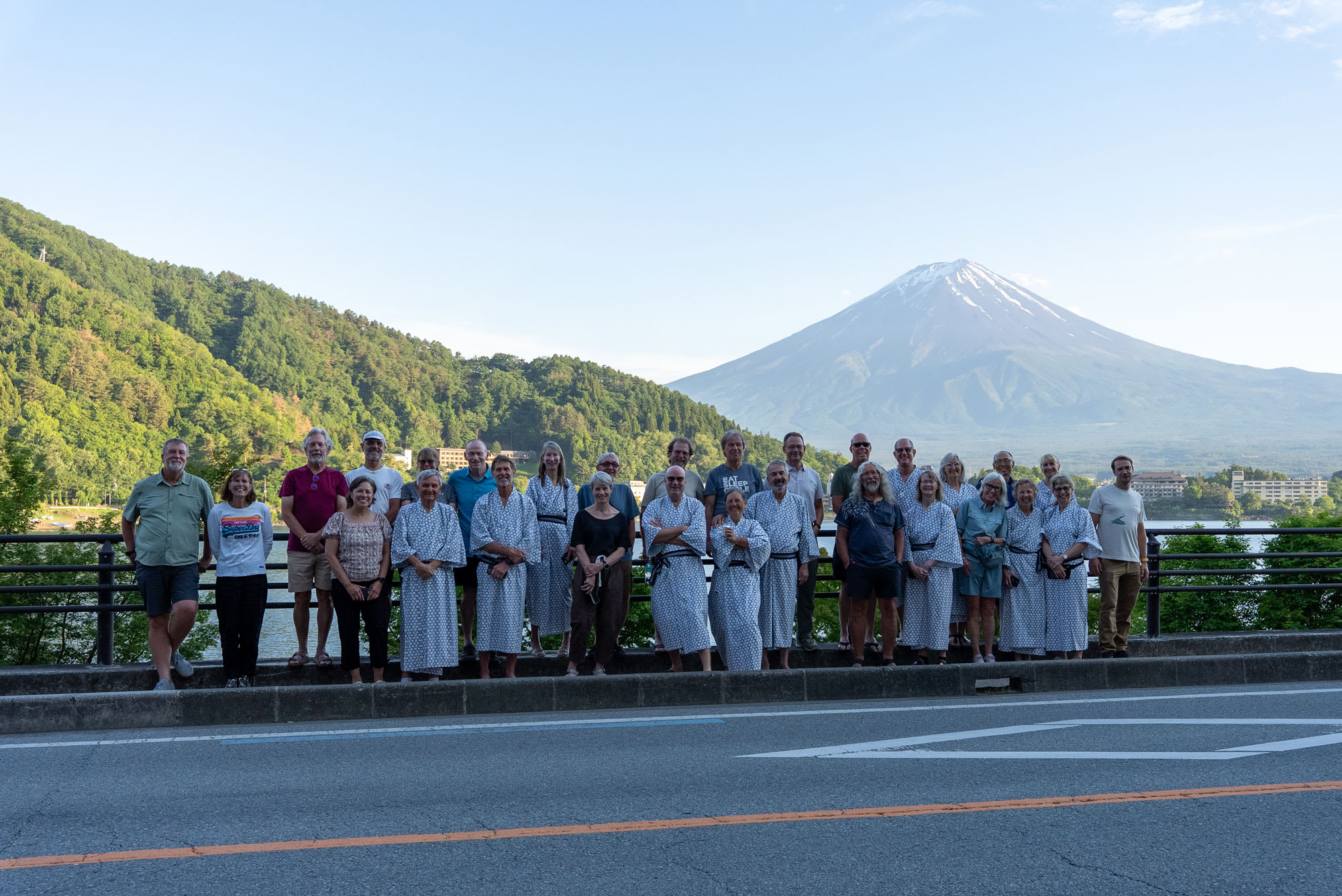
The riding gives Japan its structure, but the evenings have been their own adventure too. In many hotels, the day ends with a routine that feels very far from sweaty cycling clothes: shoes off, yukata on, and everyone slowly transforming from tired riders into slightly confused but very comfortable hotel guests. The yukata has become part of the daily theatre. After a big ride, there is something funny and perfect about seeing the same people who were grinding up climbs a few hours earlier now shuffling through the hallway in matching robes and slippers, trying to remember which side folds over which.
Then comes dinner.
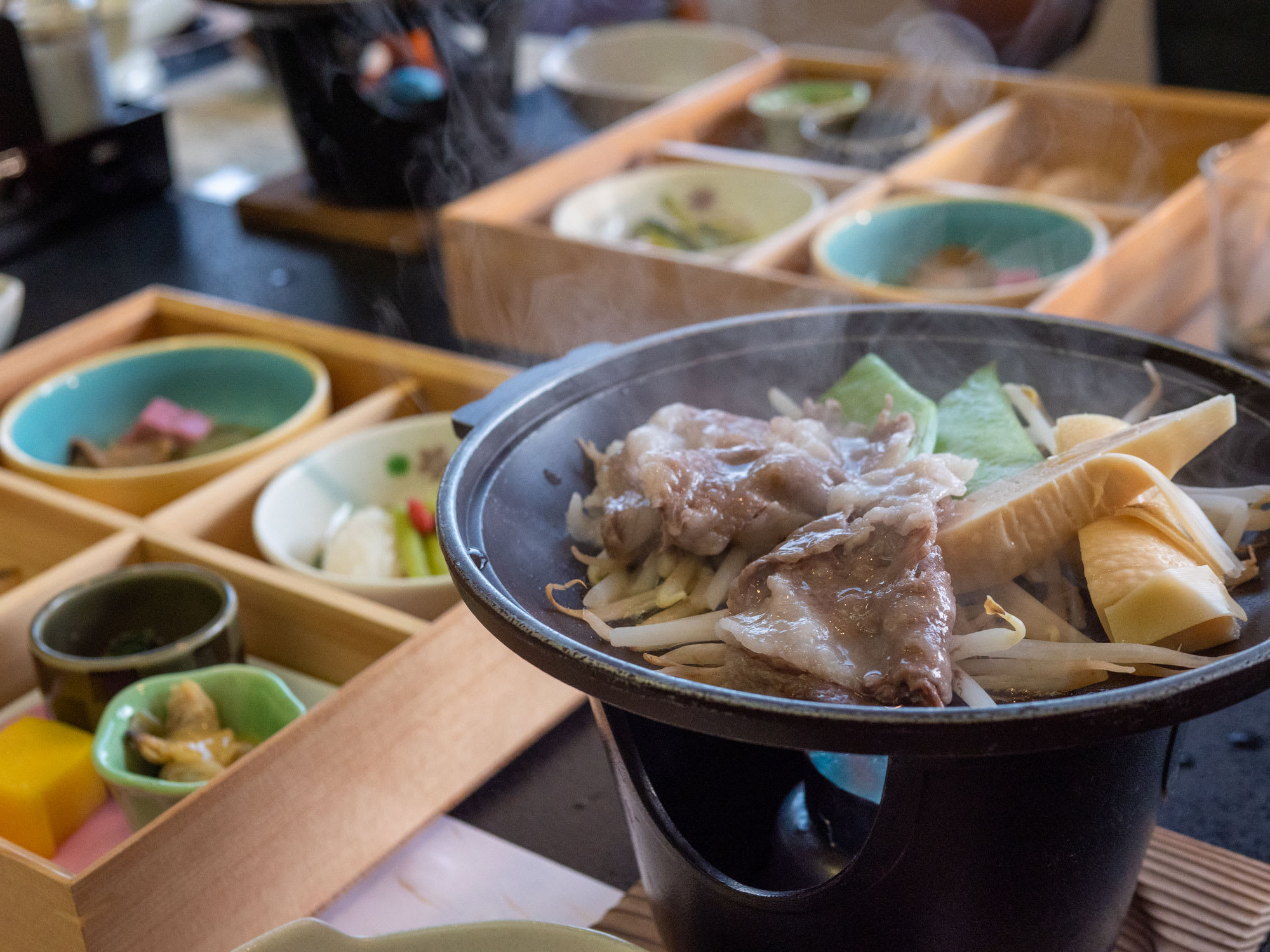
Some nights, it feels less like a meal and more like a ceremony. Dish after dish arrives at the table: fish, soups, rice, vegetables, pickles, small plates, local specialties, things we recognize, and things we politely study before eating. The presentation is careful, the service is calm, and the table slowly fills until riders are eating like Japanese kings and queens.
Of course, honesty belongs in the story too. After enough mornings of fish, rice, pickles and soup, more than a few riders have admitted they would happily welcome a simple continental breakfast. Toast. Eggs. Fruit. Coffee. Nothing complicated. Just breakfast that does not require interpretation before a big climb.
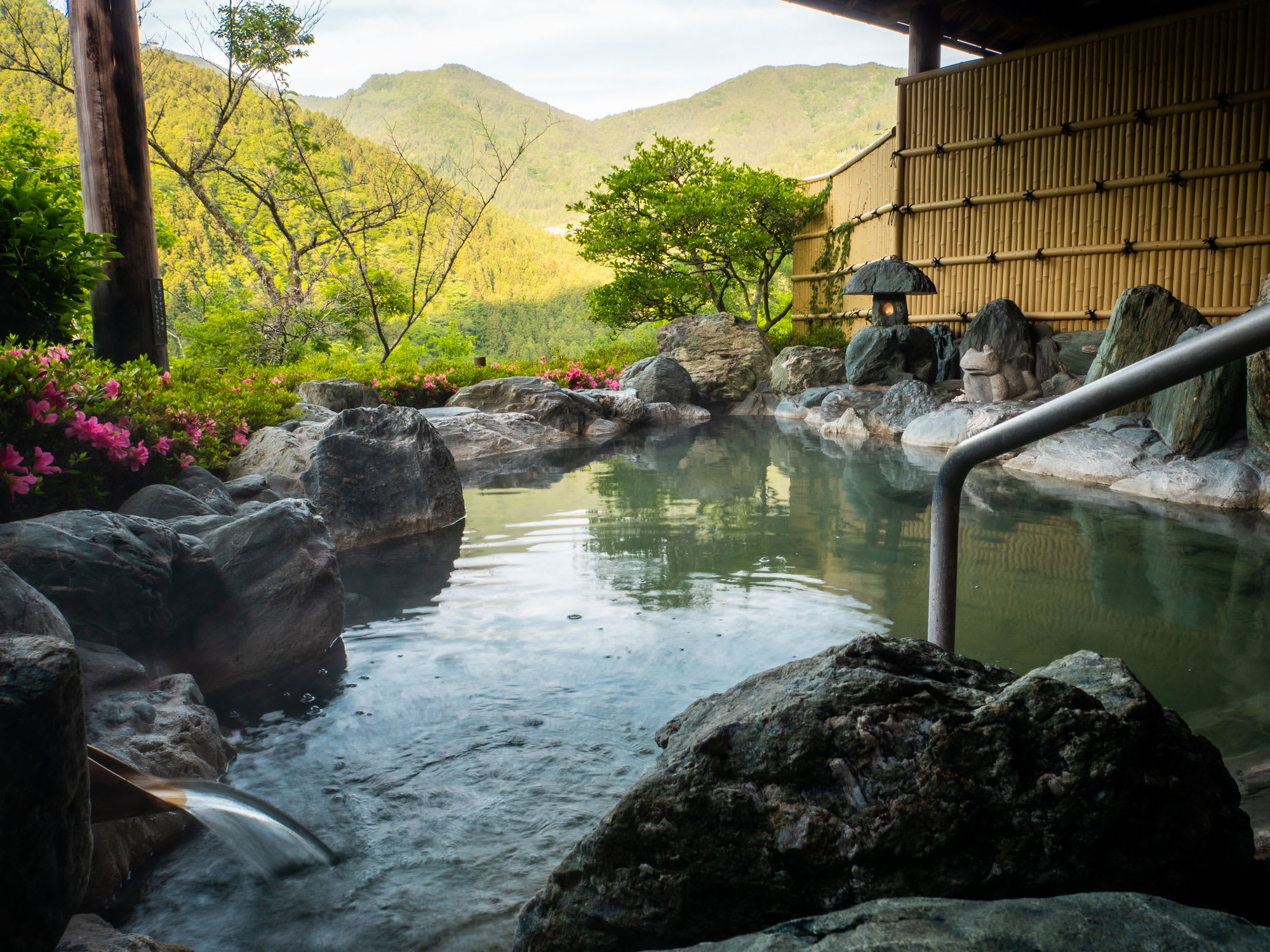
Thankfully, Japan also gives us the onsen. At the end of a long riding day, the onsen may be the closest thing to a group miracle. Park the bike. Lock it. Find the room. Wash the cycling kit. Rinse off the road. Put on the yukata. Then follow the signs to the baths and step into hot water until the day starts to loosen its grip.
After big climbs, warm roads and hours in the saddle, the onsen changes everything. It turns fatigue into quiet. It makes the hard parts feel less dramatic. It gives riders a few minutes where there is nothing to fix, nowhere to go, and no kilometres left to count.
By evening, the familiar TDA routine returns. Rider meeting. Dinner. Route notes for tomorrow. Devices charging beside the bed. Cycling kit laid out. Snacks moved into jersey pockets. Bags packed as much as possible before sleep. Then lights out, often earlier than anyone would admit back home.
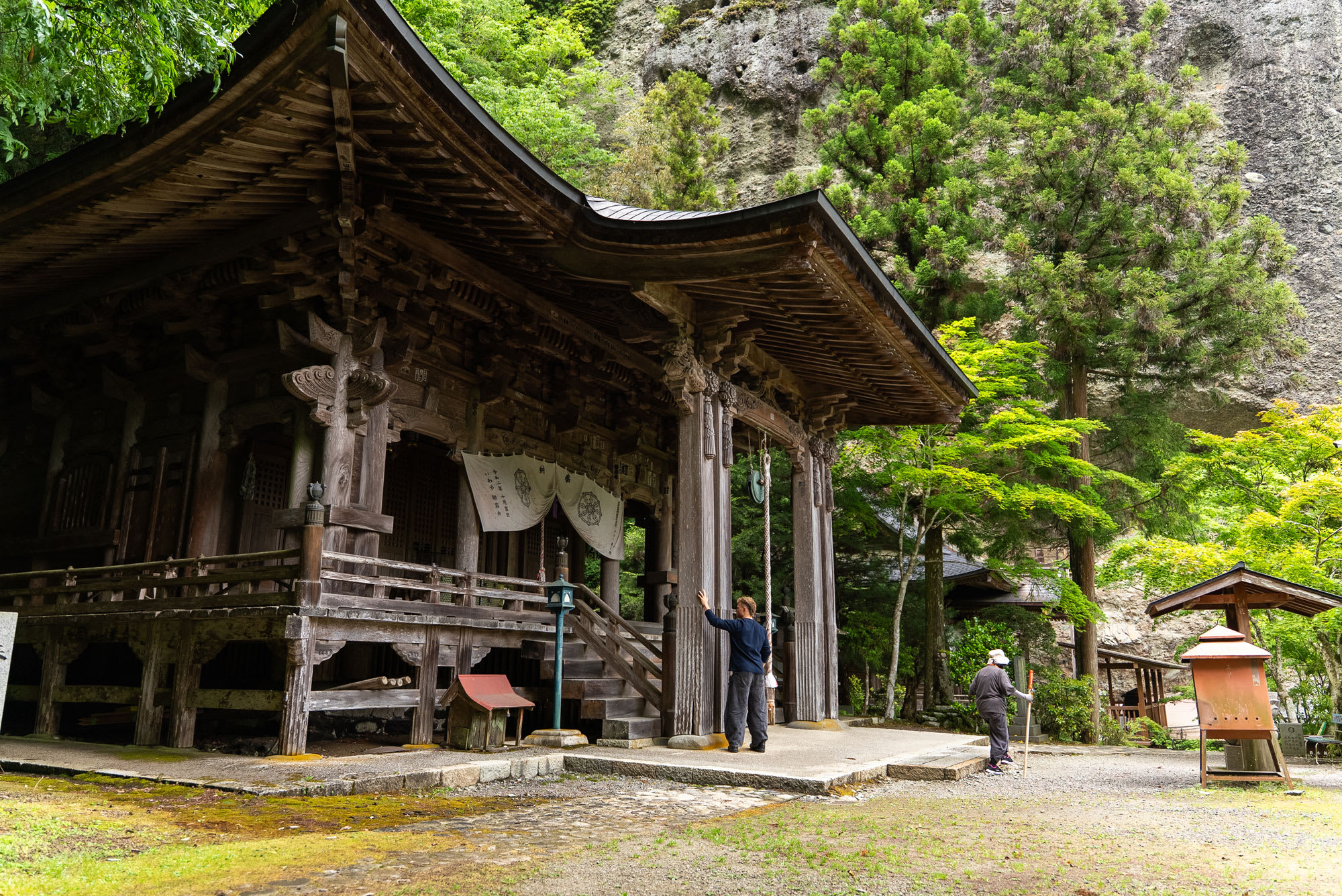
A day cycling in Japan is not built from one big moment. It is made from dozens of small ones: the morning bag shuffle, a climb through trees, a shrine beside the road, convenience store confusion, lunch in the shade, Mount Fuji appearing through clear sky, a yukata after the ride, a multi-course dinner, an onsen after a hard day, and the quiet satisfaction of knowing we get to do it all again tomorrow.
The kilometres matter. The climbs matter too. But what stays with us is the rhythm: ride, eat, climb, snack, soak, sleep, repeat.
And somehow, in Japan, that simple routine feels like a pretty good way to see a country.
RELATED
TOUR

Journey to the East
While South Korea and Japan are close neighbors, their lands and cultures are completely unique. Cycling across these countries, one after the other...
Leave a Comment for "A Day On The Road In Japan"