Blog
 REGISTER NOW


When In The Land Of Elephants, Play By The Elephant’s Rules
Nick Coe is the Content Creator on the 2024 Cape to Kili Cycling Expedition. He looks back at the tour’s time in Botswana cycling the aptly named, Elephant Highway.
As the Cape to Kili expedition transitioned from Namibia to Botswana, we moved from the ‘Mountains & Dunes’ section to ‘The Elephant Highway.’ Crossing the border was like stepping into a new world: the landscape shifted from rolling dunes to flat bushland, gravel roads turned into smooth tarmac, and our roadside attractions transformed into animals.
Once we crossed into Botswana, we found ourselves in the land of elephants – a new and awe-inspiring territory. It quickly became apparent that we were visitors in their domain. Elephants are the largest living land animals so in order to navigate this unique environment safely, TDA has established strict rules to follow. As our tour leader Yanez explains, “Elephants are complicated creatures. They have complex relationships with humans, and each one is extremely intelligent.”
>>Learn more about the Elephant Highway section of the Cape to Kili ride
One of the most crucial rules is to always give way to elephants. If you encounter one, remember – they have the right of way. “The worst thing you can do is separate a family,” Yanez cautions. “If you find yourself in the middle of the road with an elephant on one side and a baby on the other, just back away.” We were advised to keep at least 100 meters from them and to never stop nearby – just keep biking. What might simply annoy a human could provoke a 6,000 kg elephant. “They can get startled by unexpected noises—ringing your bell, flash photography, or yelling. FYI, they can run at 40 km/h, which is faster than you can bike,” Yanez adds.
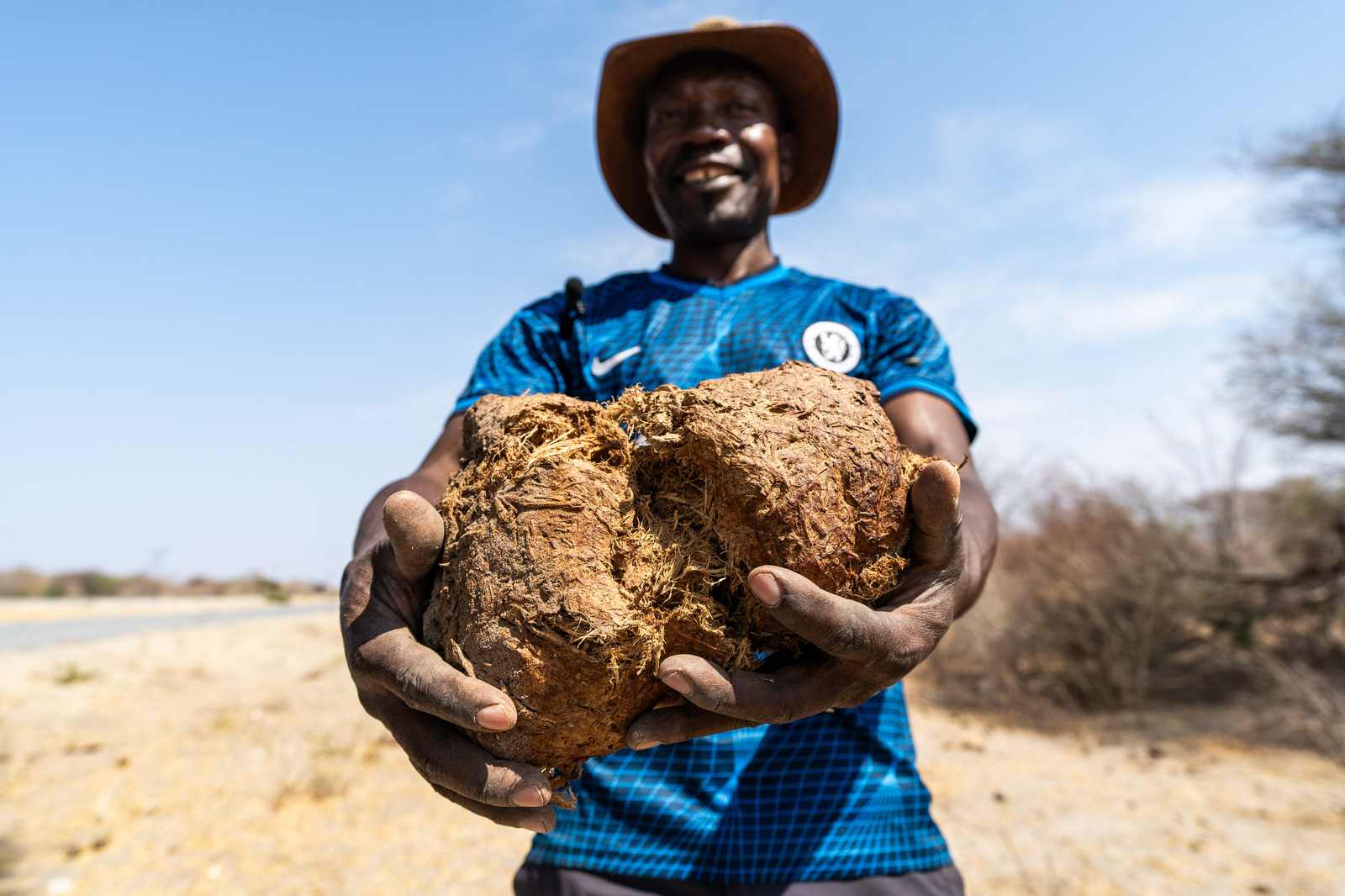
As we cycled through elephant country, we learned to recognize signs of their presence. One of our drivers, Noah, pointed out the unusually large dung we encountered daily. “If you look at this type of elephant droppings, it’s quite young. This elephant still has two sets of teeth, which is why the grass is ground up so finely,” he explained.
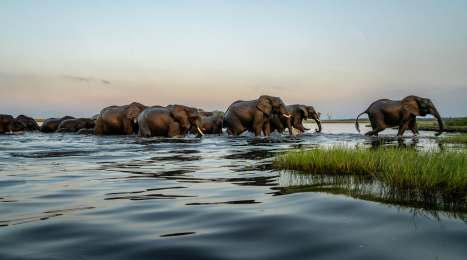
Botswana is renowned for its remarkable elephant population, hosting one of the largest concentrations of these majestic creatures in the world. The vast landscapes of Chobe National Park and the Okavango Delta provide ideal habitats, where elephants roam freely across lush grasslands and woodlands.
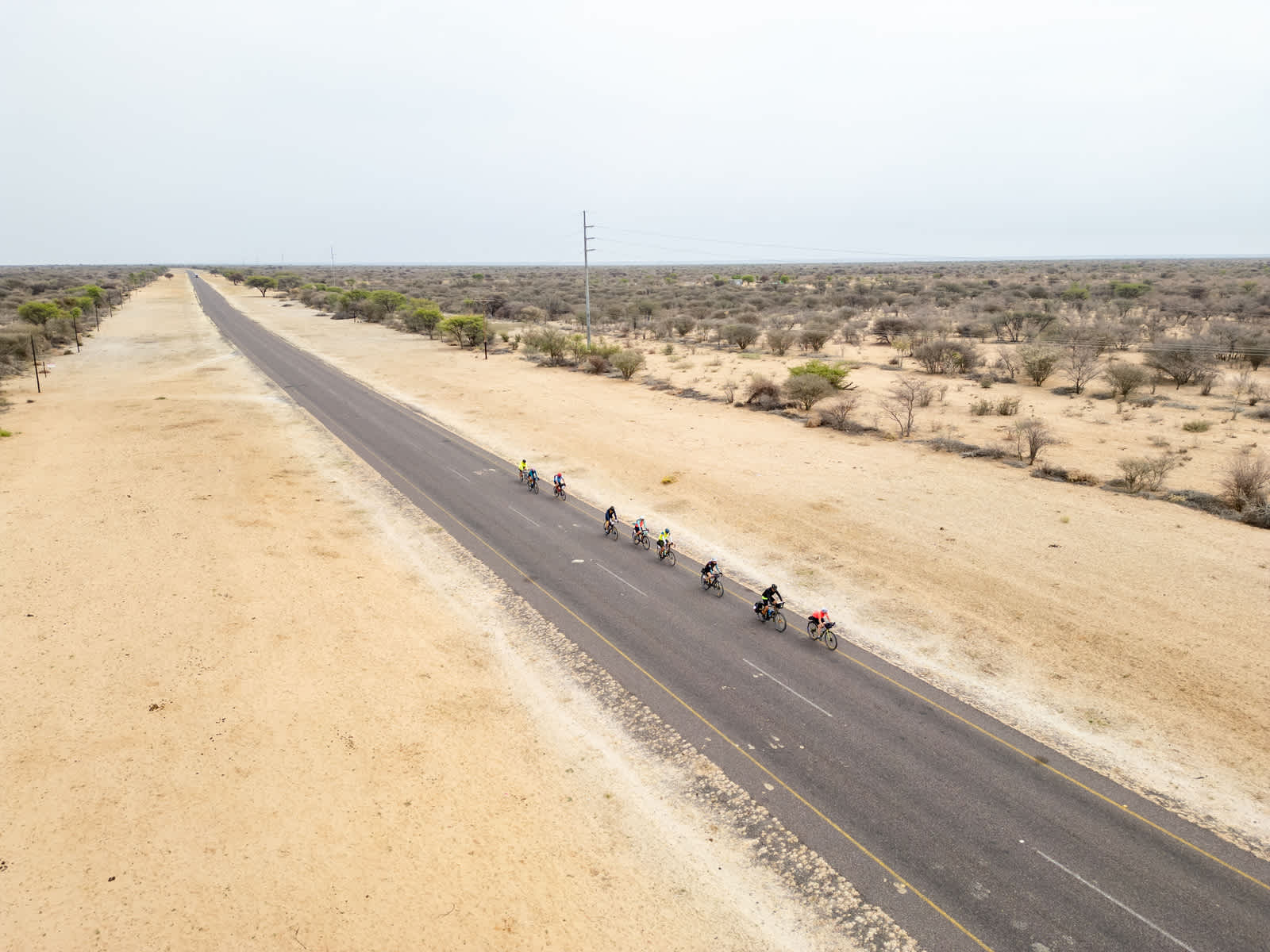
These gentle giants are not just a symbol of Botswana’s rich wildlife, they play a crucial role in the ecosystem by helping to maintain the balance of their environment. As they forage for food, elephants shape the landscape, creating pathways and water holes that benefit numerous other species. Their intelligence and complex social structures further highlight the need for conservation efforts, making Botswana a vital sanctuary for these incredible animals. Visitors like us to the region are often struck by the sight of elephants interacting with one another, showcasing their strong familial bonds and the profound connection they have with their habitat.
The abundance of elephants in this area is also partly due to government water irrigation. Alongside the roads we cycle, a pipeline supplies farmers and towns. Elephants have learned how to access this water by removing cement doors, which draws them to the roads. Rider Charlotte shared this insight into their daily habits – “Elephants generally graze for about 20 hours a day. If they stop grazing, it means they’ve noticed you. If they cease flapping their ears, stomping their feet, or moving their trunks, it’s time to turn around and cycle the other way.” Despite their size and power, elephants are also gentle giants.
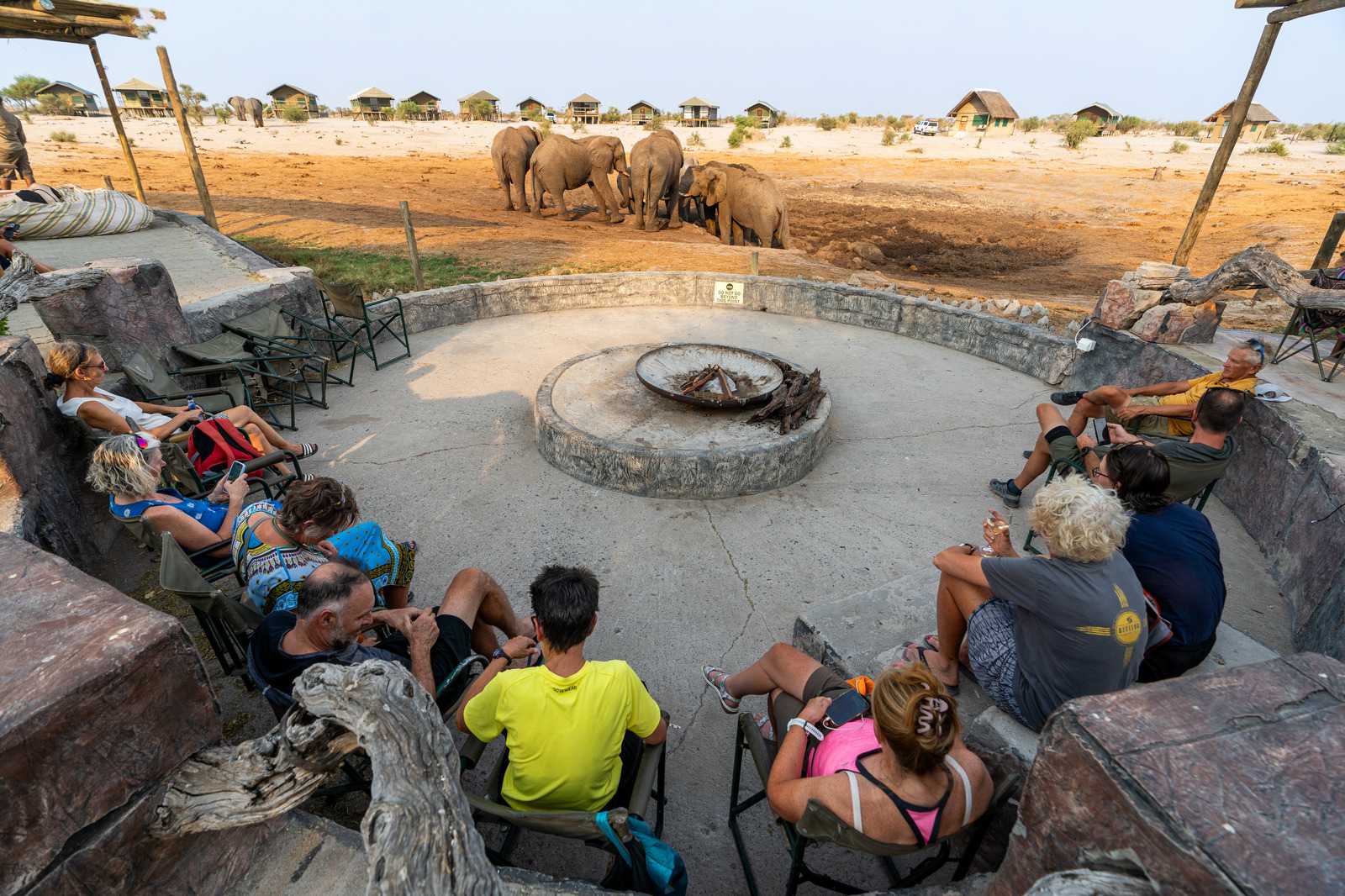
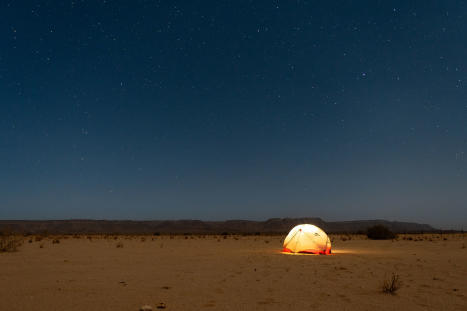
While camping at Elephant Sands—a campground surrounding a water hole frequented by wild elephants – we had the chance to observe them up close. One night, an elephant wandered through our campsite, weaving between tents and bicycles. Crew member Mic described the experience vividly – “It’s 3 a.m., and I roll over in my tent, open my eyes. Just meters from my head is the foot of a female elephant. She silently navigated through a maze of six bicycles and around a 4×4, standing in a small gap between my tent and Jason’s.”
It’s a privilege to experience such an incredible environment. As our tour leader, Yanez, noted, “If we respect the animals, they respect us.” While cycling through this stunning region may sound romantic, the wildlife introduces an element of unpredictability. You never know what an animal might do or where it might appear, but you can control your own actions. “In 22 years of the Tour d’Afrique, we’ve never had an incident,” Yanez assures us, “but if you don’t use common sense and follow the rules, you’re not just jeopardizing your own safety but also ruining it for others who want to cycle through here.”
RELATED
TOUR
Leave a Comment for "When In The Land Of Elephants, Play By The Elephant’s Rules"