Blog
 REGISTER NOW


Gravel vs. Tarmac: The Love/Hate Journey of Africa’s Roads
Nick Coe was the Content Creator on the 2024 Cape to Kili Cycling Expedition. In this post he looks back at the love/hate relationship cyclists had with Africa’s roads.
Biking for two months and covering 6,300 kilometres means encountering both gravel and tarmac roads—and developing a complex relationship with each. The Cape to Kili expedition features significant stretches of gravel, essential for reaching incredible sights like Sossusvlei and the world’s largest sand dunes. While gravel roads can be challenging, both road types offer unique benefits on a long cycling adventure.
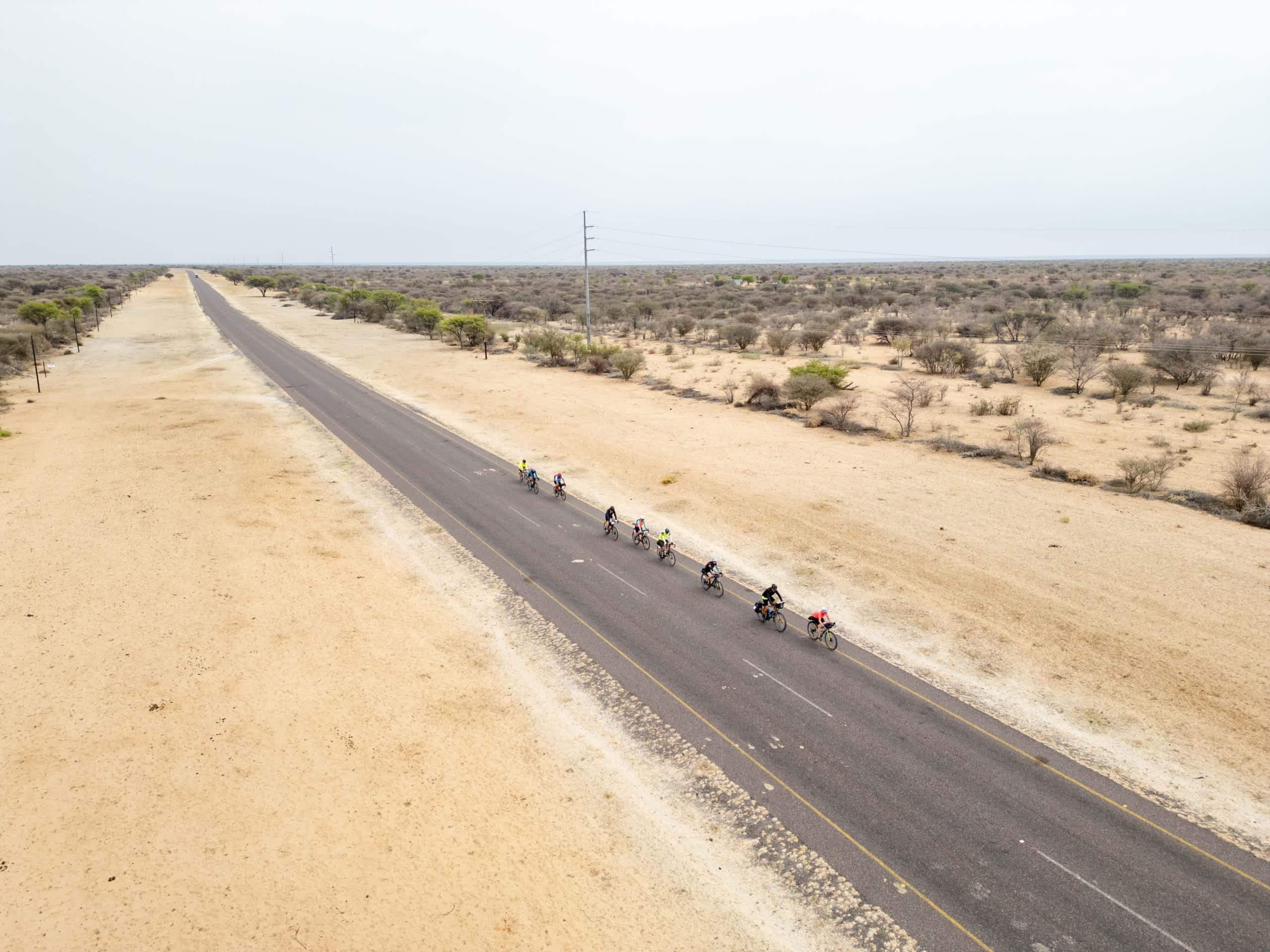
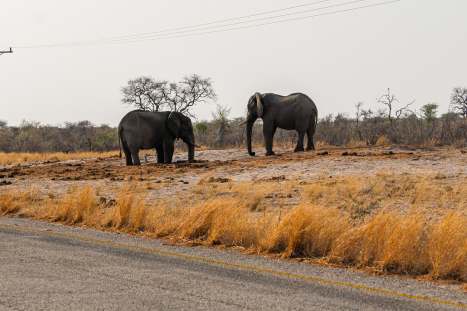
Tarmac roads allow us to cover greater distances efficiently. For instance, one of our longest days was in Botswana, where we rode 217 kilometres. Despite battling headwinds, we knew that navigating a slow gravel road would have made this feat nearly impossible. On our tarmac days, we consistently racked up more kilometres. However, tarmac comes with its own set of challenges: traffic.
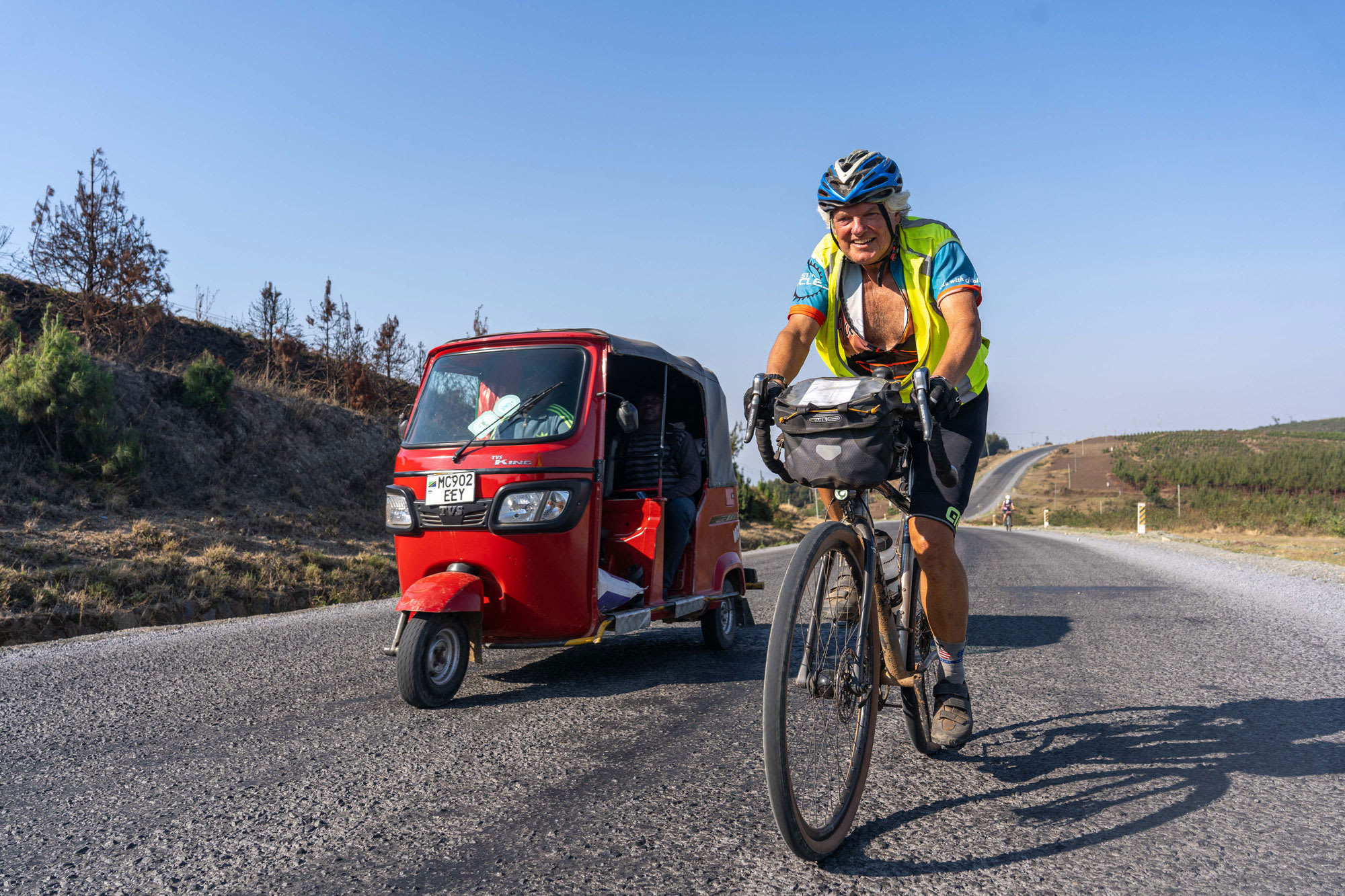
The paved roads tend to be close to bustling towns and cities, which means sharing the space with heavy transport trucks. This led us to take buses into two cities—Windhoek, Namibia, and Mbeya, Tanzania—where the traffic made cycling unsafe.
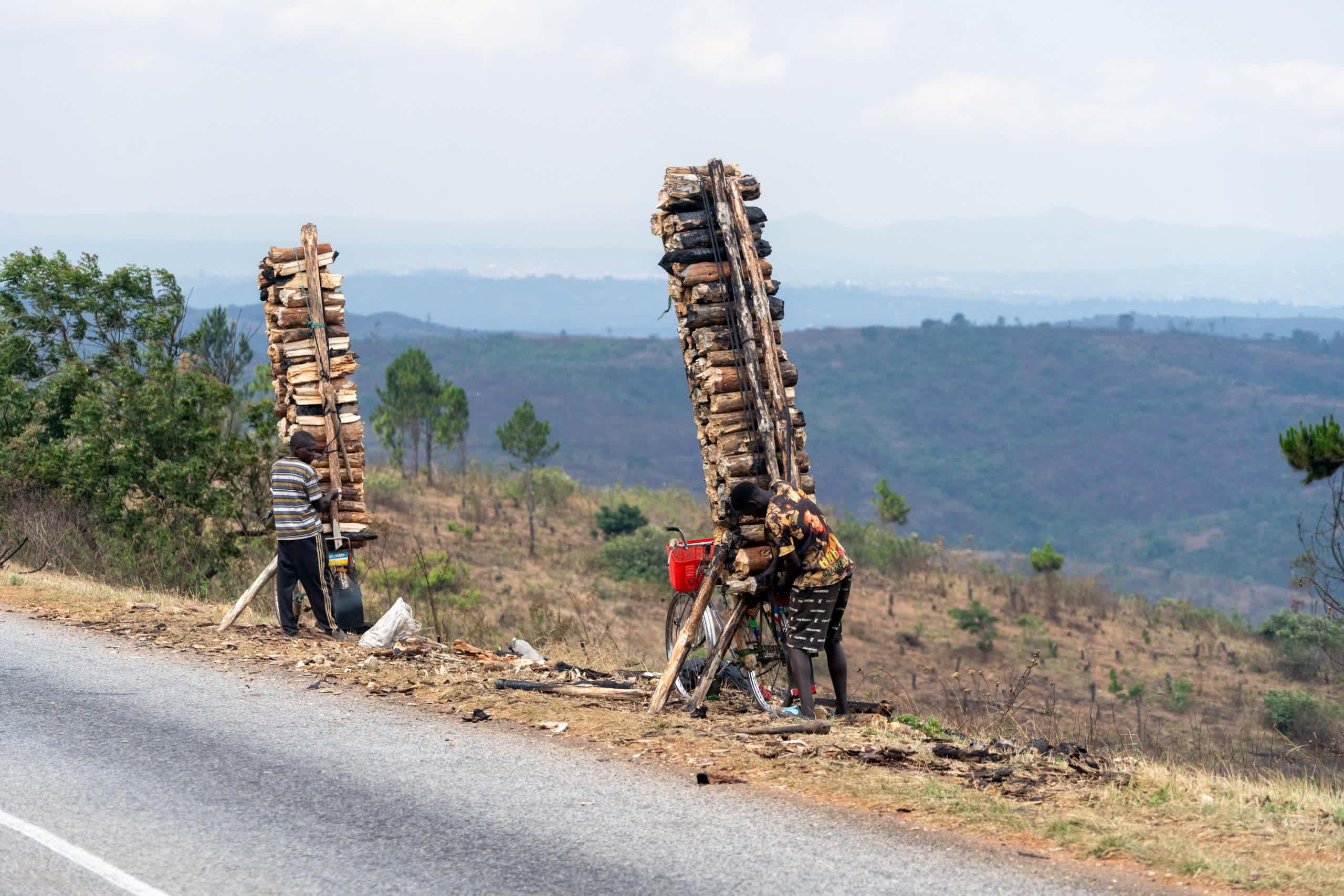
In Malawi, though, we enjoyed sharing the tarmac with fellow cyclists, which added a sense of camaraderie. “You crossed the border from Zambia to Malawi, and immediately see so many people on bikes. The first photo I took was the first thing I saw – a guy biking with a goat strapped to the back of his bike!” – Rider Alice.
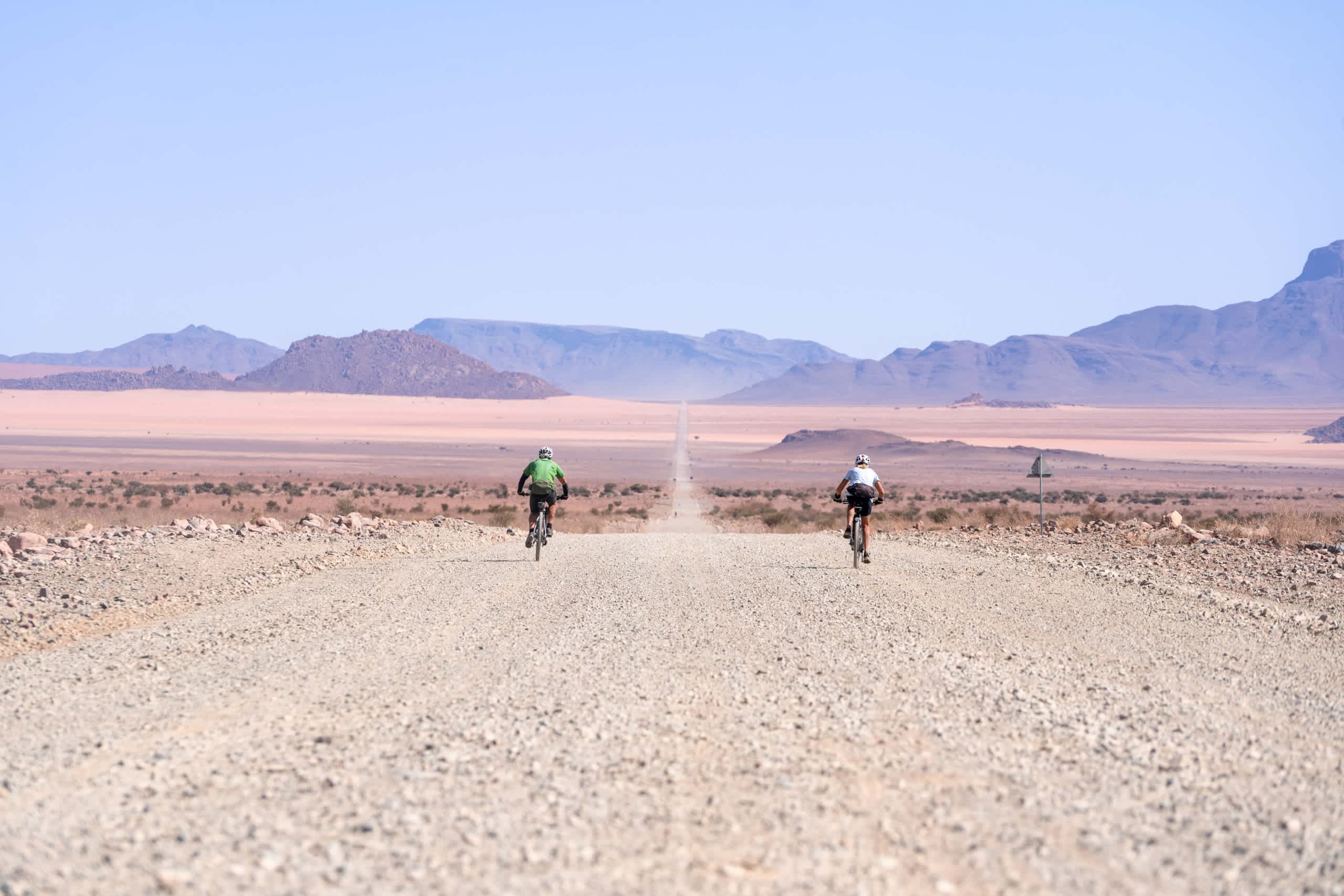
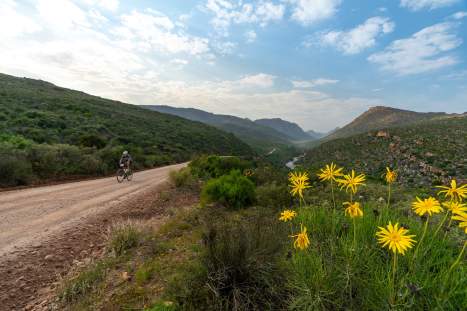
On the gravel sections, we found ourselves in the most remote areas of our African expedition. Namibia, in particular, felt like a land dominated by gravel roads. As noted on the TDA website: “This sparsely populated country is full of wide-open spaces and night skies bursting with stars as you’ve never seen before. After a stop at one of the world’s largest sand dunes at Sossusvlei, riders will continue northeast through the Namib Desert, past quiver trees and grazing impala.” Experiencing this stunning country often meant enduring some challenging road conditions. We became connoisseurs of gravel types: chunky, sandy, bumpy, washboard, smooth, and occasionally unrideable.
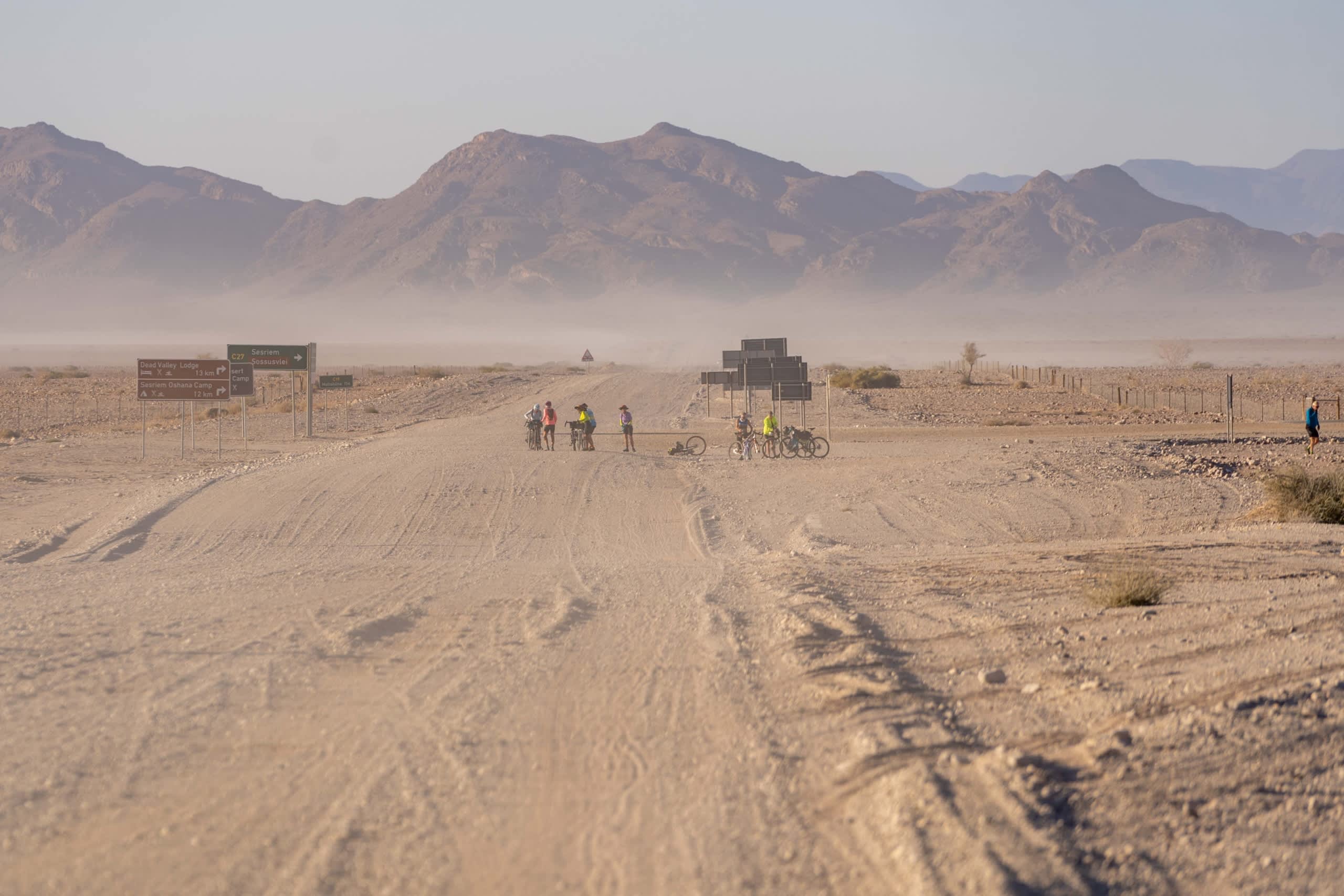
These roads slowed our pace and limited our distances, but despite the frustration, we felt fortunate to cycle through vast, isolated landscapes. With few vehicles on the road, we often enjoyed stretches where we might only see one car a day.
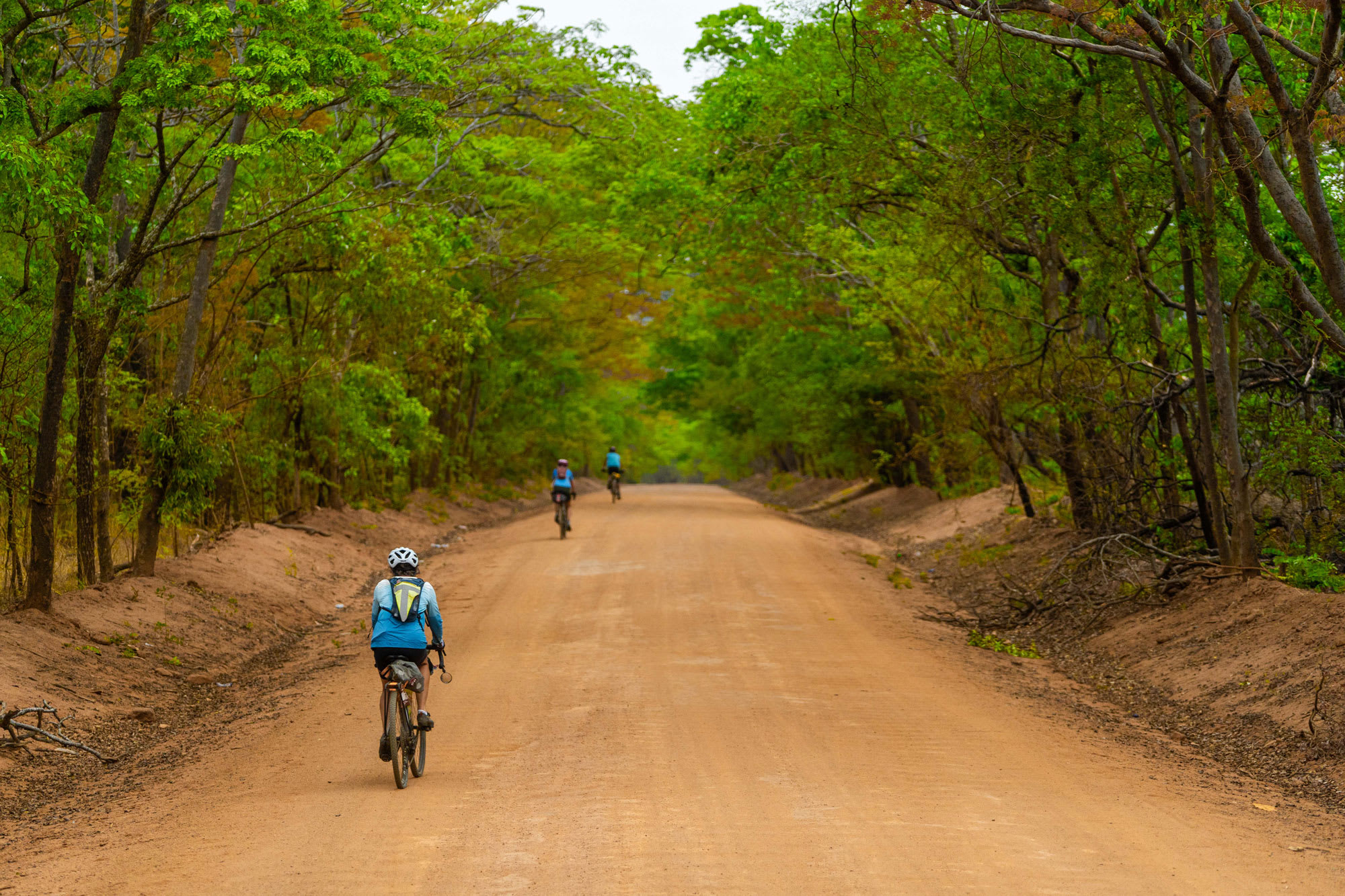
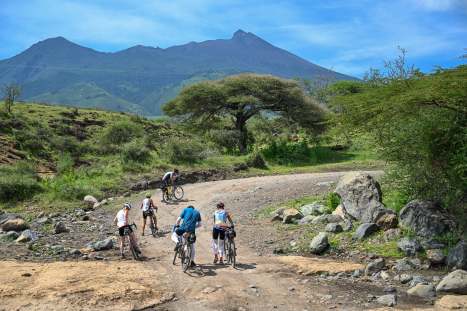
Our next encounter with gravel came in Tanzania, where we faced a five-day stretch of remote roads and bush camping. With limited resources, we camped at schools, leading to a unique experience that felt communal.
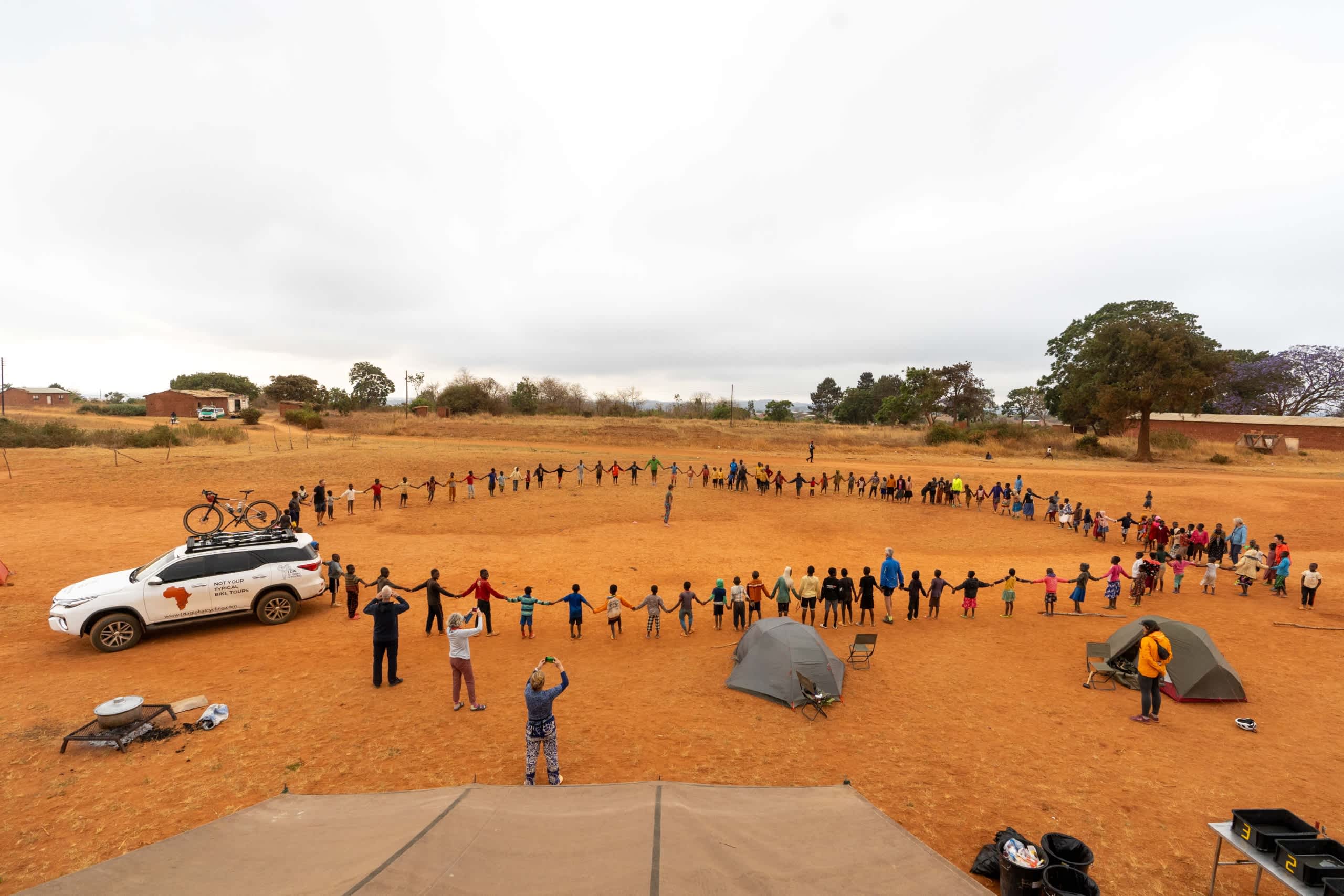
This arrangement fostered connections with locals and offered a firsthand glimpse into the culture, enriching our journey as a group. This leg of the tour was significant; we knew we were seeing parts of Tanzania and Africa that few get to experience. Even our drivers, who work in overland travel, admitted they had never taken this route!
Ultimately, the love/hate relationship with gravel and tarmac is part of the adventure. Each road type contributes to the unforgettable experience of cycling through Africa, revealing both its challenges and its breathtaking beauty. There’s something about gravel that strips away the distractions of daily life and brings a deeper connection to the world around you—both the landscape and the people. These gravel sections may have developed some bad attitudes in the moment, but at the end of the day they are the heart of our journey. It’s the kind of experience that keeps you coming back, the sort of love-hate relationship that stays with you long after the dust settles and the road ahead smooths out.
RELATED
TOUR
Leave a Comment for "Gravel vs. Tarmac: The Love/Hate Journey of Africa’s Roads"