Blog
 REGISTER NOW


The Spirits Of The Trans-Europa Cycling Tour
To many of us, one of the best rewards after a long, challenging cycling stage is a cold beer. The riders on the 2025 Trans-Europa Cycling Tour will be happy to know that their route across Europe will take them through some serious beer drinking cultures. From Estonia, where beer has been brewed for over 1000 years, to Poland, Europe’s 3rd largest beer producer, to Gibraltar, with its fine British ales, the riders will never be lacking for a brewski after their ride.
Not everyone, however, loves beer so we thought we would take a look at the options for a different post-ride beverage, something with a little more oomph! Here are our suggestions:
Estonia
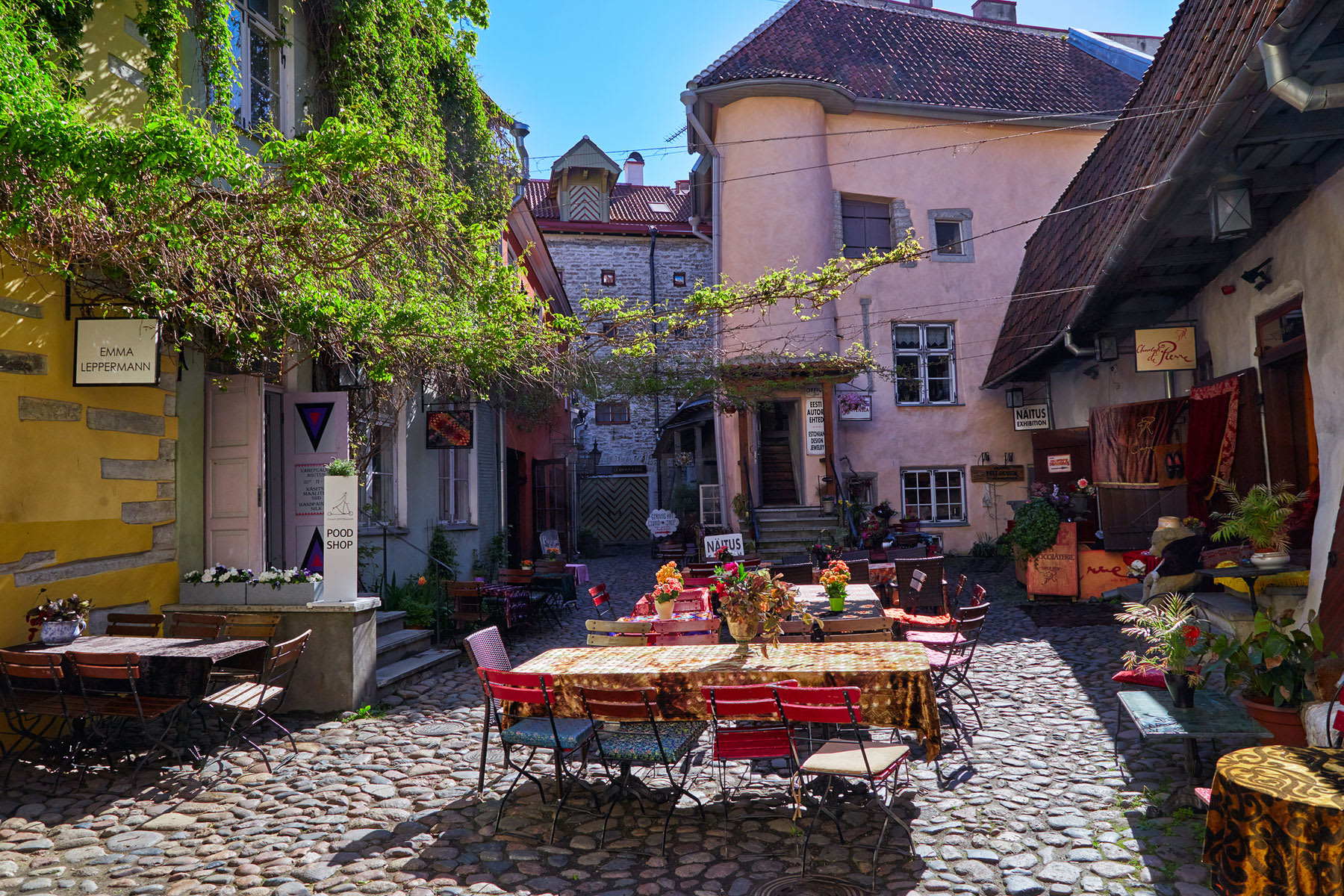
Vana Tallinn – Riders will warm up to this unique liqueur, created in 1960 by Ilse Maar, a legendary Estonian liqueur artist. It is a mix of rum, orange, lemon and aromatic spices, including cinnamon and anise. A perfect choice after a cool, rainy ride or on a sunny patio in old Tallinn. You can even visit the Liviko distillery in Tallinn for a tour!
Fun Fact – According to Food & Wine Magazine, this liqueur was used as ‘currency’ under Soviet occupation in place of the ruble. Even today in post-Soviet countries, older people know it -Vana Tallinn is a kind of currency. For a bottle of Vana Tallinn, you can still get yourself help if you have a problem.
Latvia
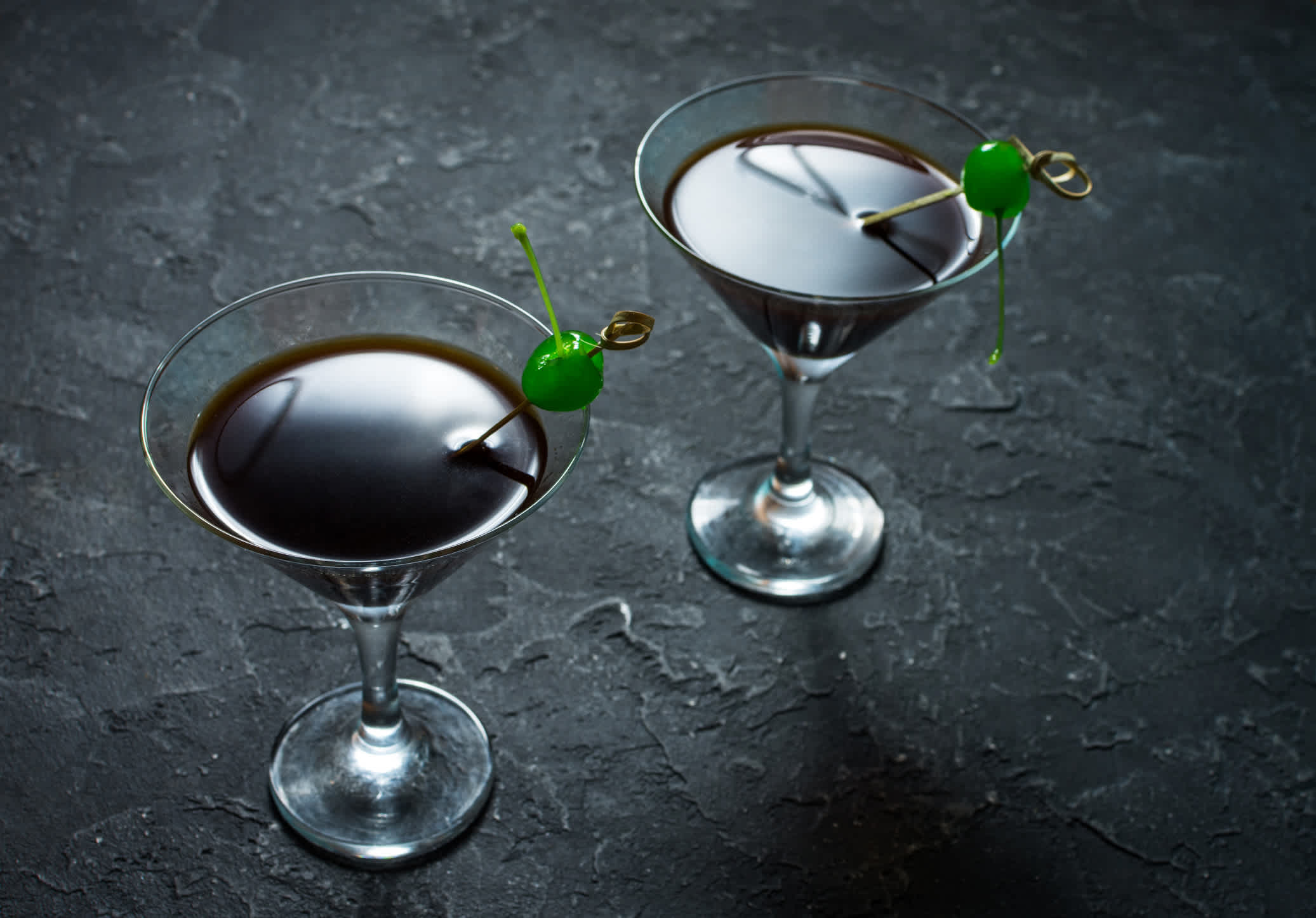
Cocktail: Black Night Dancer (Balsam & Coke)
Balsam Herbal Bitter – The first Balsams (herbal extracts) were brought to Europe by Marco Polo and slowly spread through Europe. This particular drink was created by an apothecary named Kunze in the 1700’s and used by Catherine the Great to recover from an illness as she passed through Riga on her way back to Russia. Flavors include blackcurrant, cherry and brandy.
Fun Fact – The secret recipe is only known to the Headmaster and 2 apprentices and in 1939 the recipe was temporarily lost when German population left Latvia before Soviet occupation.
Lithuania
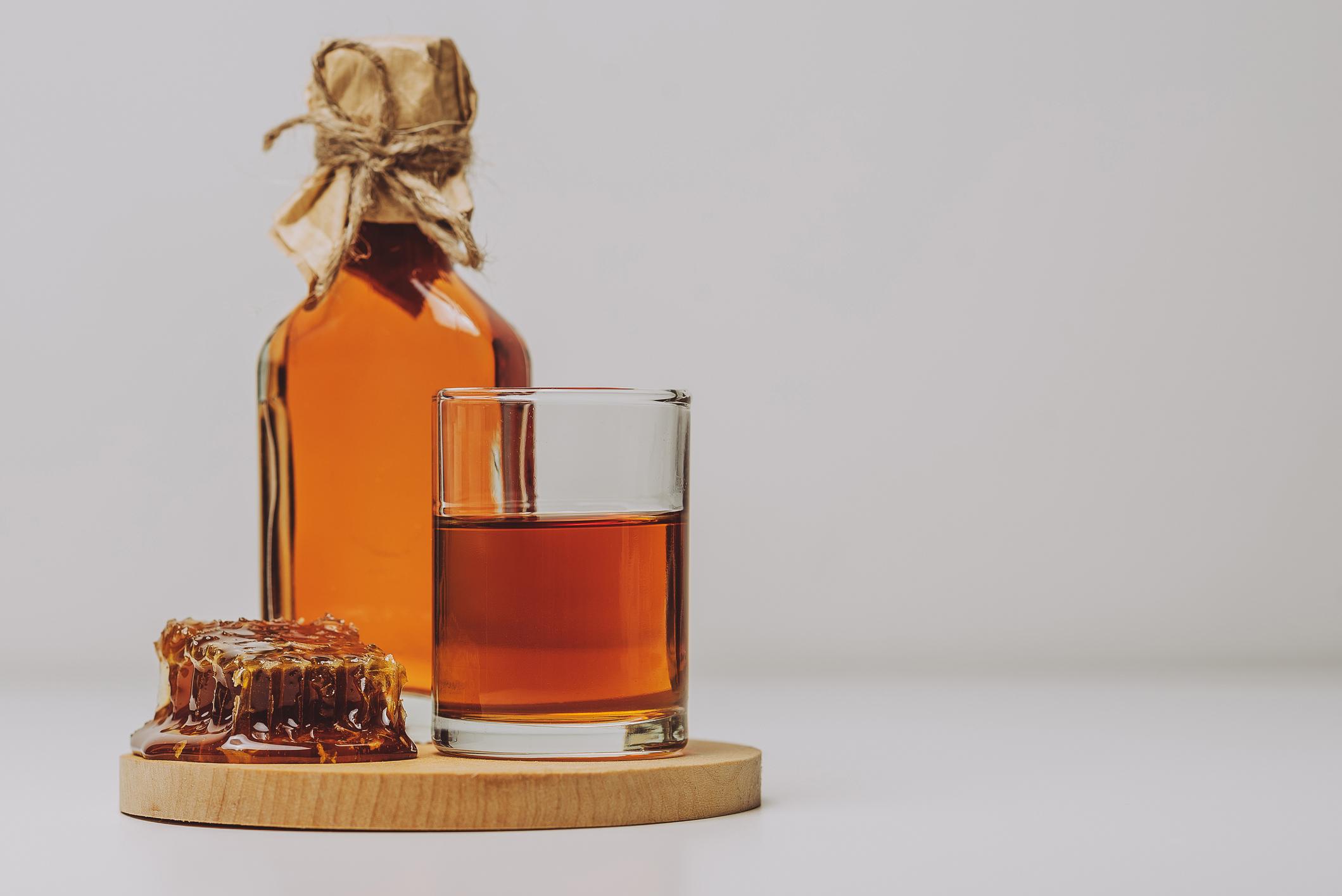
Midus (Mead) – The world’s oldest alcoholic beverage is made from grain, honey (up to 50%) and water and can be flavoured with thyme, lemon, cinnamon, cherries, linden blossoms, juniper berries and hops. Some meads should be served cold while others are best at room temperature. Riders will be happy to know that it also goes very well with sweet deserts!
Fun Fact – The ancient Lithuanian god for brewing mead was Ragutis or Rūgutis.
>>Related Post: The Beers of the Pub Ride: Little-known, Weird, Unexpected & Occasionally Appalling
Poland
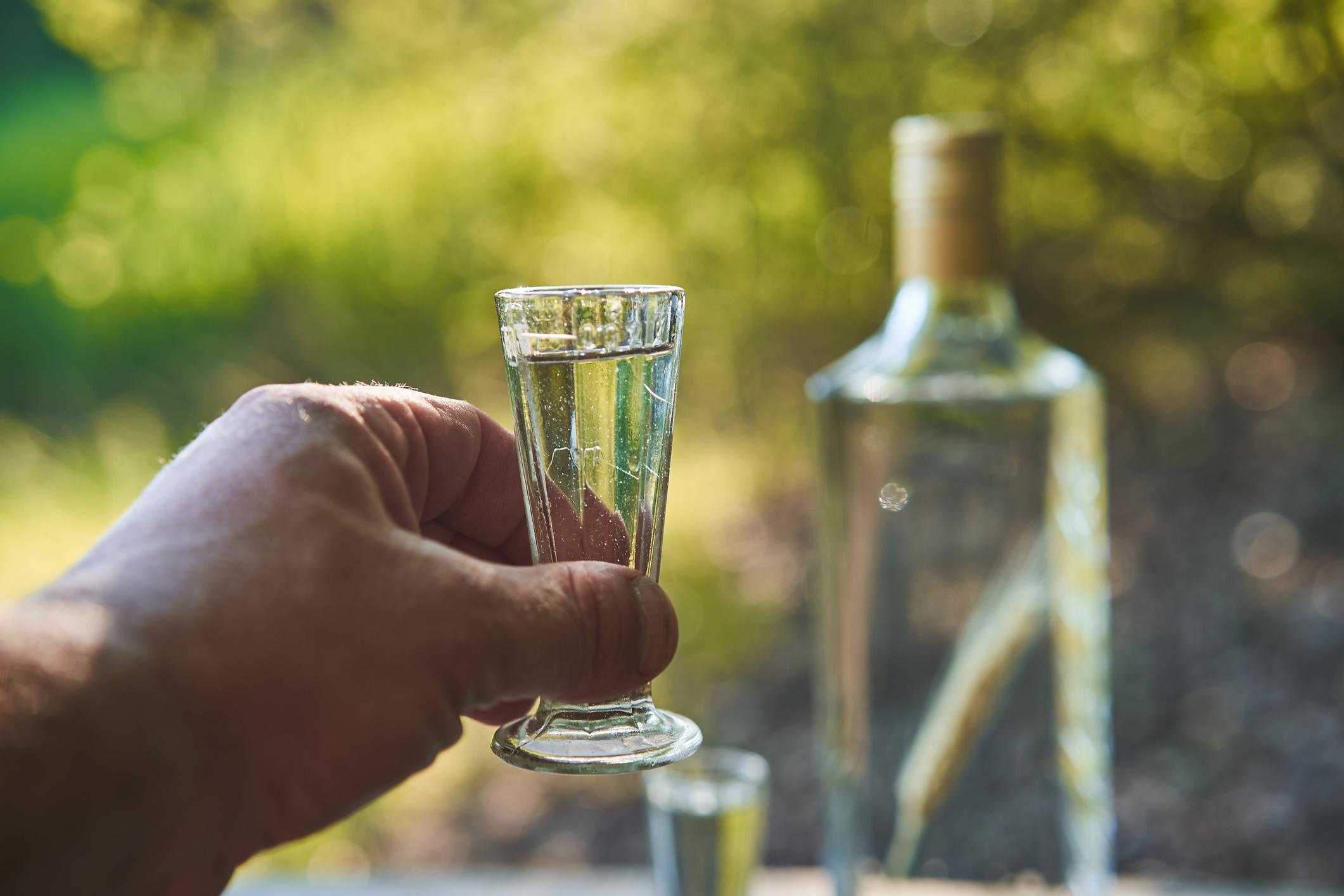
Vodka – It is rumoured that vodka originated in Poland in the 8th century but was first mentioned in the Akta Grozkie, a deed document from 1405. Try the Bison grass version or the Goldwasser, which contains gold flakes and is produced in Gdańsk. Człowiek nie wielbłąd, pić musi! (Man is not a camel, he must drink!)
Fun fact – At a Polish wedding, the bride and groom are presented with 2 shot glasses. One has vodka, the other water. The bride chooses first and then whoever drinks the glass with vodka will be the leader in the marriage.
Slovakia
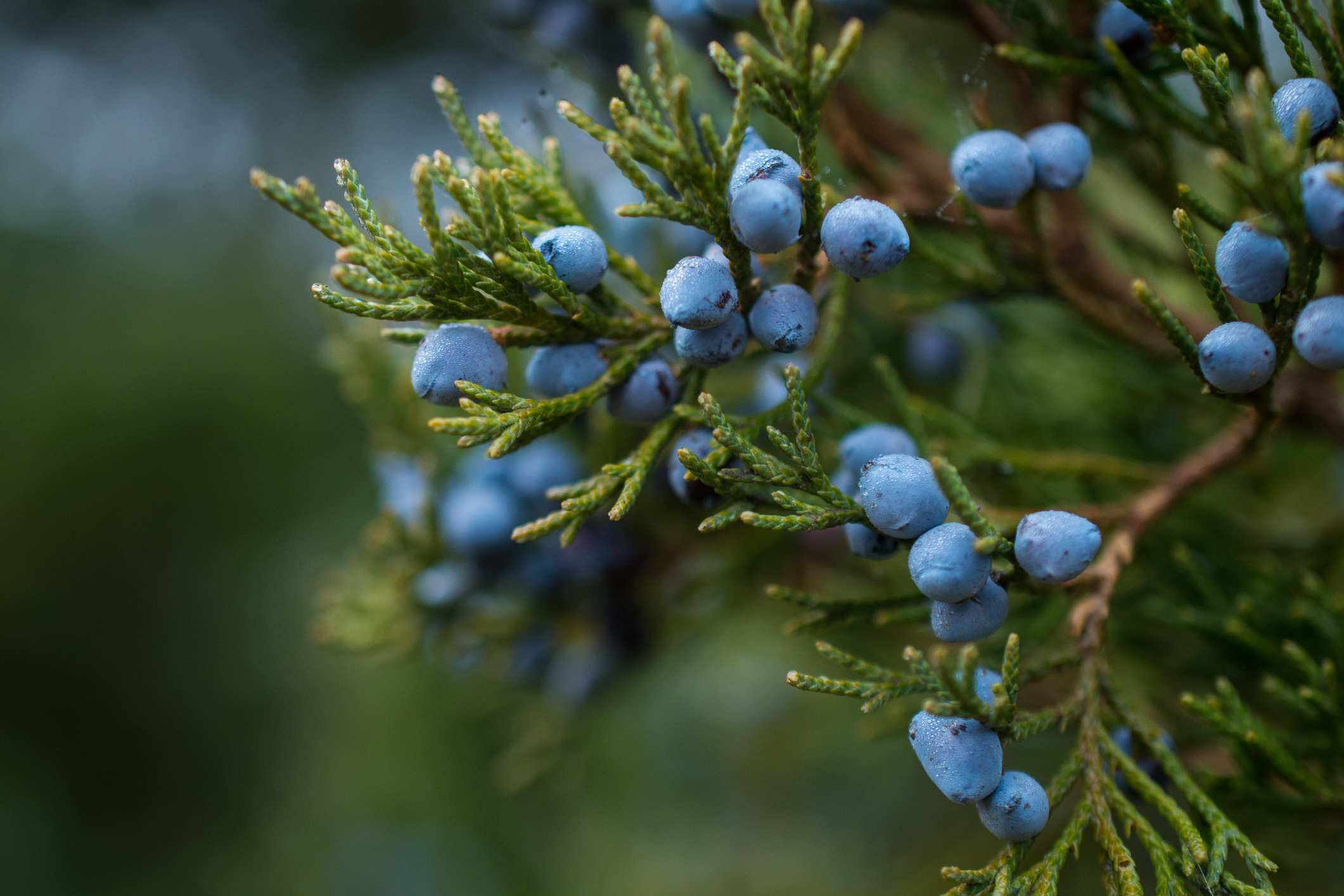
Juniper berries
Borovička – This is made from ripe juniper fruits (black but not red) and dates from the 15th century. It is similar to gin but much stronger tasting. During the Hapsburg monarchy it was exported on rafts down the Vah River to the Danube and on to the cities of Budapest and Vienna.
Fun Fact – Because of its distinctive juniper flavour, a night of too much Borovička can be referred to as “revenge from the forest.”
Hungary
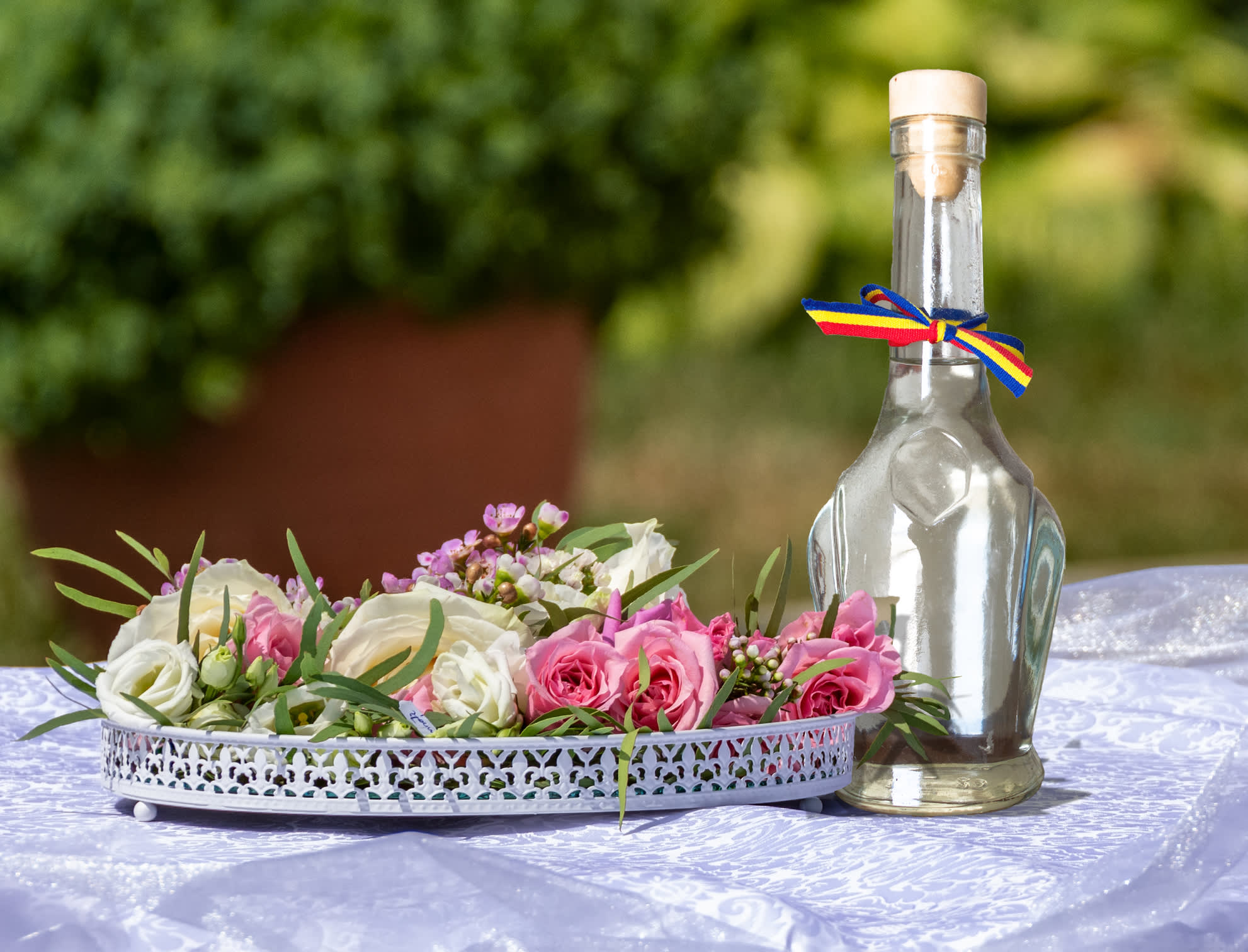
Pálinka – This spirit originated in medieval Hungary and is traditionally made from mashed fruit like apricots, pears, and plums, sour cherries, apples, mulberries, and quince. There are very strict regulations regarding its authenticity, commonly referred to as the ‘pálinka law.’ Its alcoholic content can be up to a very strong 55% which I personally discovered, much to my regret the next day, on the 2023 Trans-Europa.
Fun fact – Budapest has a Pálinka Museum where you can learn all about this local spirit.
>>Related Post: Elephant’s, Tigers & Sheep’s Piss: A Cyclist’s Guide To The Beers Of South East Asia
Slovenia
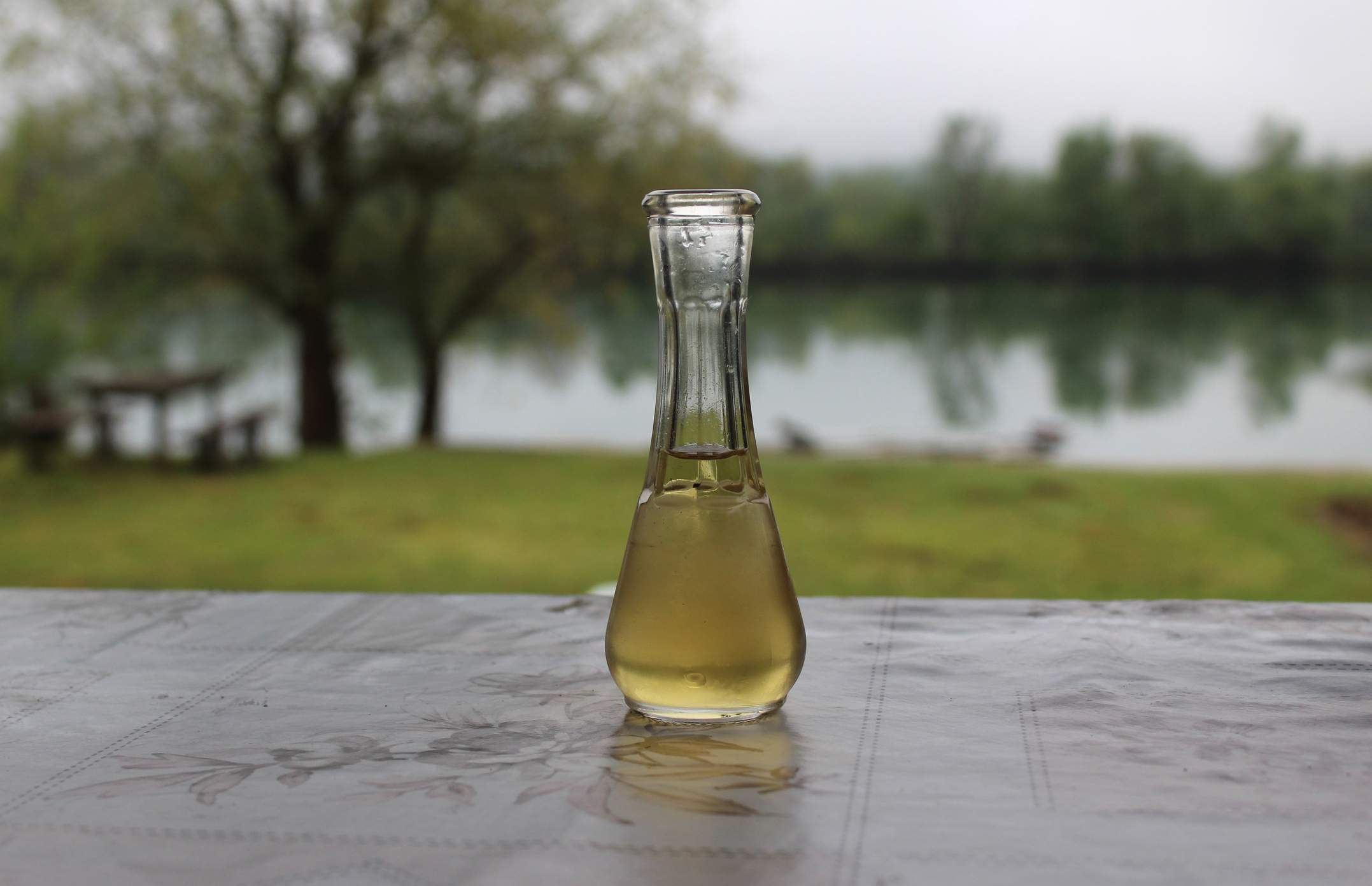
Schnapps – Known as ‘Zganje’ in Slovenian, there are a number of versions like peach, lemon and blueberry but the local favourite is viljamoka, flavoured with the Williams pear. While you can get mass-produced bottles in the supermarkets, local bars pride themselves on stocking a variety of schnapps made nearby, likely in someone’s garage.
Fun Fact – Annual homemade schnapps competitions can involve tasting 25 entries or more! 😯
Italy
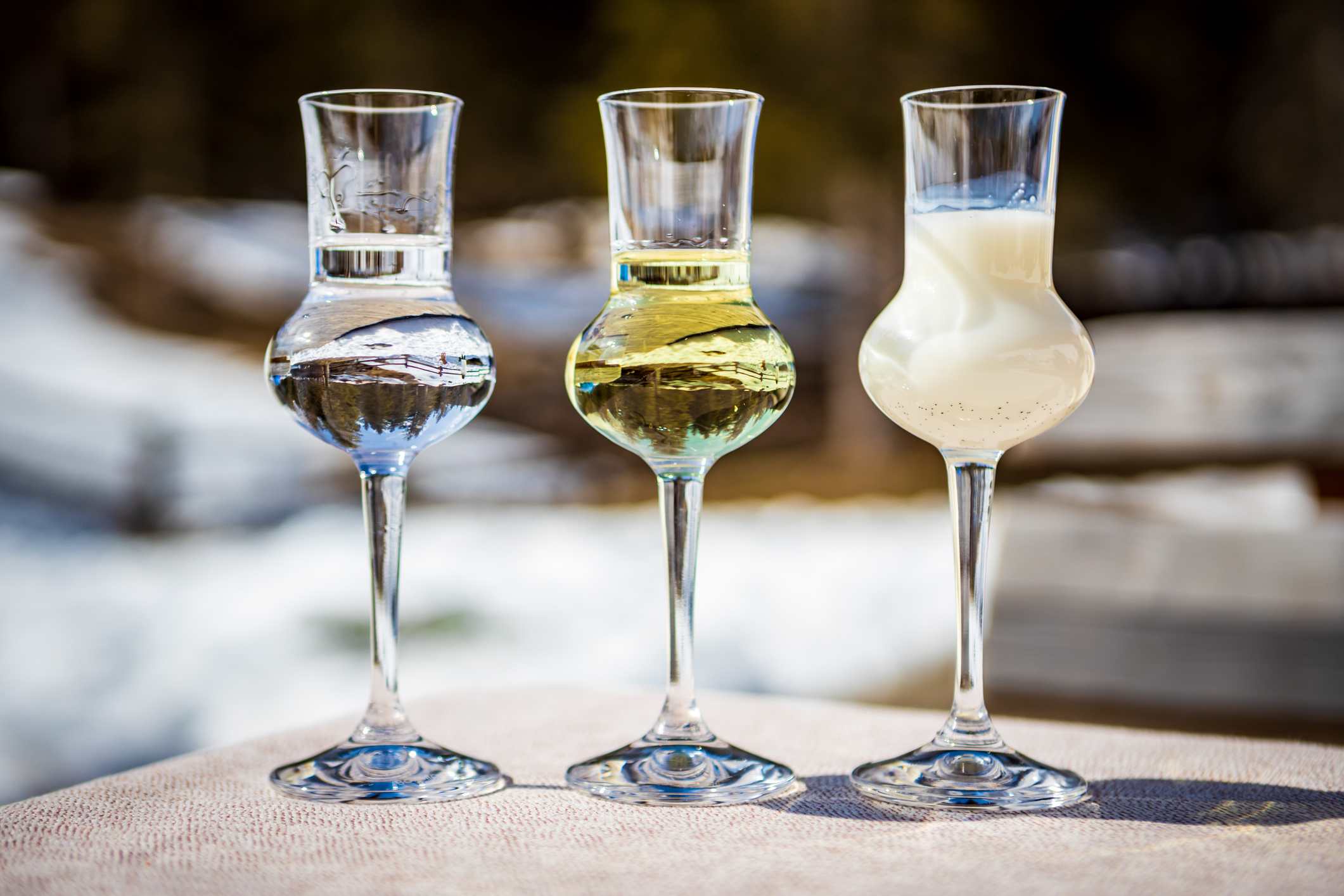
Grappa – We all know how great Italian wine is but you should definitely try this local brandy, made from the skins, pulp, seeds and stems left over after pressing the grapes used to make wine. It is best enjoyed in stemmed nosing glasses and slightly chilled as a digestif after a meal.
Fun fact – Some critics consider grappa to be nothing more than a fancy version of moonshine.
France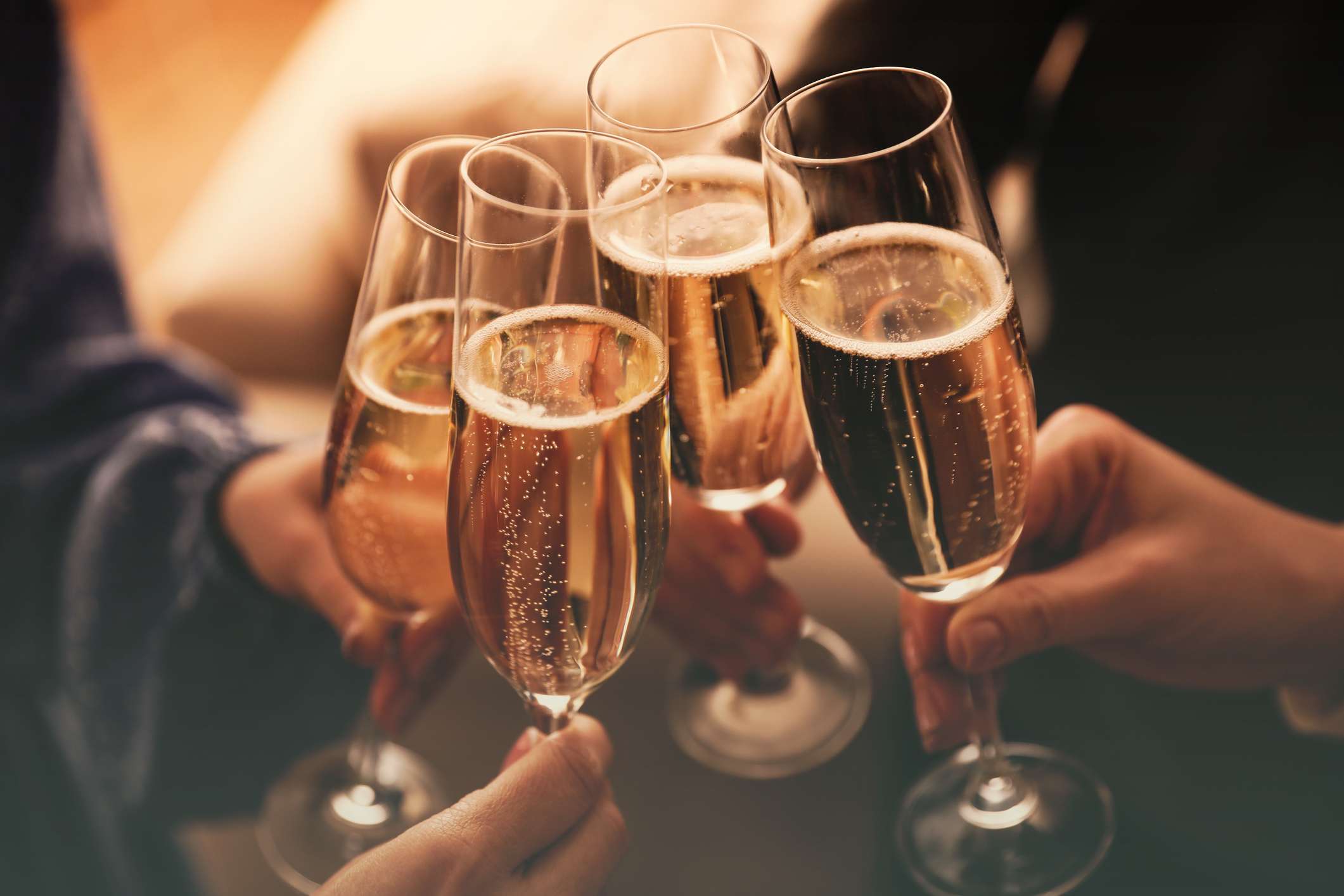
Champagne – When you want to celebrate something, you immediately think of champagne, so when the Trans-Europa riders arrive in France, they can bring out the flutes and raise a toast to their achievement. Started from vineyards planted by the Romans in the 5th century, it began as a still wine, the sparkling bubbles being added almost by mistake by the early winemakers including the Benedictine monk, Dom Pérignon.
Fun fact – After the October Revolution in Russia in 1917, champagne was prohibited and a class system of alcoholic beverages was introduced…hello, vodka!
>>Related Post: The Beers Of Africa
Spain
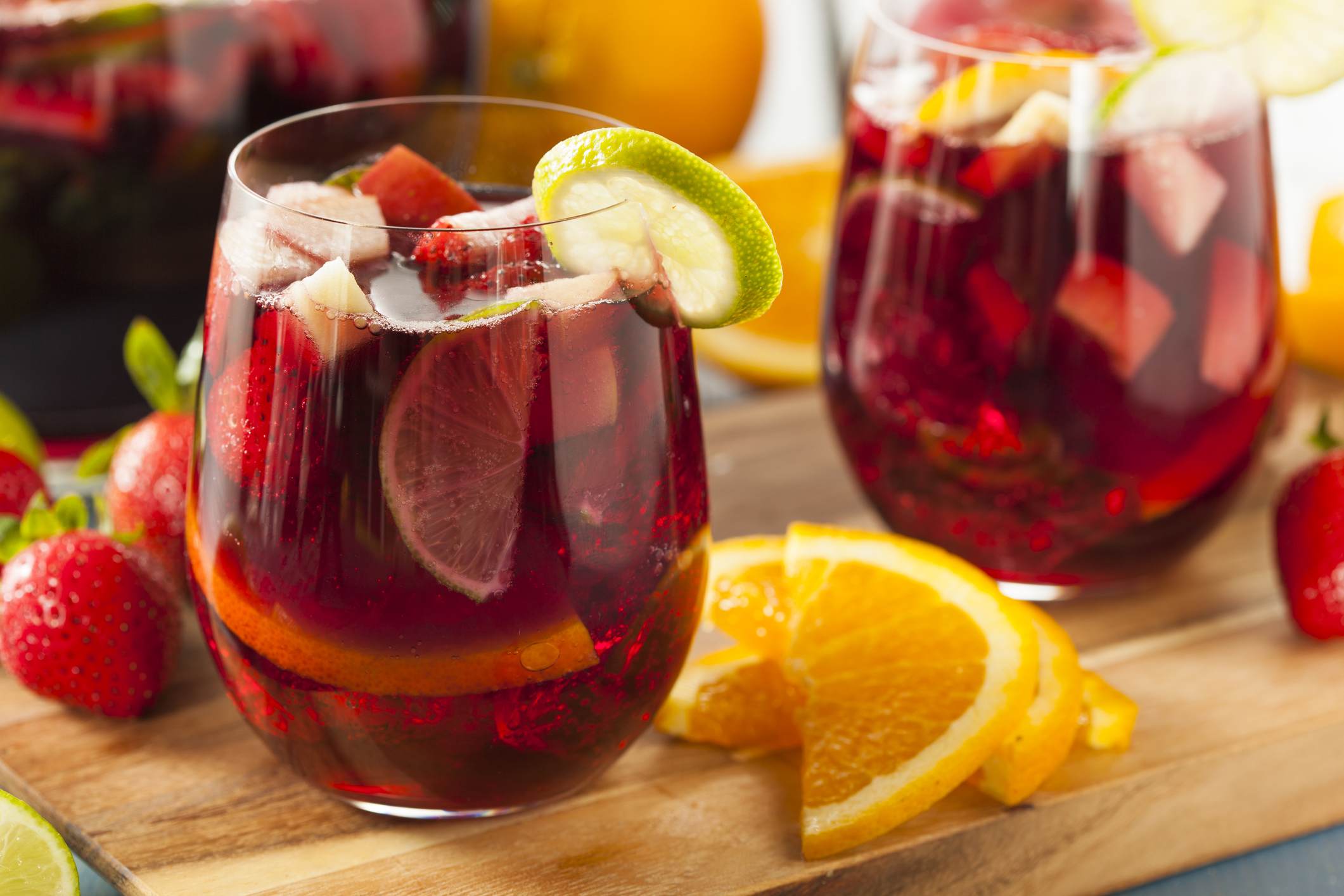
Sangria – This drink doesn’t have the same long history as say, vodka or mead, having just emerged in the late 18th century in the Andalusia region of Spain. It usually consists of a mixture of red wine, various chopped fruits and a splash brandy or triple sec and its popularity really took off after it was served at the Spanish pavilion at the 1964 World’s Fair in New York City.
Fun fact – Sangria is believed to have derived its name from the Spanish word for blood – sangre.
Gibraltar
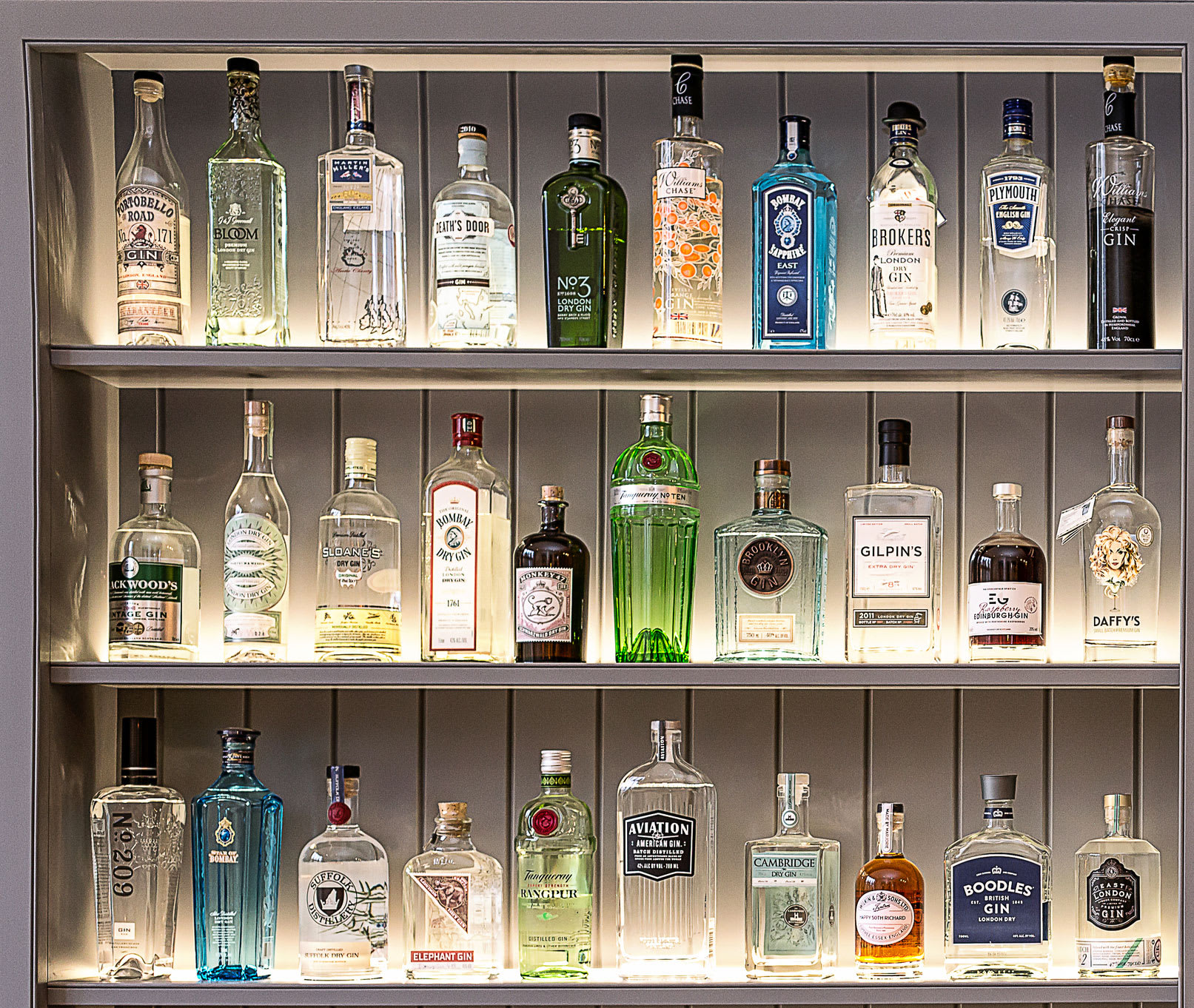
Gin – No alcoholic beverage is more representative of Britain and its overseas territories than gin. From the ‘Gin Craze’ in the early 18th century in London where it was called ‘Mother’s ruin’ to the ubiquitous gin and tonics used in its tropical colonies to ward off malaria, gin is simply interwoven into British history.
Fun fact – Gibraltar is home to its very own craft gin distillery – The Gibraltar Distillery Company.
RELATED
TOUR
1 Comment for "The Spirits Of The Trans-Europa Cycling Tour"
Thanks for the insights and fascinating facts about the traditional spirits of Europe!